News Summary
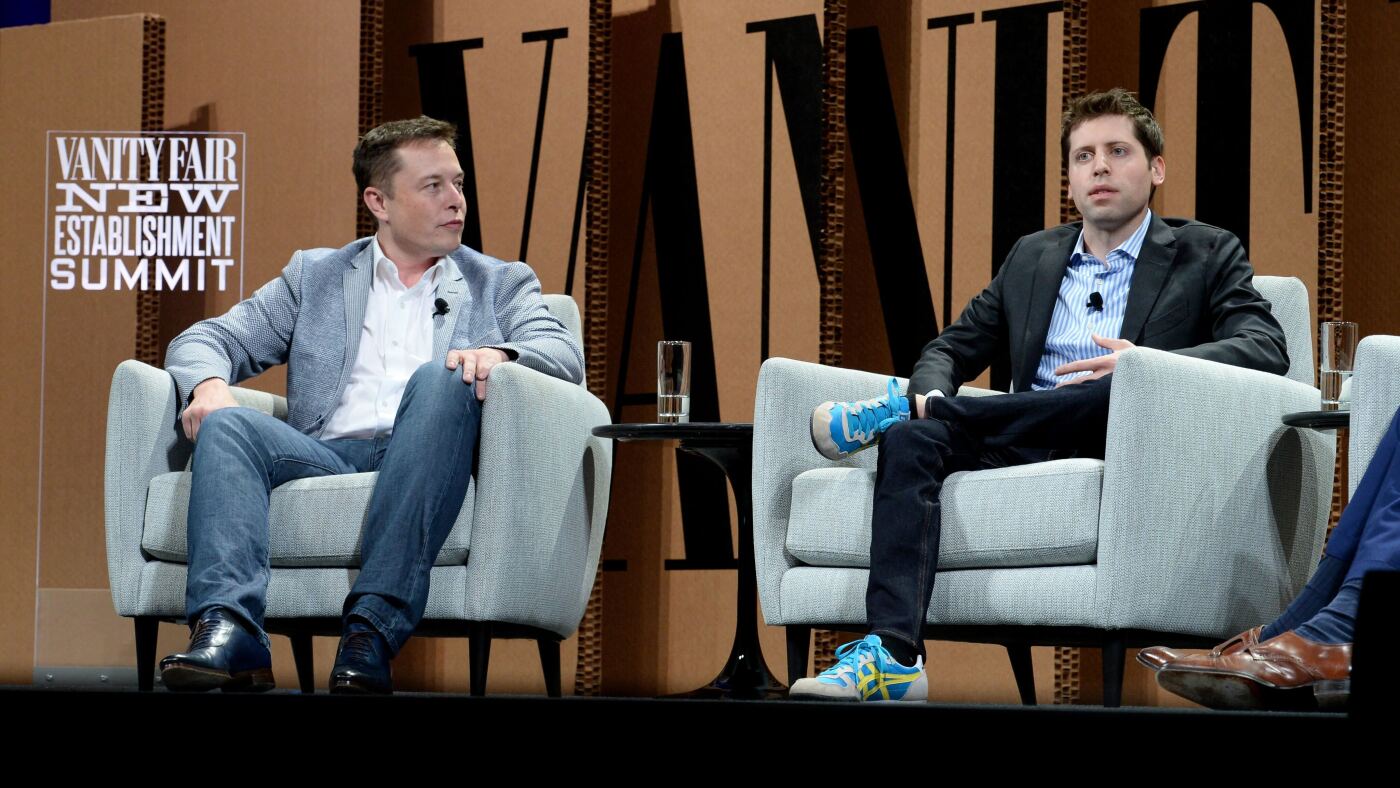
Elon Musk has filed a lawsuit against Sam Altman and OpenAI, claiming that OpenAI’s 2019 transition from a nonprofit to a for-profit subsidiary was unlawful and that Altman and others improperly profited from the conversion. Musk, an early donor who left OpenAI’s board in 2018, seeks remedies including disgorgement of billions in equity and profits to the nonprofit, unwinding the for-profit conversion, and removal of Altman from leadership and board roles. OpenAI says founders discussed and agreed that a for-profit structure was necessary to raise the capital and computing resources to build advanced AI. The company reports large user numbers for ChatGPT, a valuation in the hundreds of billions, a recent $122 billion funding round, and potential plans for an IPO. The trial begins with jury selection Monday in U.S. District Court for the Northern District of California in Oakland before Judge Yvonne Gonzalez Rogers; opening arguments are expected to begin Tuesday, and both Musk and Altman are expected to testify. Coverage of the case highlights both legal questions about corporate conversions and the broader implications for the AI industry.
Biblical Reflection
From a Christian perspective, this dispute raises several intersecting concerns: the pursuit of innovation and resources for potentially beneficial technologies, the moral obligations of stewardship and truth among founders and leaders, and the societal risks that concentrated corporate power can pose when accountability and transparency are weak. The article frames the case largely as a clash of personalities and high stakes for the AI race, using dramatic language and pundit commentary that emphasize valuation metrics and motive speculation. That framing can obscure the core questions of justice, fiduciary duty, and the public good—questions Scripture treats seriously. Christians should note two tensions: (1) legitimate need for funding and organization to develop complex technologies versus the danger of making profit or power the overriding ends, and (2) the human tendency toward pride and self-justification in high-profile conflicts. The reporting leans into market-focused metrics (valuations, user counts, IPO prospects) and personality-driven quotes, which may bias readers toward seeing the dispute primarily as business drama rather than as a matter of ethical stewardship and lawful governance. A biblically informed response calls for careful attention to truth, fairness, and humility—asking whether corporate structures and leaders honor their charitable commitments, protect the vulnerable, and operate transparently. It also invites prudence about idolizing technological success or charismatic leaders, and concern for how legal outcomes will affect public access, safety, and accountability around powerful technologies.
Scripture in context
This outlook does not yet include contextual Scripture citations. Do not treat a general biblical theme as an exegetical conclusion.
Faithful Response
No prescribed response is offered. Consider the reflection prompts below in your own church context.
Reflection and Discussion
- 1Whose interests does the article mainly foreground—shareholders, founders, users, or the public—and how does that shape our understanding of what justice requires in this dispute?
- 2How does the media’s emphasis on personality, valuation, and market outcomes distract from or illuminate the deeper ethical issues of stewardship, fiduciary duty, and long-term public safety around powerful technologies?
- 3Are we tempted to treat technological success or influential leaders as ultimate goods, and how should a gospel-centered view recalibrate our assessment of innovation, power, and accountability?
Sources
Reporting links are evidence inputs; Sanctuary News' biblical reflection is commentary.
This outlook currently relies on fewer than two linked sources. Broaden verification before teaching from it.
- 1.Original reportprimary