News Summary
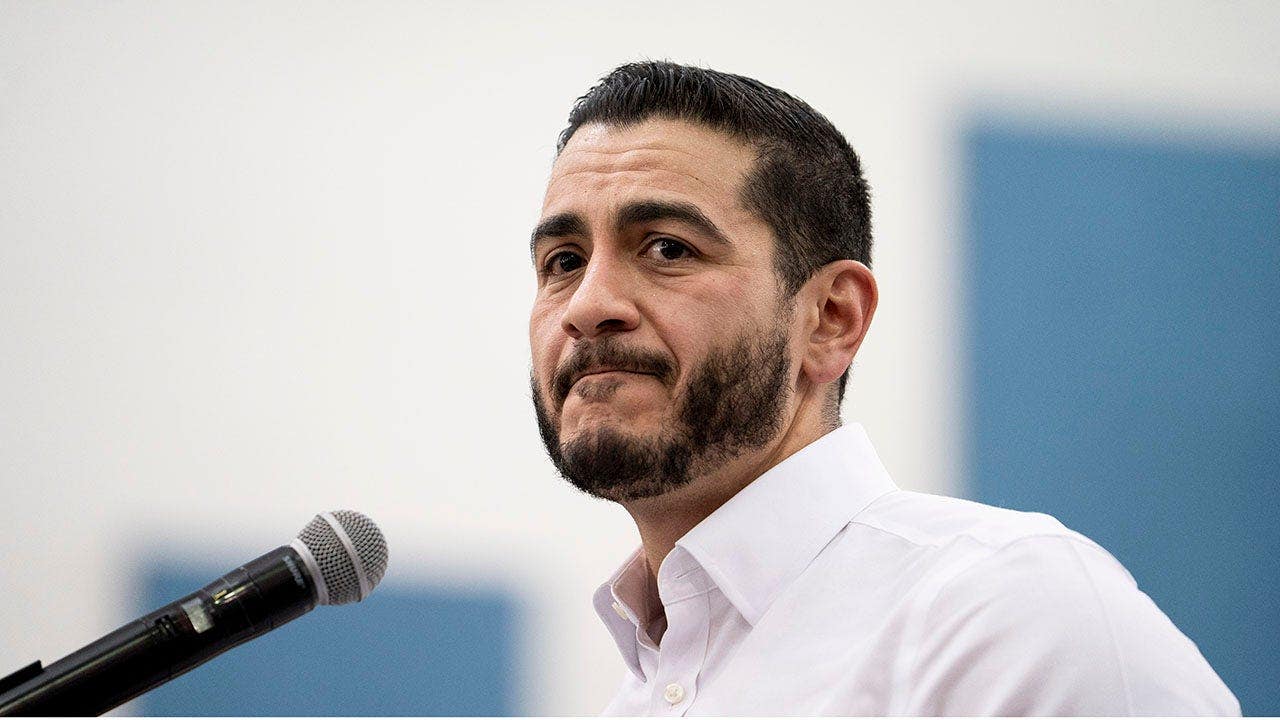
Fox News reports that previously published video and interviews from 2020 show Abdul El‑Sayed questioning police funding and the use of guns by police, asking "Do police really need to use guns?" and arguing that policing and use of force are facets of systemic racism and public health. The article notes El‑Sayed has denied calling to "defund the police" during his 2026 Senate campaign and has said he deleted old tweets on the subject. It cites a 2020 Detroit Public Radio interview in which El‑Sayed described the movement’s goals as disinvesting from systems that incarcerate and kill and investing in education, livelihoods, and anti‑poverty measures; he also described proposals to restrict militarized equipment purchases. His campaign spokesperson says his views have become more nuanced after working with law enforcement and lists current policy positions such as improving recruitment and retention, rejecting militarized policing, supporting the George Floyd Justice in Policing Act, and expanding community violence intervention and behavioral-health responses. The piece situates El‑Sayed as a front‑runner in the Michigan Democratic primary against Rep. Haley Stevens for the seat of retiring Sen. Gary Peters and notes endorsements from progressive leaders.
Biblical Reflection
From a Christian perspective, this article raises two important concerns: truthfulness and the common good. The factual claims—that El‑Sayed made past statements questioning police roles and funding and that he now distances himself from the "defund" label—appear grounded in archived video and interviews, but the piece is framed to highlight contradiction and political vulnerability. Christians should be attentive to both the content and the framing: is the coverage giving full context about policy proposals and the candidate’s current, concrete plans, or is it prioritizing soundbites to influence voters? The underlying worldview in the footage is public‑health and social‑justice oriented: it treats policing, poverty, and structural racism as interrelated problems requiring reallocation of public resources. That perspective prioritizes prevention and community investment over punitive responses. Christians must weigh such proposals by two questions—do they protect the vulnerable and do they promote human flourishing? We should resist cynical dismissal of sincere growth but also insist on accountability: changed words must be accompanied by clear, actionable policies that protect neighbors from violence while addressing root causes of crime. Finally, the article’s partisan tone cautions believers to seek primary sources, assess motives, and hold all leaders to the standards of honesty, prudence, and love for neighbor.
Scripture in context
This outlook does not yet include contextual Scripture citations. Do not treat a general biblical theme as an exegetical conclusion.
Faithful Response
No prescribed response is offered. Consider the reflection prompts below in your own church context.
Reflection and Discussion
- 1Does the reporting focus on past rhetoric or on the candidate’s current, specific policy proposals and how they would be implemented?
- 2Are archived comments presented in full context, and does deleting past posts indicate dishonesty or a changed understanding that should be evaluated by concrete actions?
- 3How should Christians weigh policies that reallocate public resources toward prevention and health against the need to maintain public safety for vulnerable neighbors?
Sources
Reporting links are evidence inputs; Sanctuary News' biblical reflection is commentary.
This outlook currently relies on fewer than two linked sources. Broaden verification before teaching from it.
- 1.Original reportprimary