News Summary
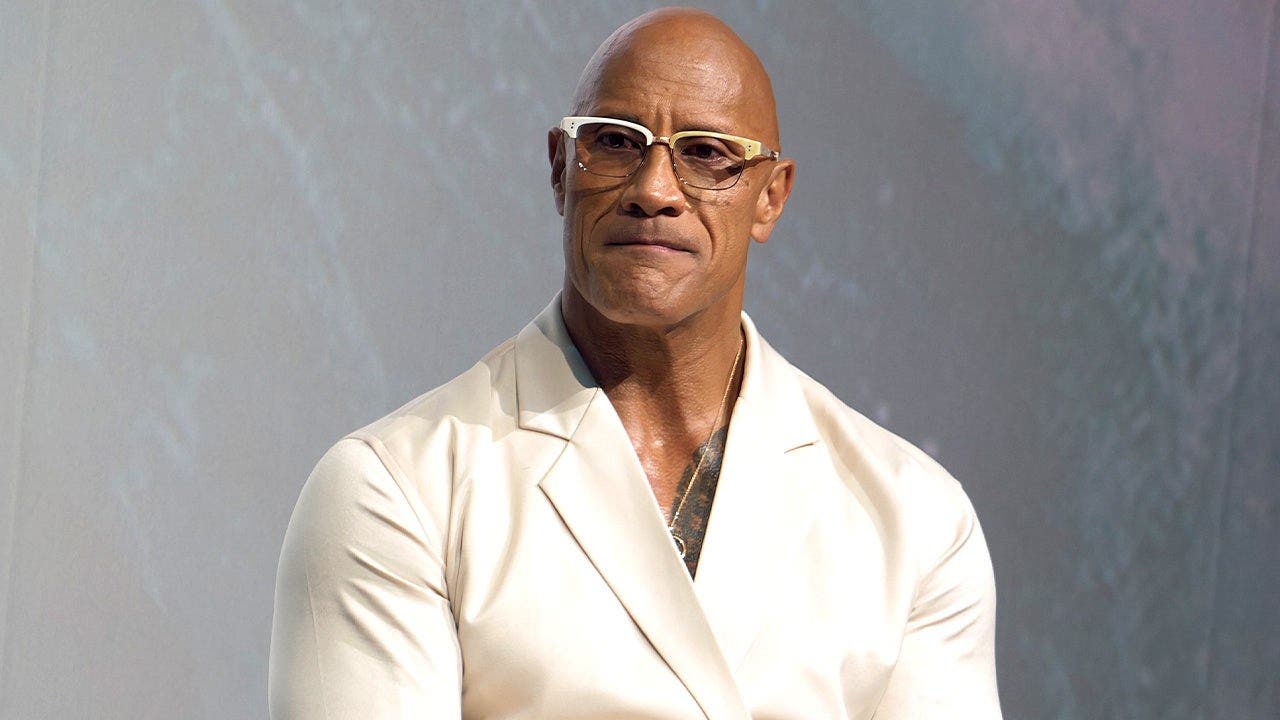
In a June 2026 Esquire interview, actor Dwayne "The Rock" Johnson said he will generally keep his personal politics private, explaining he wants to focus on creating art and avoid the division his past public comments caused. Johnson noted he may speak out in some future moments but intends to keep politics between himself and the ballot box. The comments prompted public criticism from some Hollywood figures — including George Takei, who wrote "Silence is complicity," and Wil Wheaton, who called Johnson a "coward" in a post later deleted — and defenses from others online such as comedian Matt Rife. The article notes Johnson previously endorsed Joe Biden in 2020 and in 2024 declined to endorse a candidate, citing the divisiveness his earlier endorsement produced. Fox News Digital sought comment from Johnson’s representatives but had not received a response at the time of publication.
Biblical Reflection
Johnson’s choice reflects a common tension: public figures balancing personal conscience, desire for unity, and the responsibilities of influence. Critics treat silence as a political stance; supporters treat restraint as prudence. From a Christian perspective, neither automatic condemnation of silence nor reflexive praise of public declarations is wise. Scripture models both prophetic speech that confronts injustice and prudent discretion when speech would inflame rather than heal. The article’s framing reflects a social-media-driven expectation that people with influence must constantly perform moral leadership, and it amplifies conflict by highlighting name-calling and viral reactions rather than careful reasons. Christians should evaluate claims about "complicity" or "cowardice" carefully: ask whether a public statement would advance truth and neighbor-love or simply score social points and deepen division. We should avoid idolizing celebrities as moral arbiters, resist online shaming, and practice courageous, humble witness when truth and vulnerable neighbors are at stake.
Scripture in context
This outlook does not yet include contextual Scripture citations. Do not treat a general biblical theme as an exegetical conclusion.
Faithful Response
No prescribed response is offered. Consider the reflection prompts below in your own church context.
Reflection and Discussion
- 1When does staying silent protect the common good, and when does it enable harm—how will you discern the difference?
- 2Are we expecting celebrities to carry moral work our communities and institutions should do themselves?
- 3How does online outrage shape our view of moral responsibility—are we judging actions or performing virtue for an audience?
Sources
Reporting links are evidence inputs; Sanctuary News' biblical reflection is commentary.
This outlook currently relies on fewer than two linked sources. Broaden verification before teaching from it.
- 1.Original reportprimary