News Summary
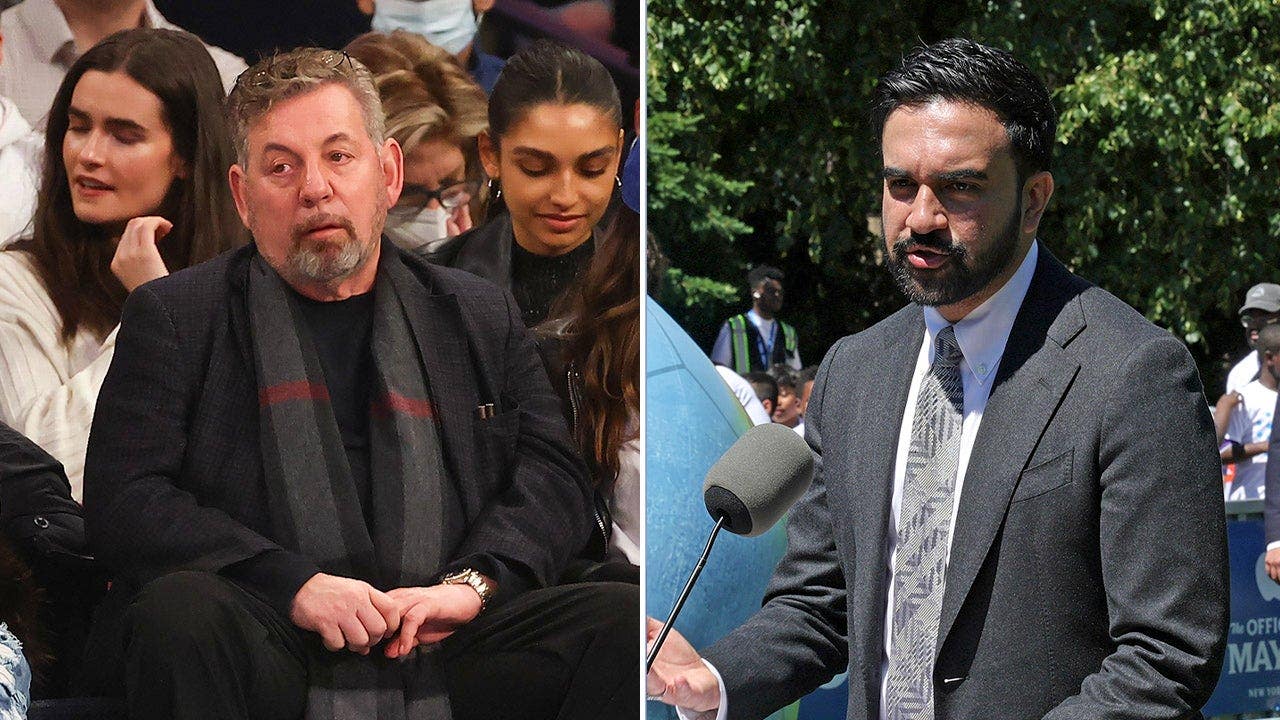
Plans for a ticketed Knicks watch party outside Madison Square Garden were canceled ahead of Game 4 of the NBA Finals. The NYPD said no watch party was allowed for Game 3 because of President Trump’s appearance; Madison Square Garden (MSG) then declined to use a permit that would have limited entry to roughly 500–1,000 ticketed people. Knicks owner James Dolan publicly criticized the mayor’s office and the police commissioner, saying officials were “trying to kill” the celebration; Mayor Zohran Mamdani responded on X saying MSG had applied for a permit for 500–999 people and that MSG chose to cancel the watch party. Video from outside MSG after a Knicks loss showed multiple fights and NYPD arrests as crowds poured into the streets; earlier unruly behavior at a city-hosted Bryant Park watch party was also noted. MSG issued a statement saying it would not accept a permit that allowed only a small, ticketed group while excluding tens of thousands of fans. Street closures were in effect on game days.
Biblical Reflection
This story sits at the intersection of civic responsibility, private enterprise, and public celebration. Objectively, the facts reported show disagreement over permits and crowd limits and confirm real public-safety incidents. The article emphasizes Dolan’s language of exclusion and celebration and reports the mayor’s rebuttal, but readers should note reliance on competing claims rather than a single documentary source; the permit itself and police crowd-safety assessments are the decisive facts, not rhetorical framing. From a Christian perspective, the episode surfaces several moral tensions: leaders and institutions must weigh joy and communal celebration against the duty to protect the vulnerable and preserve public order; prideful rhetoric that blames ‘others’ for spoiling a celebration risks deepening division rather than seeking solutions. The story also highlights how public spectacles can invite spectacle-driven behavior that endangers neighbors. Truth requires verifying administrative records and official safety assessments; mercy and humility call leaders to cooperate, communicate clearly, and prioritize peaceful, inclusive alternatives for communal joy. Christians should be wary of narratives that turn civic disagreements into tribal victories, and instead press for transparency, responsible stewardship of public space, and care for those harmed when celebrations become unsafe.
Scripture in context
This outlook does not yet include contextual Scripture citations. Do not treat a general biblical theme as an exegetical conclusion.
Faithful Response
No prescribed response is offered. Consider the reflection prompts below in your own church context.
Reflection and Discussion
- 1Whose interests are centered by the way this dispute is described — the private institution, city authorities, or the crowd — and how does that shape who looks responsible or blameworthy?
- 2Are calls to ‘celebrate’ being used to override legitimate public-safety concerns, or are safety measures being presented in a way that discourages community joy?
- 3What documents or assurances (permit terms, police crowd plans, capacity and safety assessments) would you want to see before accepting either public claim about who canceled the event?
Sources
Reporting links are evidence inputs; Sanctuary News' biblical reflection is commentary.
This outlook currently relies on fewer than two linked sources. Broaden verification before teaching from it.
- 1.Original reportprimary