News Summary
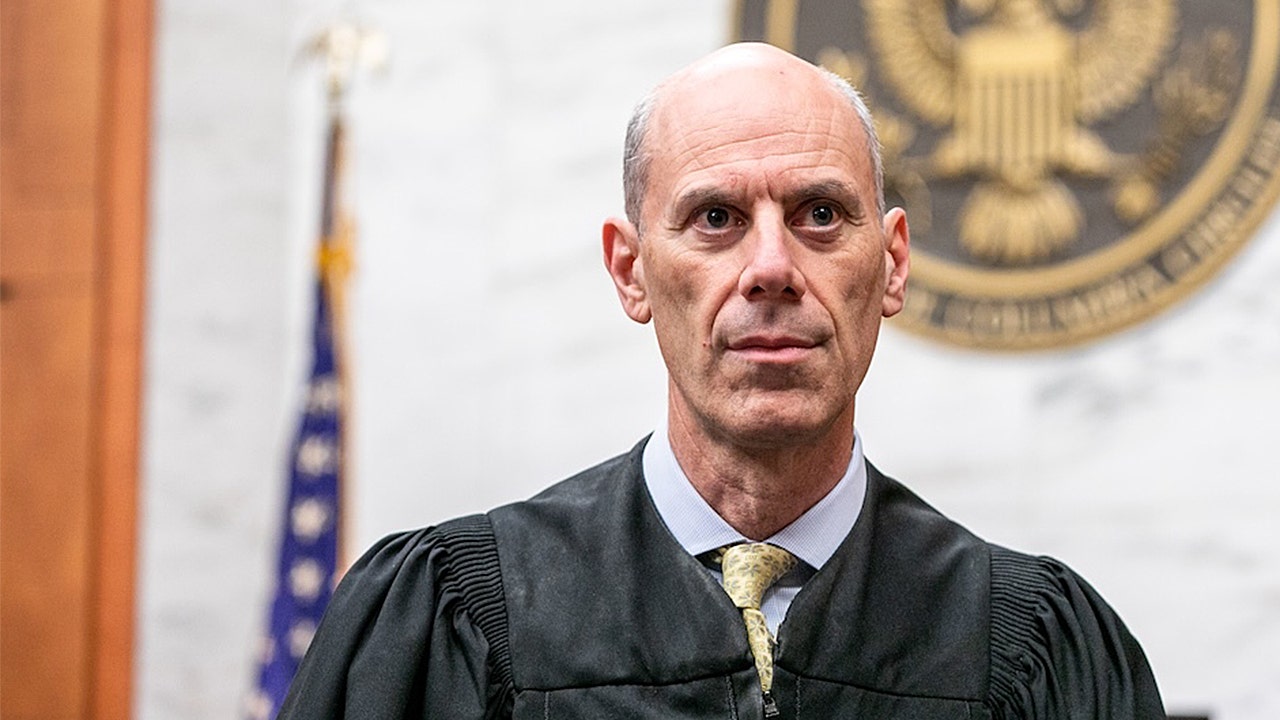
The article discusses an ongoing legal and political battle between the Trump administration and the federal courts over the deportation of 252 Venezuelan migrants. These individuals were deported to a maximum-security prison in El Salvador in 2025 under the Alien Enemies Act, despite a court order requiring due process. The Department of Justice (DOJ) has argued that it cannot or will not provide further due process to these migrants, citing national security, legal barriers, and foreign policy complications, especially given recent tensions with the Venezuelan regime. The courts, particularly Judge James Boasberg, have ordered the government to either return the migrants to the U.S. for hearings or conduct proceedings abroad. The Supreme Court has previously held that such individuals must have a chance to contest their removal. The DOJ insists that facilitating these processes is not feasible and has indicated it will appeal any unfavorable ruling, escalating the issue toward the Supreme Court. The case is significant for its constitutional, humanitarian, and foreign policy implications.
Biblical Reflection
From a biblical perspective, the story raises serious concerns about justice, compassion, and the dignity of all people. Scripture repeatedly commands God's people to treat foreigners and strangers with fairness and mercy (Leviticus 19:33-34; Matthew 25:35-40). The refusal to provide due process to vulnerable migrants—many of whom may be fleeing violence or persecution—runs counter to the biblical call for justice (Micah 6:8) and the protection of the marginalized. While governments have legitimate responsibilities for national security and order, these should never override the fundamental rights and inherent worth of every person. The lack of due process, especially for those accused but not proven to be threats, risks violating the principle of loving one's neighbor and upholding justice. Christians are called to advocate for systems that reflect both truth and mercy, ensuring that the vulnerable are not sacrificed for political expediency. This situation invites prayerful reflection on how nations balance security with compassion and how believers can be a voice for justice and dignity in public life.
Scripture in context
This outlook does not yet include contextual Scripture citations. Do not treat a general biblical theme as an exegetical conclusion.
Faithful Response
No prescribed response is offered. Consider the reflection prompts below in your own church context.
Reflection and Discussion
- 1How do my views on immigration and national security align with the biblical call to do justice and love kindness?
- 2What role should due process and fair treatment have in a society that seeks to reflect God’s heart for the stranger and the vulnerable?
- 3How can I advocate for both security and compassion in my community and nation?
Sources
Reporting links are evidence inputs; Sanctuary News' biblical reflection is commentary.
This outlook currently relies on fewer than two linked sources. Broaden verification before teaching from it.
- 1.Original reportprimary