News Summary
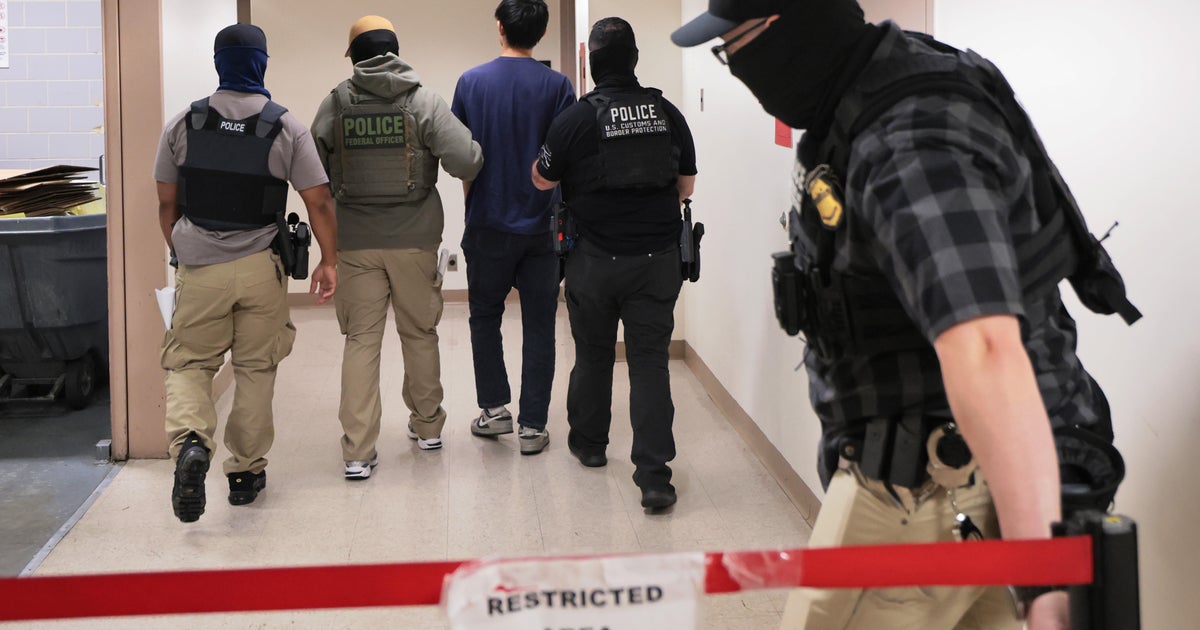
The Department of Justice informed U.S. District Judge Kevin Castel in New York that it had mistakenly cited a May 2025 ICE memo when defending the practice of making arrests inside federal immigration courts. DOJ attorneys described the citation as a "material mistaken statement of fact" caused by an agency attorney's error. The letter, submitted Tuesday, said the ICE guidance applies to most courthouses but not to federal immigration courts, where ICE agents have been observed making arrests at or immediately following immigration hearings. Advocacy groups had sued to stop these courthouse arrests; in September Judge Castel largely denied their request for preliminary relief, in part relying on the government's earlier representation about the memo. DOJ said the error does not change its other legal arguments defending the arrests. The Department of Homeland Security stated there is no change in policy and that ICE will continue arrests at immigration courts. Judge Castel ordered preservation of all records related to the case and the May 2025 memo. The New York Civil Liberties Union, which brought the suit, warned the admission has broad consequences because arrests have resulted in detention and expedited removal, often far from court locations. The article notes arrests by plainclothes agents at immigration hearings have been used since the start of the Trump administration, and provides context about the structure of immigration courts (EOIR under DOJ) and recent personnel changes among immigration judges.
Biblical Reflection
From a Christian perspective, this story highlights key concerns about truthfulness, fairness, and the stewardship of public authority. The government's admission of an erroneous factual claim is a corrective step toward transparency and accountability; however, the underlying practice—arresting people at immigration hearings—raises deeper questions about due process, the treatment of vulnerable people, and the integrity of legal institutions. Christians should be attentive to both law and mercy: lawful enforcement of immigration rules is not inherently unbiblical, but the manner in which power is exercised matters. Arrests conducted in courthouse hallways, especially when they appear coordinated to detain individuals immediately after they seek judicial relief, can undermine public trust in the justice system and risk punishing those attempting to comply with legal processes. Media coverage and legal advocacy will naturally reflect differing worldviews—some emphasize enforcement and order, others emphasize procedural fairness and protection of the vulnerable. Discernment requires separating the verified facts (DOJ's concession, ongoing policy statements, court orders to preserve records) from advocacy-driven framing and from assumptions about motives. Biblically, Christians are called to seek justice, protect the vulnerable, and insist on honest speech and accountability from leaders (Micah 6:8; Proverbs 12:22). Pray for systems that both uphold the rule of law and treat persons with dignity, and be cautious about endorsing policies or rhetoric that sacrifice due process or truth for expediency or political aims.
Scripture in context
This outlook does not yet include contextual Scripture citations. Do not treat a general biblical theme as an exegetical conclusion.
Faithful Response
No prescribed response is offered. Consider the reflection prompts below in your own church context.
Reflection and Discussion
- 1How does the government's admission of a factual error change your assessment of the reliability of official legal arguments, and what safeguards should Christians expect from public institutions that exercise coercive power?
- 2In what ways might arresting people at courthouses affect public confidence in the justice system—and how should Christians weigh the competing biblical calls for justice (lawfulness) and mercy (compassion for the vulnerable)?
- 3What biases are visible in how this story is framed (focus on enforcement vs. procedural fairness), and how can you test claims on both sides against facts and Scripture rather than partisan instinct?
Sources
Reporting links are evidence inputs; Sanctuary News' biblical reflection is commentary.
This outlook currently relies on fewer than two linked sources. Broaden verification before teaching from it.
- 1.Original reportprimary