News Summary
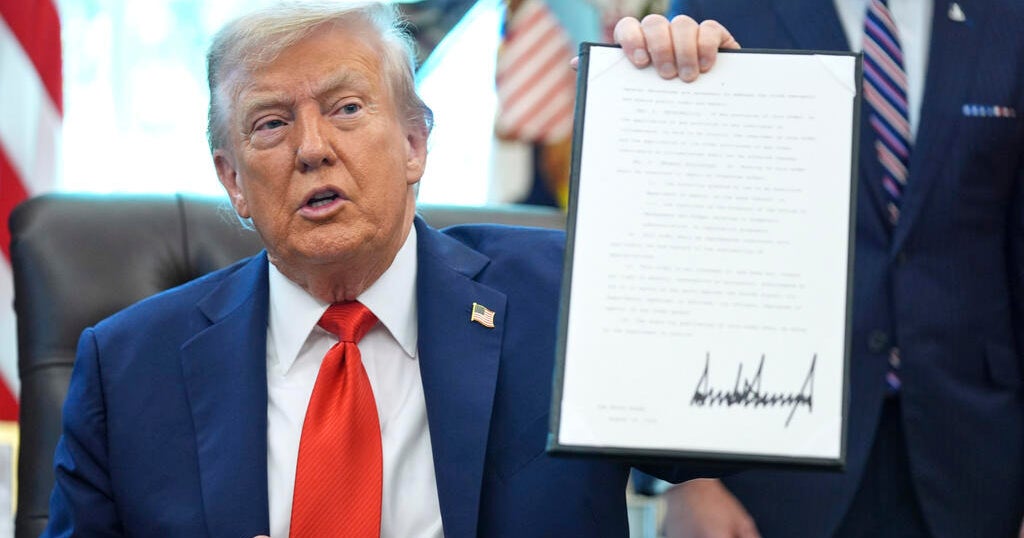
Federal prosecutors in Washington, D.C., moved to drop two misdemeanor charges against Jan Carey, a military veteran who last year burned an American flag outside the White House in protest of a presidential executive order. Carey had been indicted on counts for lighting a fire not in a designated receptacle and for causing damage to park property; each charge carried up to a fine or six months in custody. Carey pleaded not guilty and had been challenging the indictment. His attorney argued the prosecution threatened First Amendment freedoms and raised concerns about vindictive prosecutions tied to the president's directive. President Trump had signed an executive order urging the Justice Department to investigate and prioritize prosecutions of flag burning when other content-neutral laws are implicated, attempting to navigate around the Supreme Court's 1989 ruling that flag burning is protected symbolic speech except in limited contexts like incitement to imminent lawless action or "fighting words."
Biblical Reflection
Scripturally, this story forces a tension between two legitimate concerns: the biblical call to respect governing authorities and national institutions, and the biblical demand to defend justice, mercy, and the freedom of conscience. Romans 13:1 calls Christians to recognize government authority, yet Scripture also commands prophets and followers of God to speak truth to power (e.g., Nathan confronting David). Micah 6:8 (see below) summons us to act with justice, love mercy, and walk humbly — principles that require both careful critique of abuses of power and restraint in our own speech and actions. The government’s initial prosecution raised real alarms about the use of criminal law to silence dissent; defending free expression aligns with protecting the vulnerable from coercive authority. At the same time, flag burning as protest can be a provocative act that deepens division rather than reconciles. Christians should therefore resist both governmental overreach that punishes conscience and performative acts of rebellion that lack love for neighbor. The faithful response is to advocate for just legal processes, protect civil liberties, and pursue witness in ways that seek truth, restore relationships, and promote the common good rather than stoke vengeance or spectacle.
Scripture in context
This outlook does not yet include contextual Scripture citations. Do not treat a general biblical theme as an exegetical conclusion.
Faithful Response
No prescribed response is offered. Consider the reflection prompts below in your own church context.
Reflection and Discussion
- 1When does protest become a faithful witness, and when does it become a provocation that harms reconciliation?
- 2How should Christians advocate for civil liberties (including free speech) while also honoring lawful authority and loving neighbors?
- 3In what practical ways can I pursue justice and mercy in my community without resorting to spectacle or enabling injustice?
Sources
Reporting links are evidence inputs; Sanctuary News' biblical reflection is commentary.
This outlook currently relies on fewer than two linked sources. Broaden verification before teaching from it.
- 1.Original reportprimary