News Summary
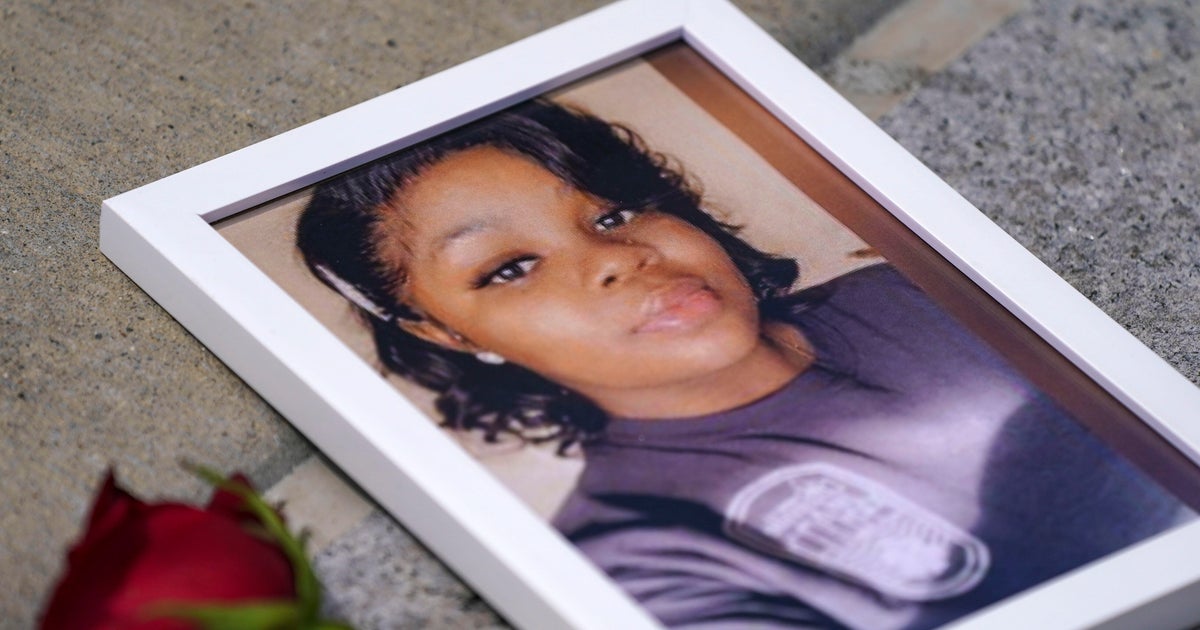
The Justice Department moved to dismiss with prejudice the remaining federal civil-rights case against two former Louisville police officers, Joshua Jaynes and Kyle Meany, who had been charged in connection with the 2020 shooting death of Breonna Taylor. The Civil Rights Division attorneys said they based the decision on a review of the case and noted prior federal court rulings that reduced the government’s felony allegations to misdemeanor color-of-law violations in 2023 and again in 2025. The filing was signed by senior political appointees in the Civil Rights Division rather than career prosecutors. The DOJ brief did not address other pending felony charges against the officers — including alleged false statements to the FBI, conspiracy, and falsification of records — arising from the case. Family attorneys and civil-rights leaders condemned the move as a denial of justice and expressed particular pain at actions taken by the Trump-appointed Justice Department leadership. The filing is part of a pattern of similar decisions by the Civil Rights Division in other high-profile cases, prompting internal controversy and public outcry.
Biblical Reflection
From a biblical perspective this story raises urgent questions about justice, truth, and the protection of the vulnerable. Scripture repeatedly demands that leaders and institutions pursue justice impartially (Micah 6:8; Isaiah 1:17). When legal processes fail to hold powerful actors accountable or when decisions appear inconsistent, it deepens grief, distrust, and wounds in communities that already bear disproportionate harm. Christians are called both to lament and to pursue constructive action: lament over the suffering of Breonna Taylor’s family and the perception that justice has been denied; insistence on truth-telling and accountability (Proverbs condemns false witness); and practical solidarity with those marginalized by systems of power. At the same time, the gospel calls the church to avoid reflexive partisanship—judging decisions solely by political affiliation—and to insist that justice be carried out transparently, consistently, and with mercy that does not excuse wrongdoing. Pastoral responses should amplify the voice of the bereaved, advocate for lawful and fair processes, and work toward reforms that prevent future tragedies. In short: this development is a call to righteous grief, clear-eyed critique of institutions, sustained advocacy for truth and reform, and careful pastoral care for those harmed.
Scripture in context
This outlook does not yet include contextual Scripture citations. Do not treat a general biblical theme as an exegetical conclusion.
Faithful Response
No prescribed response is offered. Consider the reflection prompts below in your own church context.
Reflection and Discussion
- 1Where do I see God calling me to lament, pray, or act in response to perceived injustice in my community?
- 2How can I balance a desire for accountability with Christlike mercy and avoid allowing partisan loyalties to shape my sense of justice?
- 3What practical steps can my church or I take to support truth, transparency, and reform in institutions that harm vulnerable people?
Sources
Reporting links are evidence inputs; Sanctuary News' biblical reflection is commentary.
This outlook currently relies on fewer than two linked sources. Broaden verification before teaching from it.
- 1.Original reportprimary