News Summary
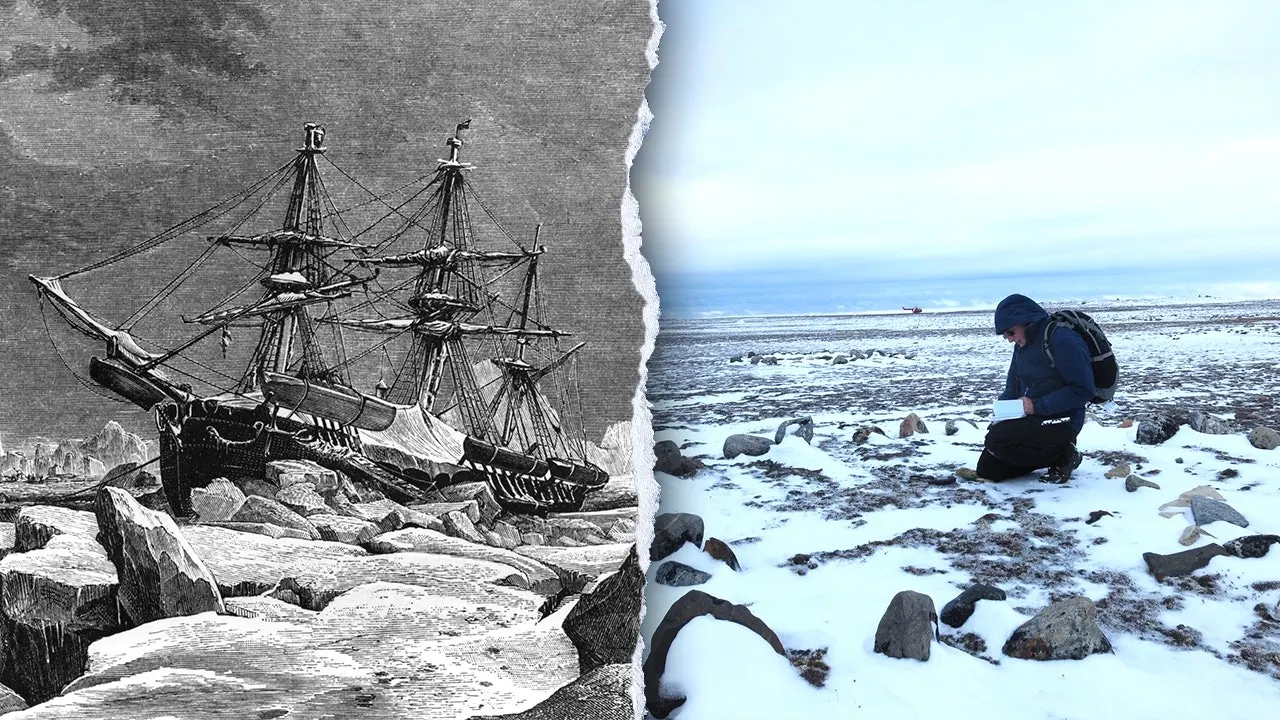
University of Waterloo researchers performed DNA analysis on skeletal remains recovered from sites associated with the 1845 Franklin expedition in the Canadian Arctic. The team identified four additional crew members — William Orren (Able Seaman), David Young (Boy 1st Class), John Bridgens (Subordinate Officers' Steward), and Harry Peglar (Captain of the Foretop on HMS Terror) — by matching DNA from teeth and other remains to living descendants. The study, published in the Journal of Archaeological Science: Reports in May, brought the total number of identified Franklin sailors to six, following earlier identifications of John Gregory (2021) and Captain James Fitzjames (2024). The article notes that the ships became trapped in ice near King William Island in 1846, Franklin died in 1847, and the surviving crew abandoned the vessels in April 1848 but did not survive. Researchers highlighted technical challenges extracting degraded DNA, the use of dental samples to improve recovery, and plans to work with genealogists and descendants to identify more crew. The report also mentions that Fitzjames’s remains showed evidence consistent with cannibalism and that one identified body (Peglar) was dressed in steward’s clothing, a detail that had earlier caused confusion about identity.
Biblical Reflection
From a Christian perspective, this research demonstrates how modern science can recover facts and offer closure to families and communities long burdened by uncertainty. The research aims to serve truth and reconciliation by involving descendants, which aligns with Christian values of honoring the dead and caring for the grieving. At the same time, readers should notice how certain details — especially references to cannibalism or surprising clothing choices — can be presented in ways that titillate or sensationalize rather than foster respectful remembrance. There is also a broader historical context: the expedition was rooted in imperial ambition and economic motives, and its framing as a ‘tragic adventure’ can obscure the human cost and the responsibilities of national projects. Christians are called to seek truth without cruelty: to accept forensic findings honestly while resisting dehumanizing or judgmental reactions toward people who lived under extreme conditions. Finally, the collaboration between scientists and descendants is a hopeful model of humility and communal care — using knowledge not just for curiosity but to restore names and dignity to the lost.
Scripture in context
This outlook does not yet include contextual Scripture citations. Do not treat a general biblical theme as an exegetical conclusion.
Faithful Response
No prescribed response is offered. Consider the reflection prompts below in your own church context.
Reflection and Discussion
- 1Does the way media highlights grisly details shift our focus from honoring the dead to satisfying curiosity, and how should that affect our response?
- 2How does the collaboration between scientists and descendants model the Christian call to pursue truth in service of restoration and family memory?
- 3What instincts — national pride, scientific prestige, or compassion — shape how we tell stories about historical tragedies, and which should guide Christians?
Sources
Reporting links are evidence inputs; Sanctuary News' biblical reflection is commentary.
This outlook currently relies on fewer than two linked sources. Broaden verification before teaching from it.
- 1.Original reportprimary