News Summary
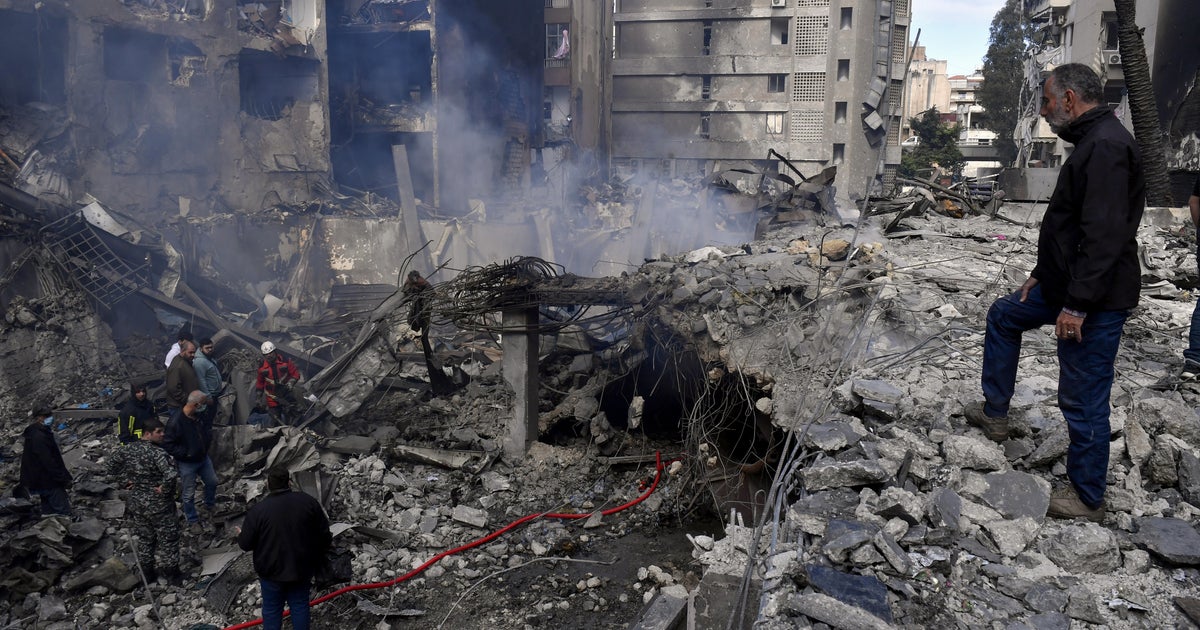
Israeli Prime Minister Benjamin Netanyahu said Israel's Cabinet has been instructed to open direct negotiations with Lebanon focusing on disarming Hezbollah and establishing peaceful relations. Israel continued intensive strikes in Lebanon, reporting hits on about 100 Hezbollah-linked targets and Israeli officials claiming some 200 Hezbollah fighters were killed; Lebanon's health ministry reported hundreds of deaths and many wounded, with reports of civilian areas hit. The U.S. and Israel maintain that Israel's actions in Lebanon were not part of a two-week ceasefire deal President Trump announced with Iran; Iran and Pakistan (which helped broker the deal) say the ceasefire covers Lebanon and that continued Israeli attacks violate the agreement. Iranian officials warned of strong responses to ceasefire violations. Pakistan and EU officials expressed concern that strikes in Lebanon risk undermining the truce. Germany and other European leaders urged restraint and discussed renewed diplomatic outreach to Iran. The U.S. said it would keep military forces in the region and demanded Iran comply with ceasefire terms, including commitments on nuclear development and ensuring safe passage through the Strait of Hormuz. Multiple international actors — including Lebanon's government, Spain, and the U.N. — criticized Israel's strikes as disproportionate or in violation of international humanitarian law; Israel characterized its operations as defensive actions against Hezbollah. Reports also detailed disputed accounts from U.S. service members about a deadly Iranian attack on U.S. forces in Kuwait. Talks between U.S. envoys and Iranian representatives were being planned in Islamabad, with unresolved disagreement over the ceasefire's geographic scope and implementation.
Biblical Reflection
From a Christian perspective, the report highlights the tragic human cost and moral complexity of modern warfare. Scripture calls believers to pursue peace and to care for the vulnerable (e.g., Matthew 5:9; James 1:27). Here we see competing narratives: political leaders framing military action as necessary self-defense, other states and international bodies framing the same actions as violations of a ceasefire and international law, and local reports showing civilians harmed. Christians should note two dangers in the article's framing: (1) the tendency to accept official casualty claims uncritically — parties to a conflict often inflate or minimize figures to justify actions; and (2) partisan alignment that treats one leader’s diplomatic moves as definitive without independent verification. The article reflects a worldview that privileges state security and strategic calculations; a biblical lens likewise recognizes legitimate questions of justice and defense but insists that means must honor human dignity and proportionality. Christians are called to seek truth, mourn civilian suffering, advocate for just and peaceful resolution, and hold leaders accountable for both rhetoric and consequences. Finally, the story shows how fragile ceasefires can be when terms are ambiguous; Christians should pray and work for clear, verifiable commitments that protect civilians and create space for honest negotiation.
Scripture in context
This outlook does not yet include contextual Scripture citations. Do not treat a general biblical theme as an exegetical conclusion.
Faithful Response
No prescribed response is offered. Consider the reflection prompts below in your own church context.
Reflection and Discussion
- 1Whose accounts are given priority in this reporting, and what independent evidence is cited to verify casualty and target claims?
- 2How does the framing of 'self-defense' versus 'violation of a ceasefire' shape our moral assessment — are we weighing outcomes for civilians as heavily as strategic arguments?
- 3Are political loyalties shaping public theology here, and how should Christians balance legitimate national security concerns with the biblical call to pursue peace and protect the innocent?
Sources
Reporting links are evidence inputs; Sanctuary News' biblical reflection is commentary.
This outlook currently relies on fewer than two linked sources. Broaden verification before teaching from it.
- 1.Original reportprimary