News Summary
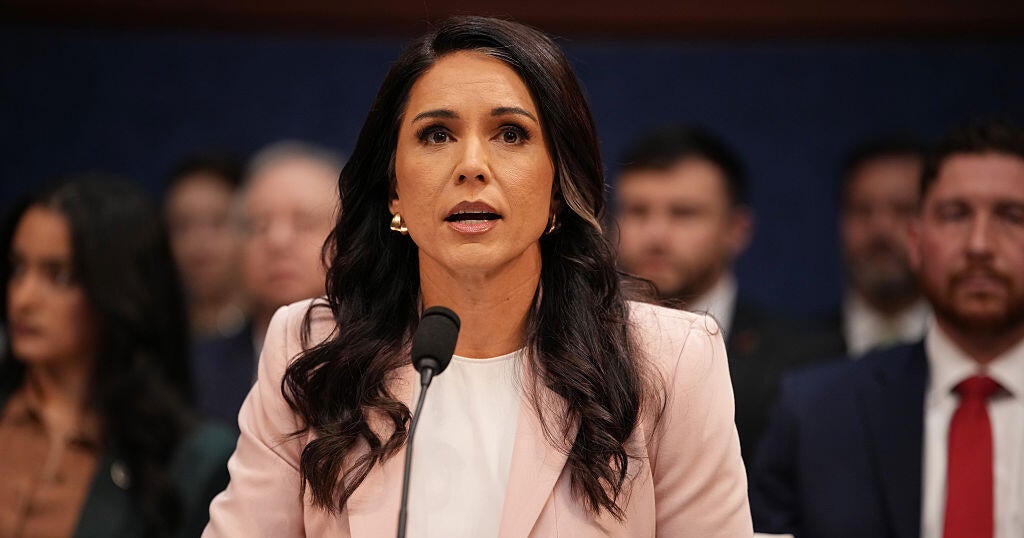
At a House Intelligence Committee hearing, Director of National Intelligence Tulsi Gabbard and other intelligence officials faced detailed questioning from members of Congress about the Iran war, Iranian leadership, nuclear capabilities, and related intelligence matters. Gabbard described the status and intentions of Iran’s new leadership as unclear after the death of Ayatollah Ali Khamenei and said Mojtaba Khamenei’s role and condition are uncertain following reported injury. She affirmed the intelligence community has “high confidence” about the location of enriched uranium but said detailed discussion belongs in classified briefings. Lawmakers also pressed FBI Director Kash Patel about recent terminations of FBI employees, potential politicization, and the bureau’s resources for Iran-related threats. Members debated whether Iran posed an “imminent” threat to the U.S., the difference between U.S. and Israeli objectives, the legal and constitutional authority to use force, and the consequences of sanctions and policy choices. The hearing covered other topics including Section 702 surveillance reauthorization, the handling of Havana Syndrome assessments, omissions in written testimony versus oral statements, and the possible U.S. military options for seizing Iranian nuclear material. Several members urged more transparency, congressional deliberation on decisions of war, and additional classified briefings.
Biblical Reflection
From a biblical perspective this story raises enduring moral and spiritual questions about the use of power, the stewardship of truth, and the way leaders and citizens pursue peace and security. Scripture calls leaders to seek wisdom and justice (Proverbs 2:6; Micah 6:8) and calls communities to prefer deliberation, restraint, and accountability rather than impulsive violence. The hearing reflects necessary tensions in a healthy republic: the need for accurate, non-politicized information, the constitutional role of representatives in decisions about war, and the moral cost of military action. Christians should be wary of fear-driven narratives that shortcut deliberation or sanctify unchecked executive power. At the same time, the Bible affirms the legitimate role of government to protect the innocent (Romans 13:4) and the tragic reality that sometimes force is used to restrain evil; but such force must be governed by justice, careful assessment, and a clear commitment to minimize harm to civilians. Practically, this means praying for discernment for intelligence analysts and elected officials, demanding transparency and truth where possible, defending proper checks and balances, and advocating policies that genuinely pursue peace and protect the vulnerable. The affirmation by multiple officials to revisit flawed assessments (e.g., Havana Syndrome) is also a reminder that humility and correction are biblical virtues (James 3:17; Proverbs 28:13). Christians should neither romanticize war nor abdicate responsibility to hold leaders accountable, remembering that peacemaking and truth-telling are central to Christian witness.
Scripture in context
This outlook does not yet include contextual Scripture citations. Do not treat a general biblical theme as an exegetical conclusion.
Faithful Response
No prescribed response is offered. Consider the reflection prompts below in your own church context.
Reflection and Discussion
- 1How can I pray and act in ways that promote truthful accountability and peaceful solutions when my nation faces threats?
- 2Am I leaning on fear or on careful discernment and trusted information when I form opinions about national security issues?
- 3In what concrete ways can Christians encourage leaders to pursue justice, transparency, and the protection of the innocent?
Sources
Reporting links are evidence inputs; Sanctuary News' biblical reflection is commentary.
This outlook currently relies on fewer than two linked sources. Broaden verification before teaching from it.
- 1.Original reportprimary