News Summary
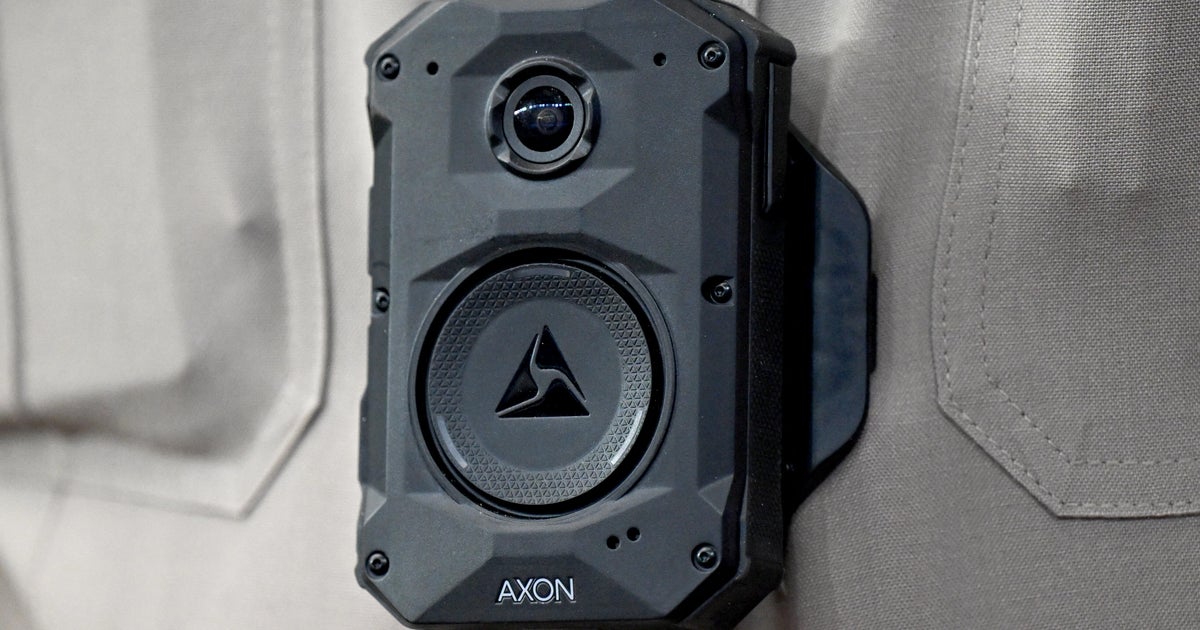
The Department of Homeland Security announced that every ICE arrest team will have at least one officer equipped with a body-worn camera after two fatal shootings by agents who were not wearing cameras — a Mexican man was shot and killed in Houston and a Colombian man was shot and killed in Biddeford, Maine. DHS said body cameras are a nationwide priority and noted an increase in assaults against immigration agents; the department's statement also accused media and sanctuary jurisdictions of spreading "smears" about law enforcement. DHS attributed the incomplete rollout of cameras to a lapse in funding during a partial government shutdown and said more than half of ICE field offices already had cameras deployed, with remaining offices to receive them within 60 days; Congress provided $20 million for body cameras in an April funding bill. The article notes prior proposals to cut the camera program under the Trump administration, Democratic criticism of DHS's rollout speed, and Rep. Sylvia Garcia's claim that acting ICE Director David Venturella promised access to cameras for all field agents by the end of July. DHS has said the two men shot were in the country illegally and were not the intended targets; both shootings occurred during attempted vehicle stops, and DHS has accused the Houston man of weaponizing his vehicle, a claim disputed by family members. ICE temporarily instructed officers to suspend most vehicle stops during enforcement operations, except for serious criminal targets, while officers receive additional training.
Biblical Reflection
From a Christian perspective, the move toward universal body-worn cameras on ICE arrest teams aligns with principles of truth-seeking and accountability: cameras can help establish facts, protect victims, and guard officers from false accusations. At the same time, the announcement carries signs of politicized framing (DHS blaming media and "sanctuary politicians" and attributing rollout delays to partisan shutdowns) that may deflect attention from operational failures, training gaps, or policy choices that also contributed to the incidents. Cameras are a constructive step, but they are not a substitute for sober institutional humility, independent oversight, de-escalation training, clear use-of-force policy, and pastoral care for affected families and communities. Christians should welcome transparency measures that promote justice and mercy, while remaining attentive to how power is exercised — especially over vulnerable immigrant populations. The proper Christian response combines insistence on truthful, impartial investigation and structural reform with compassion for victims, accountability for wrongdoing, and prayerful support for officers serving under difficult conditions.
Scripture in context
This outlook does not yet include contextual Scripture citations. Do not treat a general biblical theme as an exegetical conclusion.
Faithful Response
No prescribed response is offered. Consider the reflection prompts below in your own church context.
Reflection and Discussion
- 1Does the way leaders describe the cause of problems (blaming funding lapses or media) help solve underlying training, policy, and oversight failures?
- 2Will body cameras be paired with independent review, clear use-of-force rules, and support for de-escalation so they actually increase accountability?
- 3Whose voices are being prioritized in the response — the families of the deceased, affected communities, or institutional reputations — and how would justice look in this case?
Sources
Reporting links are evidence inputs; Sanctuary News' biblical reflection is commentary.
This outlook currently relies on fewer than two linked sources. Broaden verification before teaching from it.
- 1.Original reportprimary