News Summary
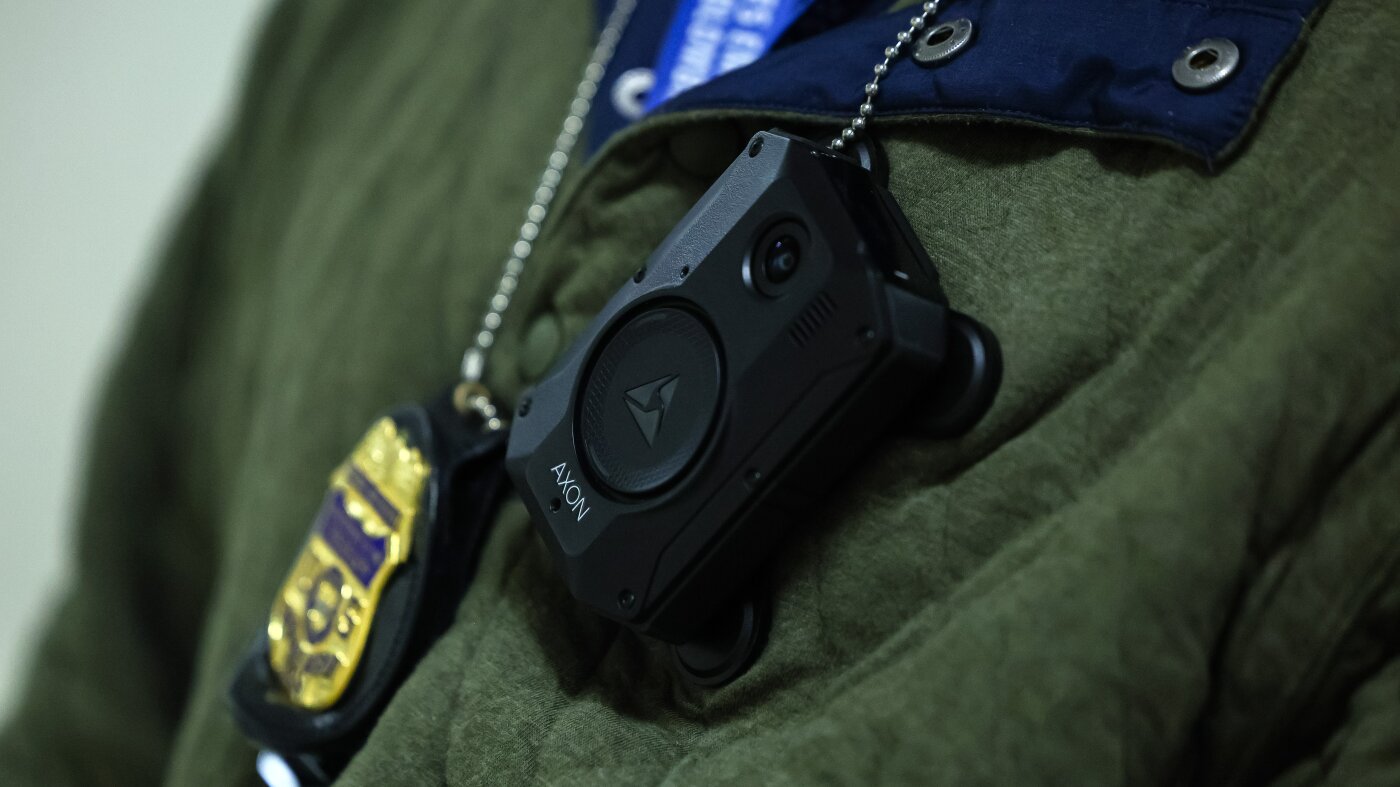
Following the January killings of two U.S. citizens by immigration agents in Minneapolis, DHS pledged to deploy body-worn cameras to ICE officers nationwide. Nearly six months later, that deployment had not been completed. Two more fatal shootings involving immigration agents in Texas and Maine occurred recently; DHS said none of the officers involved were wearing body cameras. Lawmakers including Sen. Susan Collins renewed calls for mandatory body cameras. DHS officials, including White House Border Czar Tom Homan, said hundreds of cameras were purchased and sent to Minnesota and that a deployment schedule and training exist; DHS later stated half of field offices have cameras and the remainder will receive them within 60 days. DHS blamed government shutdowns for interruptions in purchasing and issuing cameras. Congress provided funding for technology, including $31 billion for unspecified technology, but lawmakers did not pass a mandate requiring ICE to buy or use body cameras. Advocates and critics differ on the likely effects: proponents say body cameras are an important accountability tool and have revealed misconduct in other contexts; critics note officers can fail to activate cameras or alter footage and say DHS has not shown urgency. Independent bystander and surveillance footage has at times contradicted DHS initial accounts in recent deadly incidents, and specifics on how many cameras DHS owns or will purchase remain unclear.
Biblical Reflection
From a Christian perspective, this story raises concerns about truth, justice, and the protection of vulnerable people. Transparency tools like body cameras can help surface facts and protect both civilians and officers, supporting accountability when lives are at stake. The varied explanations—funding without mandate, claims that shutdowns stalled purchases, and assertions that cameras would expose agents—reveal competing institutional priorities and political incentives. Christians should press for structures that honor both truth and mercy: systems that make it harder to conceal wrongdoing, that protect due process, and that safeguard the dignity and lives of migrants and agents alike. At the same time, rely on sober discernment: body cameras are not a cure-all if policies, training, activation rules, storage, and independent oversight are weak. The Christian imperative is to advocate for policies and practices that pursue honest reporting, repentance when harms occur, and concrete safeguards for those who are most exposed to state power.
Scripture in context
This outlook does not yet include contextual Scripture citations. Do not treat a general biblical theme as an exegetical conclusion.
Faithful Response
No prescribed response is offered. Consider the reflection prompts below in your own church context.
Reflection and Discussion
- 1When officials promise reforms, what systems (funding mandates, timelines, independent oversight) are necessary to make those promises real?
- 2Who gains or loses when transparency measures are delayed or implemented without robust rules on activation, storage, and review?
- 3Are we treating the desire for officer safety and the need for public accountability as mutually exclusive, or can policy protect both?
Sources
Reporting links are evidence inputs; Sanctuary News' biblical reflection is commentary.
This outlook currently relies on fewer than two linked sources. Broaden verification before teaching from it.
- 1.Original reportprimary