News Summary
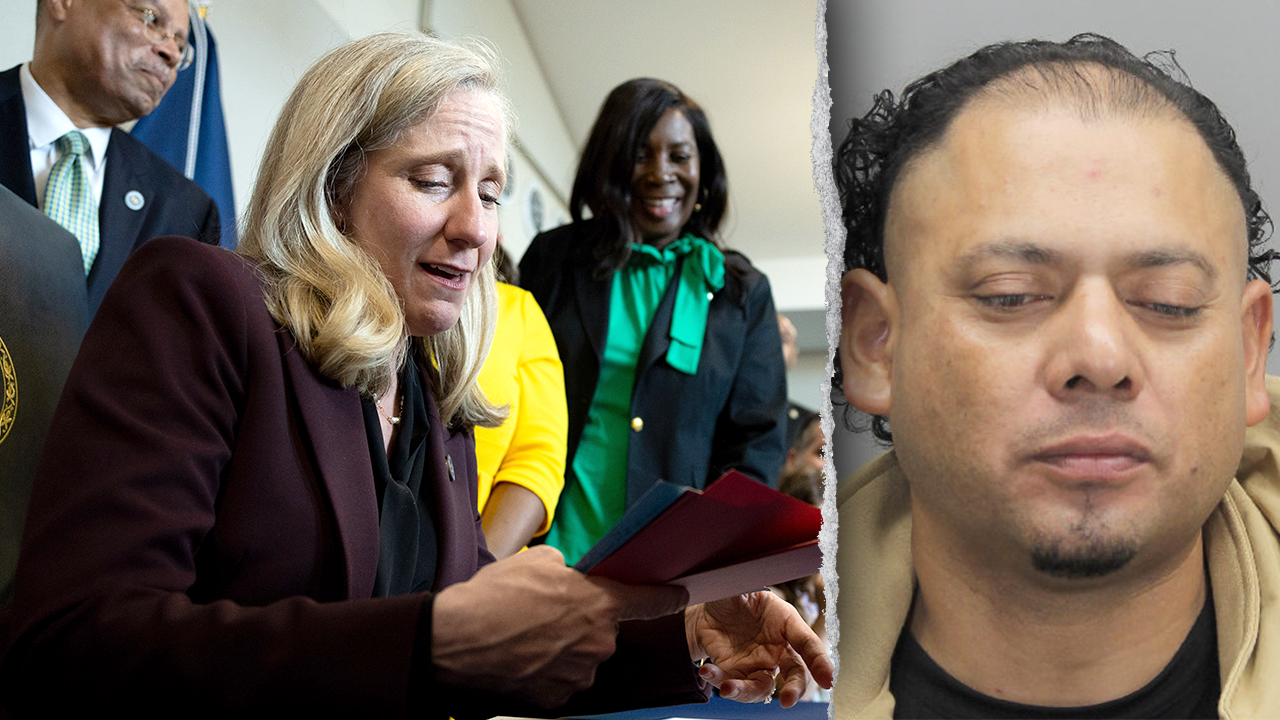
The Department of Homeland Security issued a statement criticizing Virginia Governor Abigail Spanberger and Fairfax County officials for what DHS called lax handling of criminal suspects who are undocumented immigrants. DHS highlighted the arrest of Juan Arevalo Mendez, a 46-year-old man from El Salvador who has been charged in Fairfax County with rape and abduction; DHS and ICE say he was twice deported and allegedly re-entered the U.S. illegally and has a prior criminal record. ICE lodged a detainer for him after his recent arrest; Fairfax County Sheriff’s Office says the individual remains in county custody and that ICE has been notified and may execute its detainer if the inmate is ordered released. DHS also provided a list it says contains 17 serious criminal cases in Virginia in 2026 involving people it labels as undocumented, nine of which it said occurred in Fairfax County. DHS criticized Spanberger’s executive order ending Virginia’s 287(g) program and urged local officials not to release detainees to local custody instead of ICE. The article names several other individuals and alleged offenses cited by DHS, notes criticism of Fairfax County’s sanctuary-style approaches by advocacy groups, identifies local officials (Commonwealth’s Attorney Steve Descano and Sheriff Stacey Kincaid), and reports that Fox News sought comment from Spanberger’s and Descano’s offices.
Biblical Reflection
The article reports a conflict between federal enforcement authorities and state/local officials over how to handle criminal suspects who are undocumented. Christians should welcome clear, verifiable facts that protect communities and help victims, but also be cautious about narratives that may spotlight individual crimes in ways that encourage broad generalizations about a whole people group. The piece relies heavily on DHS statements and selective case lists; key statistical claims (for example, the percentage of murders attributed to undocumented immigrants) deserve independent verification and context. From a pastoral perspective, there are two biblical responsibilities in tension here: to seek public safety and justice for victims, and to show mercy and dignity to strangers. Policies and rhetoric that emphasize fear or demonization of entire immigrant populations risk undermining neighbor-love, while lax law enforcement that endangers people also fails the call to protect the vulnerable. Christians should press leaders and media for accurate data, due process, and policies that reduce crime while treating human beings with dignity, and should offer care and support to victims irrespective of political framing.
Scripture in context
This outlook does not yet include contextual Scripture citations. Do not treat a general biblical theme as an exegetical conclusion.
Faithful Response
No prescribed response is offered. Consider the reflection prompts below in your own church context.
Reflection and Discussion
- 1What independent data would verify the DHS claims, and are the provided case examples representative or selective?
- 2Am I responding to the facts of specific criminal cases or to a broader narrative that risks stereotyping whole communities?
- 3How can policy-makers balance lawful enforcement and victim protection with humane treatment of migrants so the Christian witness is not compromised?
Sources
Reporting links are evidence inputs; Sanctuary News' biblical reflection is commentary.
This outlook currently relies on fewer than two linked sources. Broaden verification before teaching from it.
- 1.Original reportprimary