News Summary
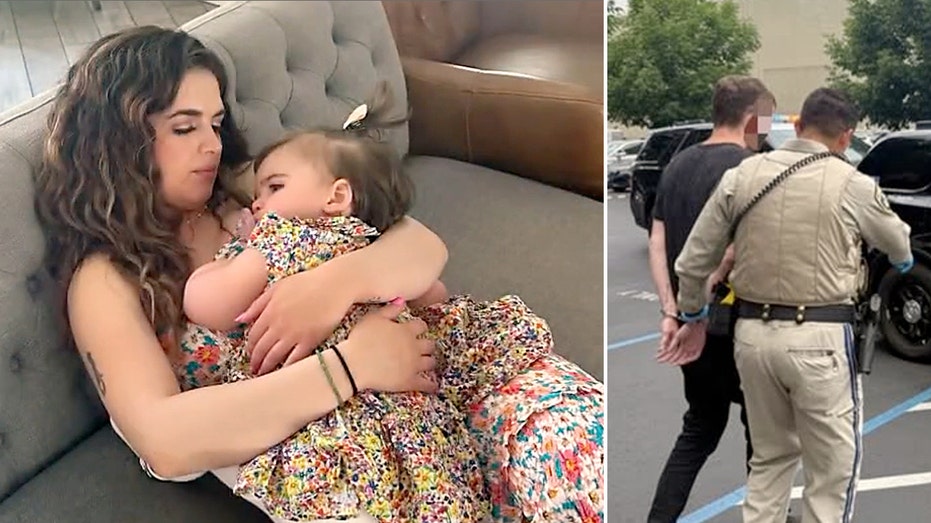
Reported facts: A Silicon Valley developer is accused in connection with a crash in San Jose in which a Tesla reportedly reached 142 mph and struck stopped traffic, killing a mother and her 1-year-old daughter in a fiery collision. Attributed claims: Investigators are reported to have concluded the vehicle reached the specified speed before impact; criminal charges were filed against the developer. Uncertainty: The article does not supply the defendant's account, detailed investigative evidence (such as event-data recorder output, whether automated driving features were engaged, or the precise basis for the murder charge), or corroboration from independent sources.
Source and Framing Analysis
Only one primary news report (Fox News) is supplied. The article emphasizes the vehicle's speed and the Tesla brand, which can prompt readers to attribute blame to the car or company; however, the piece as supplied does not provide technical investigative documentation (police reports, forensic data, or prosecutorial filings). Material uncertainties that affect interpretation include whether the speed measurement derived from vehicle data, speedometer readings, or external reconstruction; whether the driver was operating the vehicle manually; and the legal basis for murder charges versus lesser charges. The framing centers on high speed and a branded vehicle, which may shortcut readers to technology-fault narratives without full evidentiary support.
Biblical Reflection
This report describes a tragic, fatal traffic collision that raises immediate questions of responsibility, care for victims, and public safety. Christians should respond with sorrow for the lives lost, a measured demand for truthful accountability, and compassion for grieving family members. The piece highlights both human fallibility and broader cultural patterns — we live in a world where speed, risk-taking, and technological capability intersect; when harm occurs we must discern whether negligence, willful wrongdoing, or systemic failure is at work.
Be careful about quick assumptions. The article attributes a high speed to the vehicle based on investigators’ statements; it does not explain causal factors such as driver intent, vehicle condition, or whether automated systems were engaged. Christians committed to truth should withhold final judgments until more evidence is known while still advocating for justice for the victims and protections that reduce future suffering. Mercy and justice are not opposites here: seeking the facts and pursuing just accountability honors both.
Finally, this story is a pastoral reminder to pray for those directly harmed, to support grieving neighbors practically, and to insist that our communities steward technology and freedom responsibly so vulnerable people — including children — are not treated as expendable.
Scripture in context
- 1Luke 10:25-37 (Parable of the Good Samaritan) — In this Gospel passage Jesus tells a parable about a man beaten and left for dead; a priest and a Levite pass by, but a Samaritan cares for him. The story addresses neighbor-love, practical mercy, and what it means to 'go and do likewise' in a world where people are harmed and in need. — The passage challenges Christians to move beyond abstract sympathy into tangible care for victims and to resist passing by suffering. It also requires discernment: mercy for the wounded and accountability for those who harm are both necessary responses. In the face of preventable tragedy, faithful neighbors comfort the bereaved, seek justice, and work to reduce future harm.
Faithful Response
Pray specifically for the victims’ family, the accused, investigators, and first responders.
Offer concrete support to the grieving family or community (meals, childcare, funeral help) rather than only commentary.
Avoid sharing or amplifying unverified details; encourage reliance on official reports and avoid speculative narratives about vehicle automation or intent.
Advocate locally for road-safety measures (traffic calming, enforcement, public awareness) that protect vulnerable users, especially families and children.
Reflection and Discussion
- 1How does Scripture’s call to love our neighbor shape our response to victims and accused persons in this story?
- 2In what ways should the church press for truth and accountability when technological tools are involved but facts remain incomplete?
- 3How can Christians turn sorrow over preventable deaths into sustained practices that protect the vulnerable in our communities?
Sources
Reporting links are evidence inputs; Sanctuary News' biblical reflection is commentary.
This outlook currently relies on fewer than two linked sources. Broaden verification before teaching from it.
- 1.Silicon Valley developer accused of murder after investigators say Tesla reached 142 mph before fatal crashprimary_reporting