News Summary
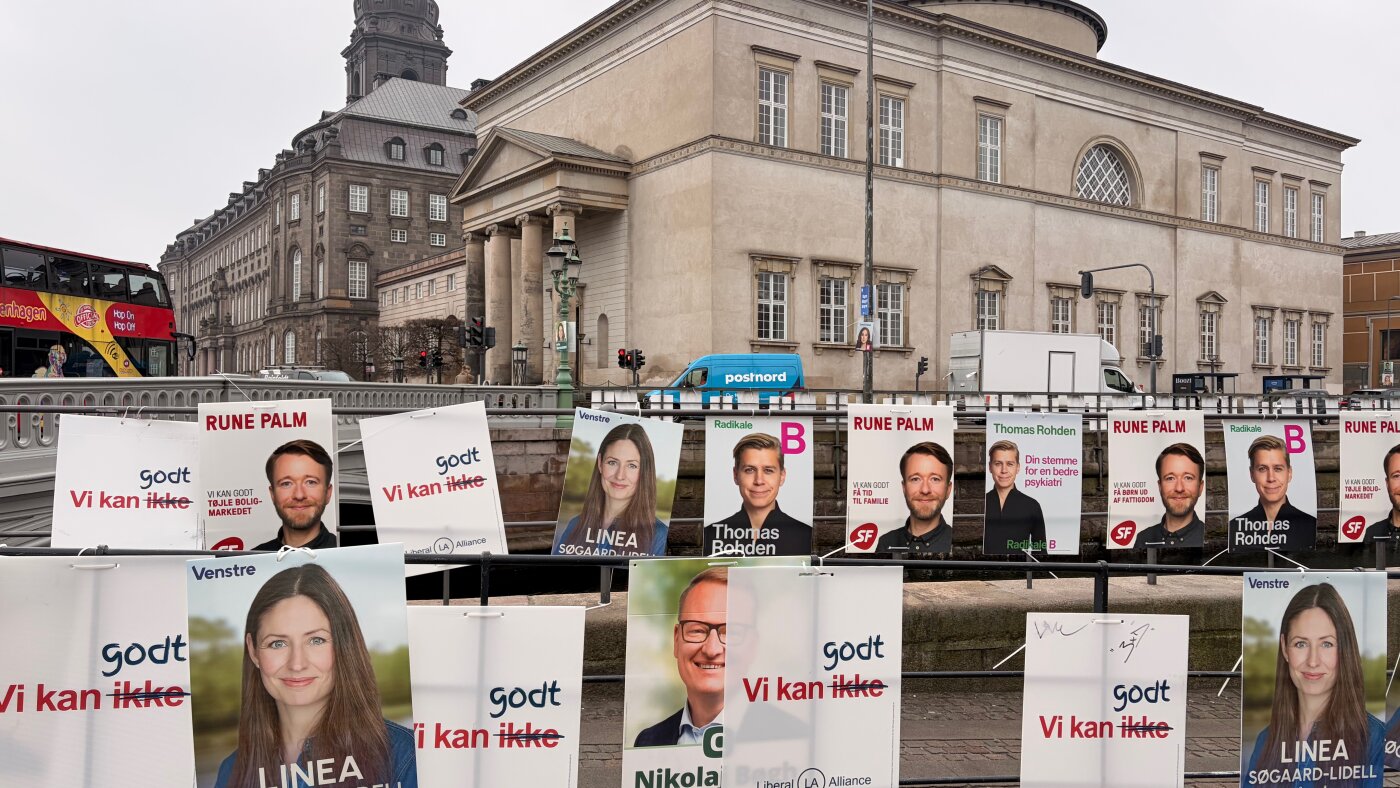
Danish Prime Minister Mette Frederiksen called early parliamentary elections after a boost in her popularity following her public rejection of a proposal by then-President Donald Trump to buy or 'take' Greenland. Trump's suggestion, which he later backed off, briefly put Denmark and Greenland in the international spotlight and is credited by analysts with improving Frederiksen's standing among voters. The campaign season features strong expressions of national and cultural identity, and some Greenlandic representatives say the episode has brought Denmark and Greenland closer. The Danish government increased spending in Greenland after the episode. Candidates and voters express a mix of concerns: capitalizing on international attention, focusing on domestic issues like taxes, healthcare and education in Greenland, and broader European efforts to assert autonomy from trans-Atlantic dependence. The article also notes nominations for peace-related recognition for lawmakers involved in de-escalation, and describes cultural moments in the campaign such as the singing of historic hymns that evoke resistance and hope.
Biblical Reflection
There are elements here that deserve both cautious affirmation and honest critique when measured against biblical truth. On the positive side, leaders who stand to protect the dignity and sovereignty of weaker peoples, who move to strengthen bonds between a nation and its vulnerable territory, and who invest resources in health and education are acting in ways consonant with biblical calls to justice and care for the needy (e.g., caring for the stranger and the poor). The solidarity shown between Denmark and Greenland can reflect Christlike neighbor-love (Luke 10:25–37) and a willingness to safeguard those under one’s care.
At the same time, Christians should be wary of the political dynamics described. External threats or provocative rhetoric can be used to rally support, and the use of fear or national pride for political advantage can harden hearts and obscure real needs. Scripture cautions against pride, manipulation, and putting trust in human power rather than in God (Proverbs 16:18; Psalm 118:8). The Christian response is not simply to cheer strong rhetoric but to evaluate leaders by whether they seek peace (Matthew 5:9), pursue justice (Isaiah 1:17), act with humility (Micah 6:8), and protect the vulnerable without exploiting their plight for political gain.
Practically, the story calls Christians to pray for wise, humble leadership; to advocate that political victories translate into concrete care for marginalized communities (here, Greenlanders); and to resist the temptations of nationalism that dehumanize others. We should encourage policies that serve the common good, and remain vigilant when international incidents become platforms for domestic advantage rather than causes for genuine peacemaking and stewardship.
Scripture in context
This outlook does not yet include contextual Scripture citations. Do not treat a general biblical theme as an exegetical conclusion.
Faithful Response
No prescribed response is offered. Consider the reflection prompts below in your own church context.
Reflection and Discussion
- 1When national leaders face external threats or insults, how can I pray and act so that the response protects the vulnerable rather than inflames fear or pride?
- 2Are there ways I might be tempted to celebrate political strength that conflict with Christ’s call to humility and peacemaking?
- 3How can our communities hold leaders accountable to turn moments of attention into sustained care for marginalized peoples (e.g., better health care and education) rather than temporary political gain?
Sources
Reporting links are evidence inputs; Sanctuary News' biblical reflection is commentary.
This outlook currently relies on fewer than two linked sources. Broaden verification before teaching from it.
- 1.Original reportprimary