News Summary
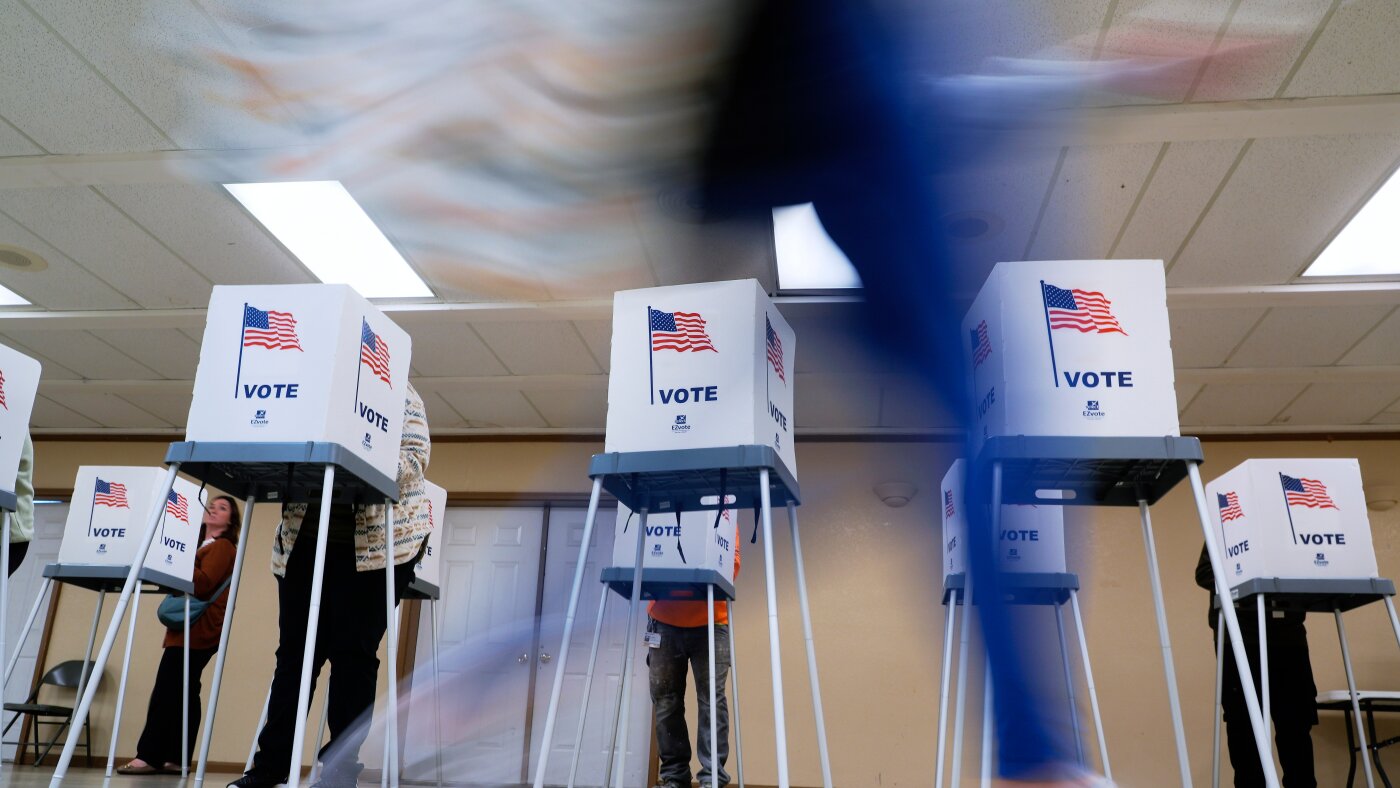
Since President Trump returned to office after the 2024 election, several post‑2024 races have shown stronger performance by Democratic candidates compared with 2024 presidential margins. In Wisconsin, liberal‑leaning justices expanded their majority on the state Supreme Court when Chris Taylor defeated Maria Lazar roughly 60% to 40%; Trump carried Wisconsin by under one percentage point in 2024. In Georgia’s 14th Congressional District special election runoff, Republican Clay Fuller won with about 56% to Democrat Shawn Harris’s 44%; Harris had received under 36% in a 2024 contest in the district, which Trump carried by nearly 40 points in 2024. Election analyst Downballot reported that Democrats have, on average, improved on 2024 presidential margins by about 11% in special elections so far in 2026 and roughly 13% since the start of 2025. The article also notes Democratic victories in recent governor races (New Jersey, Virginia), flipped municipal contests, increased Democratic turnout and enthusiasm in some 2026 primaries (e.g., 2.3 million votes in Texas’s Democratic primary, higher Democratic turnout in North Carolina’s statewide primary, and a nearly 80% increase in Democratic primary turnout in Mississippi compared with the 2018 Senate primary), and a reported average job approval rating for President Trump near 39%. The piece links these trends to factors cited in polling and coverage, including an unpopular war in Iran, rising gas prices, economic concerns, and typical midterm dynamics where the party in power often loses ground.
Biblical Reflection
Where the article is accurate, it points to real shifts in turnout and margins in specific races. But a Christian approach to this coverage practices careful discernment about cause and effect, sampling, and framing. The piece aggregates local and nonpartisan judicial outcomes, special elections with low turnout, primary enthusiasm, and some statewide races to identify a broader trend. That is a legitimate way to spot patterns, but it risks overstating national uniformity: local issues, candidate quality, nonpartisan ballot structure, turnout anomalies, and targeted spending can all produce outcomes that differ from presidential results without reflecting wholesale party realignment. The story also leans on a narrative that attributes gains primarily to Republican unpopularity under Trump; while that is plausible in some places, it may underplay other dynamics (e.g., Democratic mobilization in lower‑turnout contests, judicial race particularities, or regional issues). Christians should evaluate such accounts by (1) asking whether the reporting separates verifiable data from interpretation, (2) resisting simplistic attributions that make political actors scapegoats, and (3) remembering that civic engagement is a stewardship calling that should be exercised with truthfulness, humility, and love for neighbors across political lines. Reporting that emphasizes partisan momentum can fuel division; the biblical call is to seek justice, speak truth, and pursue peace even amid contested politics.
Scripture in context
This outlook does not yet include contextual Scripture citations. Do not treat a general biblical theme as an exegetical conclusion.
Faithful Response
No prescribed response is offered. Consider the reflection prompts below in your own church context.
Reflection and Discussion
- 1What data and types of races is this article using to define a national trend, and what local or structural factors might those data omit?
- 2How does the article balance factual reporting (vote totals, turnout) with interpretation about motives and causes, and where might it lean on assumptions?
- 3As a Christian consumer of news, how can you hold to truth and pursue civil reconciliation when political coverage emphasizes winners, losers, and blame?
Sources
Reporting links are evidence inputs; Sanctuary News' biblical reflection is commentary.
This outlook currently relies on fewer than two linked sources. Broaden verification before teaching from it.
- 1.Original reportprimary