News Summary
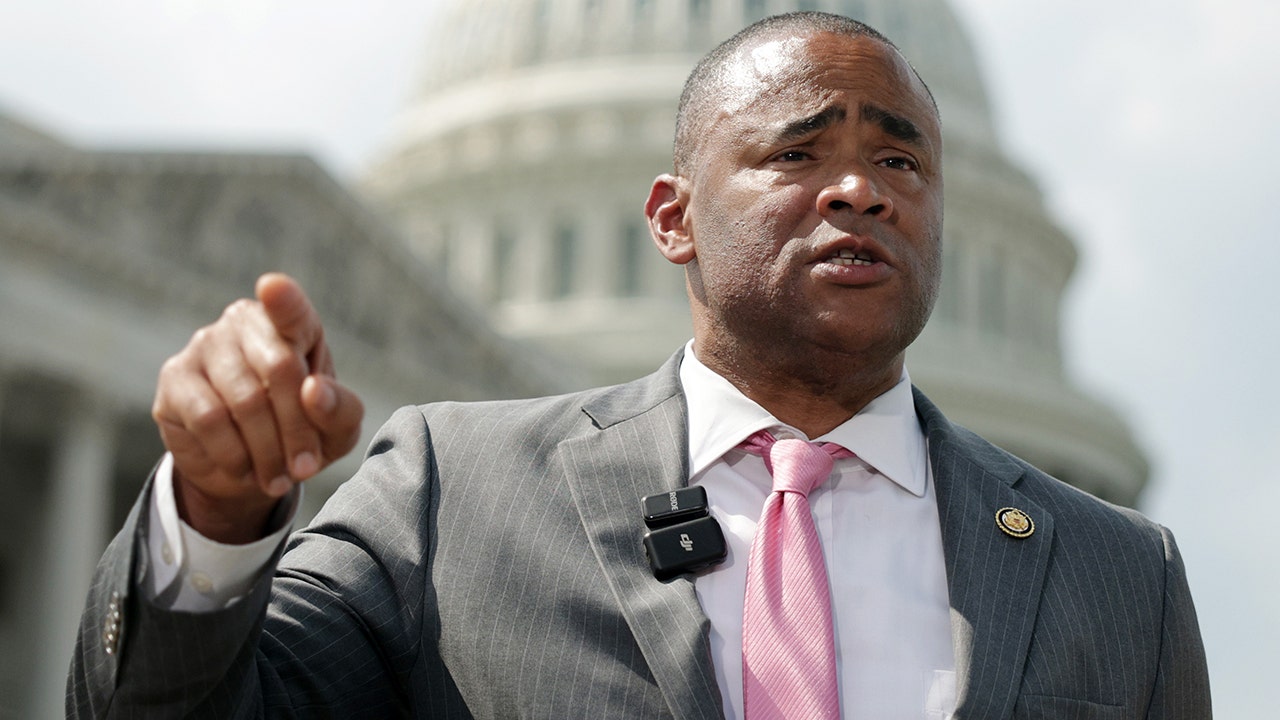
The Supreme Court issued a 6-3 decision that struck down Louisiana’s 6th Congressional District and clarified that states may not use race either to disenfranchise voters or to create districts intended to help minority communities elect preferred candidates. In response, Democratic lawmakers defended recent state-level redistricting efforts as necessary countermeasures to prior Republican-led map changes. Several Democrats quoted in the piece said Republicans began an "arms race" in redistricting and that Democrats are seeking to "level the playing field." The article cites examples of states that have pursued or approved map changes after calls to expand Republican representation (including actions in California, Utah, Missouri, Louisiana, Ohio, Virginia, North Carolina, and Florida). House Democrats quoted include Rep. Jason Crow, Rep. Mark Takano, Rep. Marc Veasey, and Rep. Christian Menefee, who variously blamed Republican initiative, past Democratic inaction, or argued that partisan map-making is an unavoidable response to existing tactics. The article notes it is unclear which states will re-evaluate maps following the Court’s ruling and reports that Florida’s legislature recently approved a plan that could eliminate up to four Democratic districts.
Biblical Reflection
This story highlights how political actors on both sides respond to institutional changes and legal rulings to protect or expand influence. From a biblical perspective, several themes stand out. First, the pursuit of political power for partisan advantage is a predictable human response to competition and fear—Scripture warns repeatedly about the corrupting influence of power and the need for justice (e.g., Proverbs on honest scales, Micah on doing justice). Second, the piece reflects competing narratives: Democrats describe their actions as corrective and protective of representation; opponents cast them as opportunistic. The article itself adopts a combative tone in places (original headline language) and relays strongly framed quotes; readers should note the rhetorical emphasis on blame and retaliation. Christians should therefore discern three things: (1) legal victories or losses do not by themselves determine moral rightness — laws and courts are part of a fallen order and must be engaged with honesty and humility; (2) the virtue to seek is not merely winning but just representation, protection of the vulnerable, and truthfulness in public speech; and (3) it is spiritually dangerous when parties justify questionable means because they fear losing power. Practically, Scripture calls for advocacy that protects the marginalized and the integrity of civic processes (e.g., care for the oppressed, honest dealings), and it also calls believers to avoid partisan idolatry—making party success a higher good than justice or neighbor-love. The article fairly reports statements from Democratic lawmakers but centers partisan framing and reactive language; readers should separate tactical political claims from moral claims about fairness and the public good.
Scripture in context
This outlook does not yet include contextual Scripture citations. Do not treat a general biblical theme as an exegetical conclusion.
Faithful Response
No prescribed response is offered. Consider the reflection prompts below in your own church context.
Reflection and Discussion
- 1Who benefits most from the redrawn maps, and how might the framing of those changes obscure whether the outcome advances justice or merely party advantage?
- 2How does the article’s focus on blame and tit-for-tat rhetoric shape your view of the underlying public-policy question (fair representation), and what evidence would you need to move from partisan claims to an impartial assessment?
- 3In what ways should Christians judge legal and political strategies: by effectiveness in winning seats or by whether those strategies promote honest representation and protect the disenfranchised?
Sources
Reporting links are evidence inputs; Sanctuary News' biblical reflection is commentary.
This outlook currently relies on fewer than two linked sources. Broaden verification before teaching from it.
- 1.Original reportprimary