News Summary
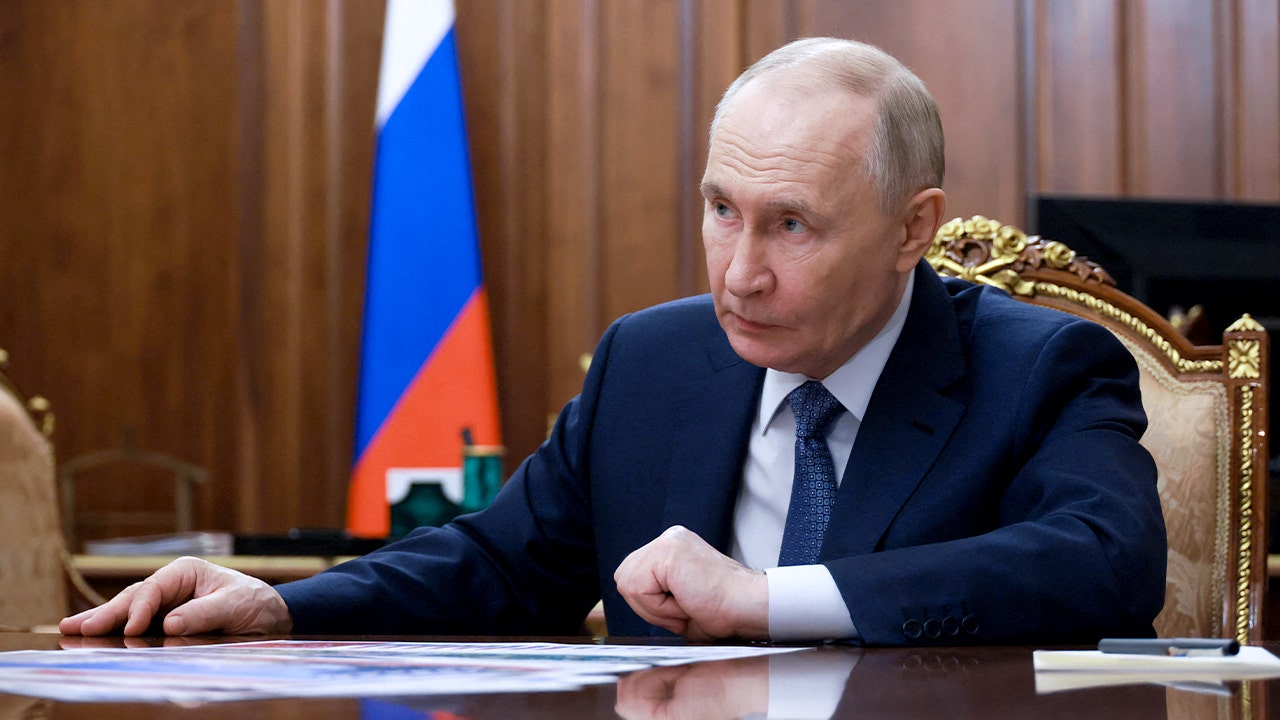
The article examines the ongoing Russia-Ukraine war as it enters its fifth year. Despite increased diplomatic efforts, including renewed peace talks following President Donald Trump's return to office, little progress has been made toward ending the conflict. Russian forces continue to push forward, albeit slowly and at great cost, particularly in the Donetsk region. Ukraine is also engaging in tactical counteroffensives and continues to resist Russian advances. The Kremlin shows little willingness to compromise, maintaining its initial demands and using delay tactics. The negotiations are further complicated by broader security concerns, with Russia rejecting Western security guarantees for Ukraine and warning against foreign troop involvement. Analysts suggest that Russian President Vladimir Putin faces internal pressure, limiting his flexibility. The war has resulted in significant casualties on both sides, with estimates nearing two million combined by spring 2026. Despite the stalemate, leaders and diplomats continue to seek a path to peace, though the situation remains grim and unresolved.
Biblical Reflection
From a biblical perspective, the persistence of war, the unwillingness to compromise, and the immense human suffering stand in stark contrast to Christ's call for peacemaking, reconciliation, and the value of every human life. Scripture repeatedly urges leaders to seek peace and pursue justice (Psalm 34:14; Micah 6:8), yet the article describes entrenched positions, blaming, and self-interest dominating the process. The reported 'delaying, stalling, and blaming' by Russian leadership, and the focus on territorial gain over human well-being, highlights the tragic consequences of hardened hearts (Ezekiel 36:26). The ongoing loss of life, displacement, and trauma are a sobering reminder of the fallen nature of the world and the need for a higher ethic rooted in love and truth. Christians are called not only to pray for peace (1 Timothy 2:1-2) but to advocate for leaders to act with humility, seek genuine reconciliation, and protect the vulnerable. The stalemate serves as a warning against pride, power-seeking, and the refusal to admit wrong—traits repeatedly condemned in scripture (Proverbs 16:18; James 4:6). While political realities are complex, the gospel compels us to value life, pursue peace, and hold all leaders accountable to a higher standard of justice, mercy, and humility before God.
Scripture in context
This outlook does not yet include contextual Scripture citations. Do not treat a general biblical theme as an exegetical conclusion.
Faithful Response
No prescribed response is offered. Consider the reflection prompts below in your own church context.
Reflection and Discussion
- 1In what ways can you pray for peace and for the hearts of world leaders to be softened toward reconciliation?
- 2How might God be calling you to advocate for justice and compassion for the victims of this conflict?
- 3What does it look like to be a peacemaker in your own relationships and spheres of influence?
Sources
Reporting links are evidence inputs; Sanctuary News' biblical reflection is commentary.
This outlook currently relies on fewer than two linked sources. Broaden verification before teaching from it.
- 1.Original reportprimary