News Summary
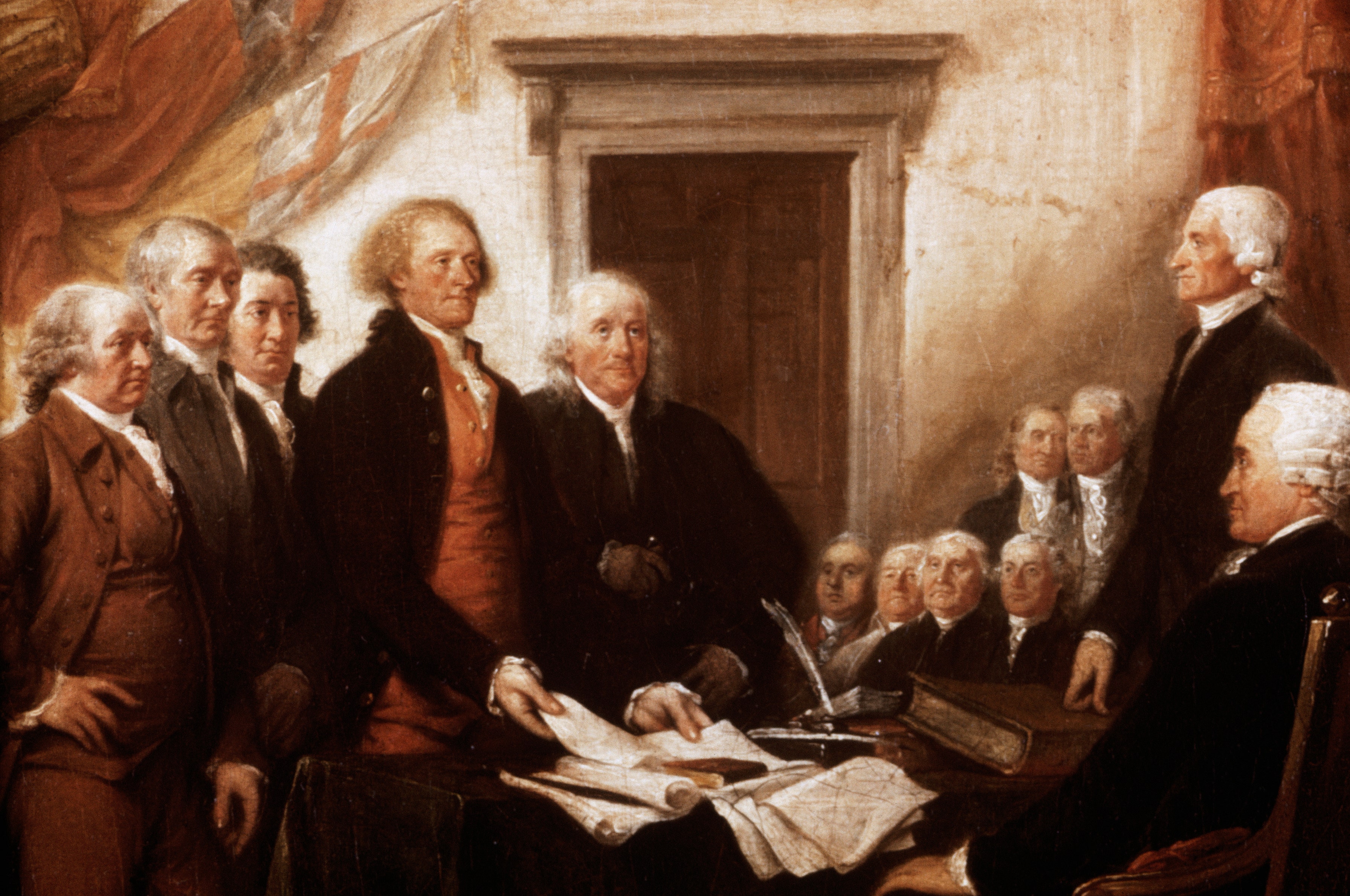
This is an opinion piece marking America's 250th anniversary that celebrates the Declaration of Independence and the 56 men who signed it. The author recounts Thomas Jefferson's role drafting the Declaration, describes the signers' personal sacrifices and wartime hardships, and calls the document both a political coup against empire and a spiritual revolution asserting human dignity and equal rights. The article credits the Declaration's ideals with reshaping global governance, expanding democracy, and enabling economic growth that lifted billions from poverty. It acknowledges the incomplete application of those ideals (for example, enslaved people and others were not immediately freed) but urges contemporary readers to defend and advance the Declaration's promise of life, liberty, and the pursuit of happiness.
Biblical Reflection
From a Christian pastoral perspective, the article rightly honors courage and the moral power of declaring human dignity — values that resonate with biblical teaching about the worth of every person. It is truthful that the Declaration was historically consequential and that many of its ideals have shaped later movements for freedom and human flourishing. At the same time, the piece is a patriotic opinion that minimizes the painful, ongoing realities the Founders tolerated or created (notably slavery, displacement of Indigenous peoples, and limits on who enjoyed rights). The article’s triumphal tone and causal link between the Declaration and global prosperity simplify a complex history in which liberty, justice, and economic benefit have been unevenly distributed. Christian discernment calls us to hold both truths together: celebrate legitimate advances toward dignity and freedom, while confessing and repairing the ways those advances have excluded and harmed neighbors. Christians should receive the article’s call to defend freedom but temper it with mercy, humility, and commitment to justice for the marginalized.
Scripture in context
This outlook does not yet include contextual Scripture citations. Do not treat a general biblical theme as an exegetical conclusion.
Faithful Response
No prescribed response is offered. Consider the reflection prompts below in your own church context.
Reflection and Discussion
- 1Which people and groups did the Declaration’s promises immediately exclude, and how should that shape our celebration of its legacy?
- 2How does patriotic pride risk becoming triumphalism when it overlooks injustice, and how should Christian humility correct that tendency?
- 3When an ideal like 'all men are created equal' is true in principle, what concrete obligations follow for Christians toward those still denied equality?
Sources
Reporting links are evidence inputs; Sanctuary News' biblical reflection is commentary.
This outlook currently relies on fewer than two linked sources. Broaden verification before teaching from it.
- 1.Original reportprimary