News Summary
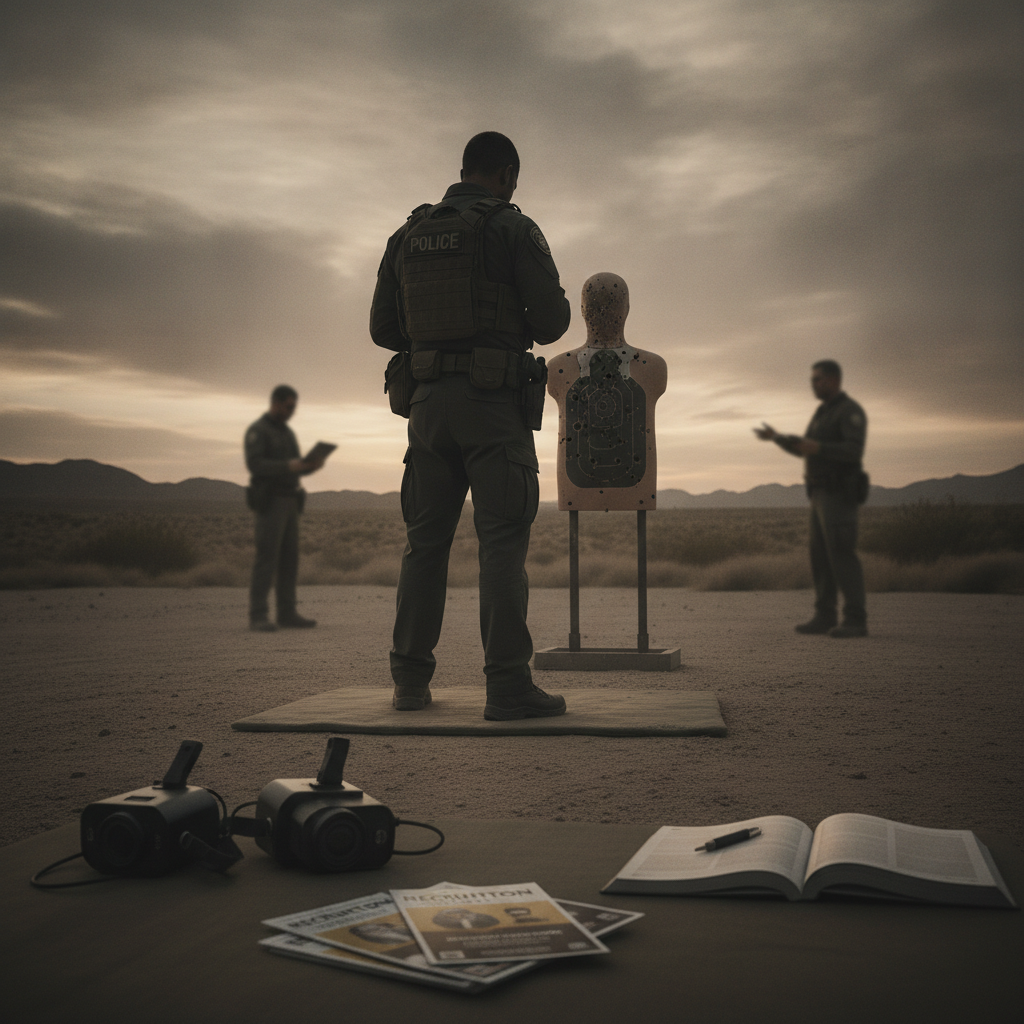
Reported facts: PBS NewsHour states two deadly shootings involving ICE officers occurred and that neither victim was an intended target; the report also says none of the officers involved were wearing body cameras. Attributed claims: the shootings ‘‘reignited protests’’ and ‘‘renewed questions’’ about ICE tactics, training, and recruitment (as reported by PBS); Amna Nawaz spoke with John Sandweg, a former acting ICE director, about the incidents. Uncertainties: the article does not provide detailed operational facts (locations, timelines, identities), outcomes of official investigations, or independent corroboration beyond the report.
Source and Framing Analysis
The PBS NewsHour piece foregrounds institutional and procedural questions (training, recruitment, body cameras) and includes commentary from a former ICE acting director, which frames the story toward systemic critique and policy implications. Material uncertainties remain because the article does not supply granular operational facts (who, where, when), official investigative findings, or multiple independent sources; that limits the ability to evaluate causation or responsibility fully. The framing emphasizes accountability and transparency, which is appropriate given the facts reported, but readers should note the piece does not present detailed follow-up evidence about investigations or departmental responses.
Biblical Reflection
The report raises legitimate concerns about public safety, transparency, and the protection of vulnerable people. From a Christian perspective, institutions that wield force bear a special responsibility to pursue truth, protect the innocent, and wear the humility to be held accountable. The absence of body-camera footage and the report that victims were not the intended targets point to systemic risks — both to civilians and public trust — that demand careful, evidence-based reform rather than partisan or sensational reaction. Christians should press for sober investigation, justice for victims, mercy for the grieving, and policies that reduce harm while supporting legitimate public safety needs.
Scripture in context
- 1Isaiah 1:17 — Isaiah addresses a community whose worship and outward religiosity have been decoupled from just actions toward the oppressed; the prophet calls for learning to do right and defend the vulnerable. — This passage underscores the biblical expectation that religious communities demand justice and protection for the vulnerable; applied here, it supports calling for accountability and better protection for civilians affected by enforcement operations.
- 2Luke 10:25-37 (Parable of the Good Samaritan) — Jesus tells a story that redefines ‘neighbor’ as anyone in need and emphasizes compassion across social boundaries, contrasting religious formality with concrete mercy. — The parable challenges believers to prioritize care for those harmed by violence and to cross social divides to provide practical help—urging churches to minister to victims and communities affected by state force without partisan division.
Faithful Response
Pray publicly and privately for victims, families, officers involved, investigators, and policymakers.
Seek reliable information and support independent, impartial investigations rather than relying on rumor or partisan narratives.
Advocate for concrete reforms that reduce harm (e.g., transparency measures such as body cameras, improved de-escalation and cultural competency training) while recognizing legitimate public safety needs.
Provide pastoral care and practical support to affected families and communities, including referrals to legal and social services.
Reflection and Discussion
- 1When state violence harms innocent people, how should the church call for both accountability and mercy in a way that fosters community healing?
- 2What concrete reforms should Christians support that reduce harm while preserving legitimate public-safety functions?
- 3How can congregations be present to immigrant neighbors in ways that reflect both justice and compassion?
Sources
Reporting links are evidence inputs; Sanctuary News' biblical reflection is commentary.
This outlook currently relies on fewer than two linked sources. Broaden verification before teaching from it.
- 1.Deadly shootings by ICE officers renew scrutiny of recruitment and trainingprimary_reporting