News Summary
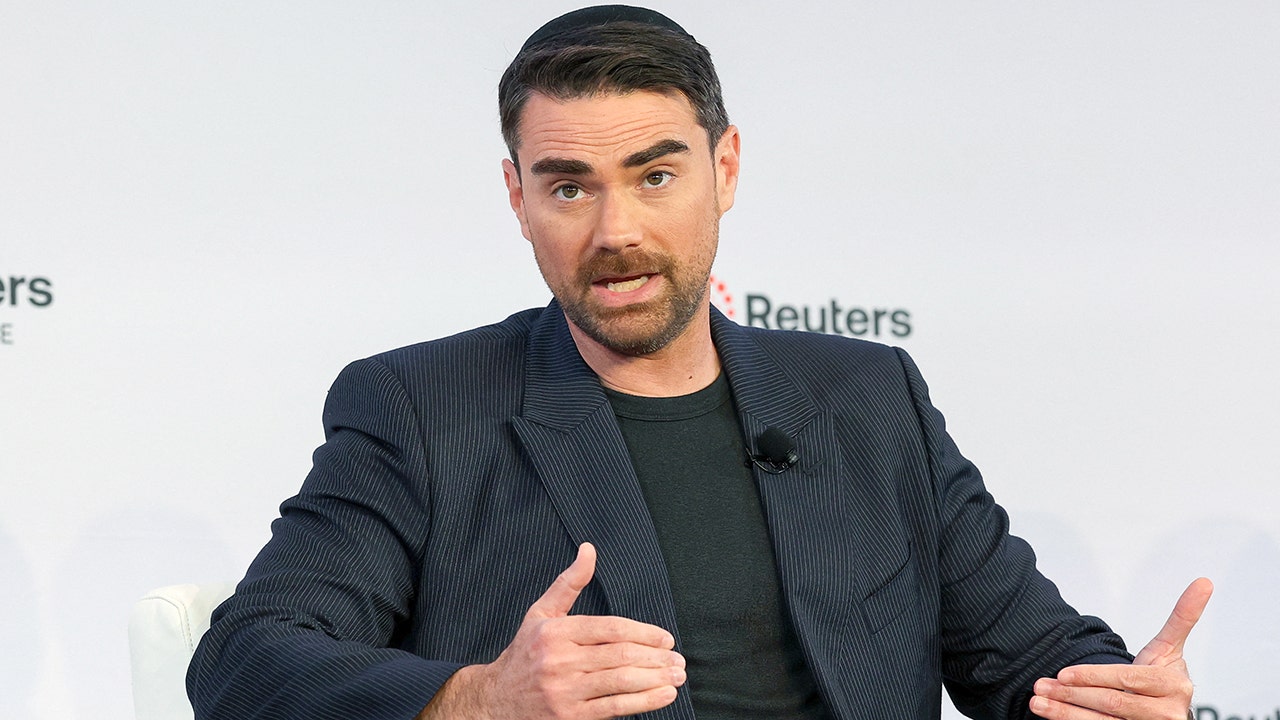
The article reports on the heated debate over Israel and antisemitism at Turning Point USA's AmericaFest 2025 conference. Conservative commentator Ben Shapiro criticized Tucker Carlson for giving a platform to controversial figures, while Steve Bannon labeled Shapiro a 'cancer.' The central issue revolves around the fine line between legitimate criticism of Israel and antisemitism, a distinction that remains highly contentious. At a Shabbat dinner during the conference, Rabbi Pesach Wolicki focused on religious themes, while also addressing the controversy by denying Bannon's antisemitism. Meanwhile, speakers like Megyn Kelly discussed the passionate stances of pro-Israel activists, emphasizing that support for Israel shouldn't dictate broader conservative opinions. The divide is marked by calls for exclusion within the movement, with fears that unity is being undermined by personal animosities and public disputes. Despite the vocal debate, many attendees reportedly consider the issue peripheral, though the article notes the broader implications for U.S. politics and future support for Israel. The article concludes by suggesting that unity, not division, should be the focus for conservatives.
Biblical Reflection
From a biblical perspective, the article illustrates the dangers of division, pride, and harsh judgment within a community. Scripture calls believers to avoid 'foolish controversies' and to pursue unity and peace (Titus 3:9, Romans 12:18). The strong language and public condemnation on both sides exemplify how pride and ego can overshadow the pursuit of truth and love. The debate over Israel and antisemitism is an important issue, but when it devolves into personal attacks and factionalism, it distracts from the Christian call to love one another and to 'speak the truth in love' (Ephesians 4:15). The tendency to label and excommunicate fellow image-bearers is contrary to Christ's teaching to seek reconciliation and understanding (Matthew 5:23-24). Furthermore, the article's mention of genuine fear and historical trauma among Jews should be met with empathy, compassion, and a commitment to justice, as the Bible repeatedly commands care for the marginalized and oppressed (Micah 6:8). Christians are called to be peacemakers, to listen well, and to stand against hatred in all its forms, while also recognizing the importance of honest debate and discernment.
Scripture in context
This outlook does not yet include contextual Scripture citations. Do not treat a general biblical theme as an exegetical conclusion.
Faithful Response
No prescribed response is offered. Consider the reflection prompts below in your own church context.
Reflection and Discussion
- 1Am I seeking to understand and bring peace in conversations about contentious issues, or am I contributing to division and strife?
- 2How can I show compassion to those who feel marginalized or threatened, even if I do not share their perspective?
- 3Do my words and actions reflect Christ’s call to unity, truth, and love in the midst of disagreement?
Sources
Reporting links are evidence inputs; Sanctuary News' biblical reflection is commentary.
This outlook currently relies on fewer than two linked sources. Broaden verification before teaching from it.
- 1.Original reportprimary