News Summary
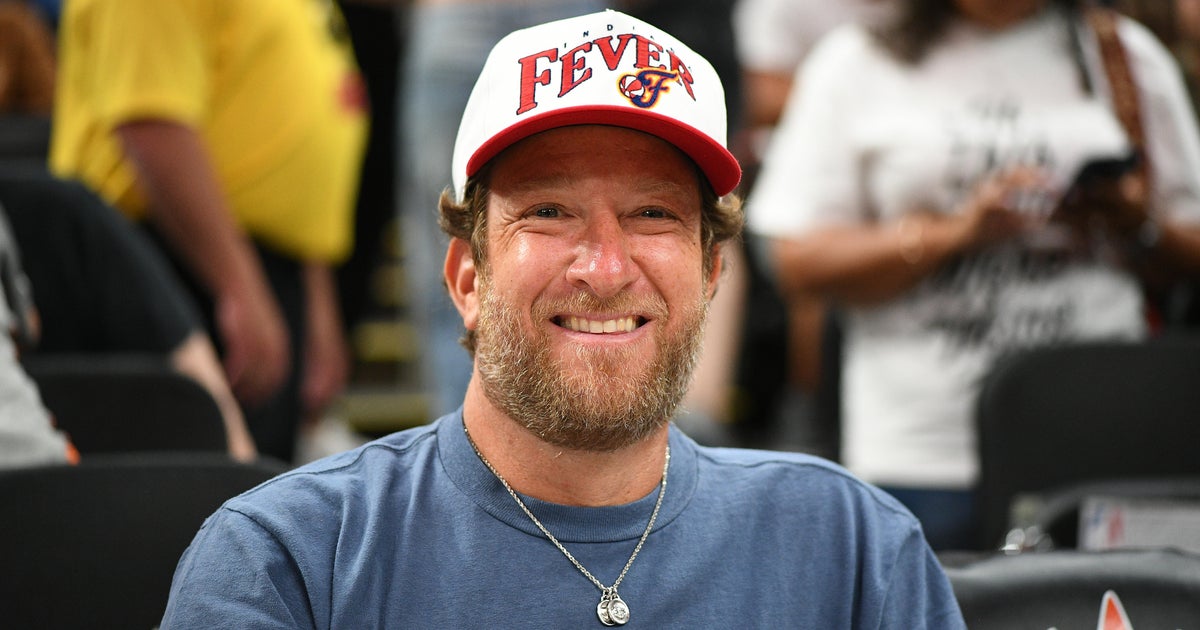
Dave Portnoy, founder of Barstool Sports, discussed his new memoir Cancel Me If You Can on CBS Saturday Morning. He described leaving a sales job to launch Barstool as a free four-page sports paper and gradually building it into a larger media company by hiring and promoting young talent, including Alex Cooper. Portnoy said he modeled Barstool’s approach after Saturday Night Live, hoping to develop talent who might later move on. He explained the company’s business approach of signing talent to contracts, monetizing their rise, and then deciding whether to re-sign them. Portnoy highlighted the Barstool Fund, which he said helped more than 400 businesses during the coronavirus pandemic. He also said he has considered entering politics — including a possible New York City mayoral run — and has publicly endorsed President Trump, describing political engagement as a civic duty. Portnoy said he does not expect critics to understand him, that he is finished writing books after this memoir, and that he wanted to create a record of Barstool’s founding.
Biblical Reflection
This article profiles a high-profile media entrepreneur and mixes straightforward business origin story with notes about political engagement and charitable activity. From a Christian perspective, there are both commendable and cautionary elements. The entrepreneurial drive, risk-taking to leave unsatisfying work, and the Barstool Fund’s support for struggling small businesses reflect stewardship, creativity, and service that can bless neighbors. At the same time, Barstool’s public brand trades on provocation and polarizing authenticity; the article normalizes the idea that being blunt or abrasive is simply part of being “authentic” and that popularity or monetization justifies platform practices. Christians should note the power dynamics of media platforms: they can launch careers and provide aid, but they also shape public conversation and can amplify division. The piece gives limited attention to the ethical responsibilities that accompany influence—accountability, concern for the vulnerable who may be harmed by rhetoric, and the call to speak truth with love. Readers should weigh Portnoy’s positive charitable outcomes and talent development against the broader social effects of a media model that prizes notoriety and monetization over reconciliation, humility, and careful speech.
Scripture in context
This outlook does not yet include contextual Scripture citations. Do not treat a general biblical theme as an exegetical conclusion.
Faithful Response
No prescribed response is offered. Consider the reflection prompts below in your own church context.
Reflection and Discussion
- 1Do we accept 'authenticity' as a sufficient justification for abrasive or harmful public behavior, and how should Christians distinguish honesty from needless provocation?
- 2How does celebrating entrepreneurial success without examining platform responsibilities shape our view of public leaders and media figures?
- 3When a media figure mixes charity with partisan political engagement, how should Christians evaluate both the good done and the ethical responsibilities still owed to the broader community?
Sources
Reporting links are evidence inputs; Sanctuary News' biblical reflection is commentary.
This outlook currently relies on fewer than two linked sources. Broaden verification before teaching from it.
- 1.Original reportprimary