News Summary
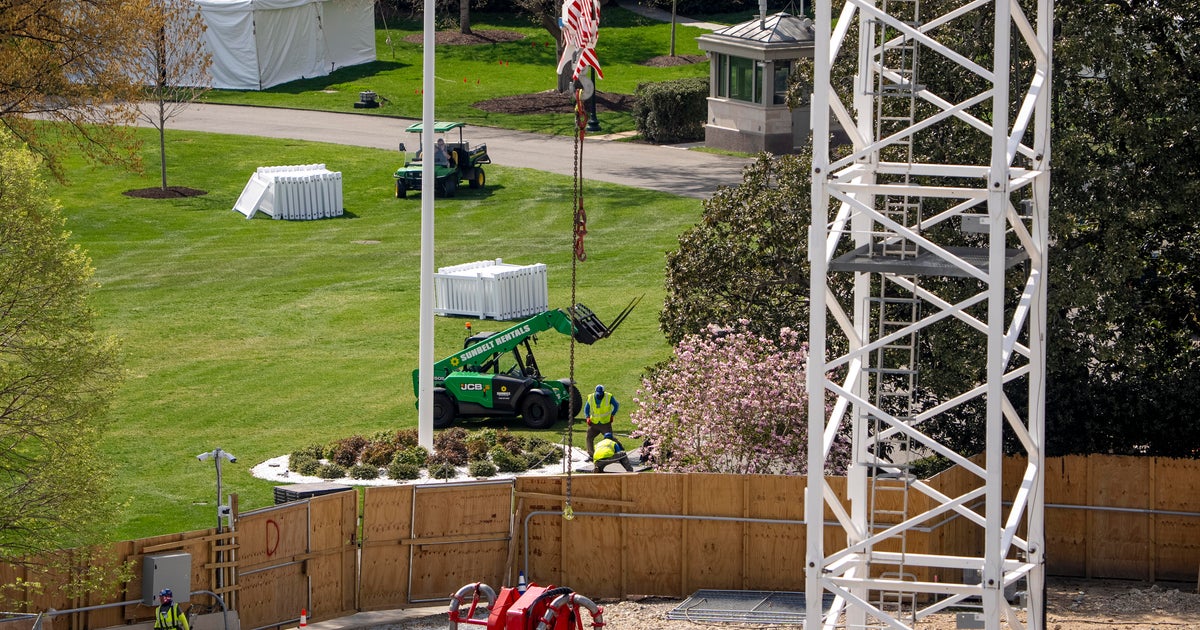
A U.S. Court of Appeals for the D.C. Circuit panel ruled that the district judge must clarify whether and how his injunction halting construction on President Trump's planned White House ballroom affects national security. On March 31, U.S. District Judge Richard Leon barred further work on the $400 million ballroom without congressional approval but temporarily exempted construction necessary for White House safety and security; enforcement of his order was briefly delayed to allow an appeal. The appeals court extended the delay to April 17 for possible Supreme Court review, then returned the case to Judge Leon, saying the record is insufficient to determine which parts of the project can be suspended without endangering the president, his family or staff. The administration says the project includes below-ground security features—bomb shelters, military installations, a medical facility, and systems to guard against drones, ballistic threats and biohazards—and argues halting that work would imperil safety. The preservation group National Trust for Historic Preservation sued after the East Wing was demolished in December to make way for the ballroom. Judge Leon found the preservation group likely to prevail on the claim that the president lacks statutory authority to undertake the project without congressional approval. The appeals panel included Judges Patricia Millett, Neomi Rao, and Bradley Garcia; Rao dissented, citing a statute she said permits presidential improvements and noting government evidence of security vulnerabilities that could be prolonged by halting work. The White House says aboveground construction would begin in April and that aboveground work is privately funded while public funds are being used for underground security upgrades. Various oversight and preservation bodies have issued approvals or are awaiting clarification.
Biblical Reflection
From a Christian perspective this story raises questions about stewardship, authority, and the right ordering of power. The judge’s line that the President is steward and not owner echoes biblical concern for responsible stewardship of public goods (leaders are accountable to others and to law). Claims of urgent security needs must be taken seriously—protecting life is a moral responsibility—but such claims can also be used to compress normal processes of oversight, consultation, and accountability. Christians should look for honesty in public claims (are security needs documented and narrowly tailored?) and for humility in leadership (does the administration seek proper authorization and public input when altering shared heritage?). The legal process—courts asking for clearer factual records about security implications—reflects a prudential attempt to balance legitimate safety needs with the rule of law and civic stewardship. Be cautious of partisan framing that treats either security assertions or preservation arguments as purely political; both concerns have moral weight. Pray for truth, transparency, and that leaders would value stewardship and the common good above personal preference or speed.
Scripture in context
This outlook does not yet include contextual Scripture citations. Do not treat a general biblical theme as an exegetical conclusion.
Faithful Response
No prescribed response is offered. Consider the reflection prompts below in your own church context.
Reflection and Discussion
- 1Are security claims being presented with clear, verifiable facts, or are they framed in a way that short-circuits ordinary oversight and accountability?
- 2How does the language of stewardship (the President as steward, not owner) shape the ethical expectations we should hold for leaders who alter shared public heritage?
- 3When institutions assert urgent needs, what standards should Christians look for to distinguish legitimate protection of life from the instrumentalization of 'security' to avoid scrutiny?
Sources
Reporting links are evidence inputs; Sanctuary News' biblical reflection is commentary.
This outlook currently relies on fewer than two linked sources. Broaden verification before teaching from it.
- 1.Original reportprimary