News Summary
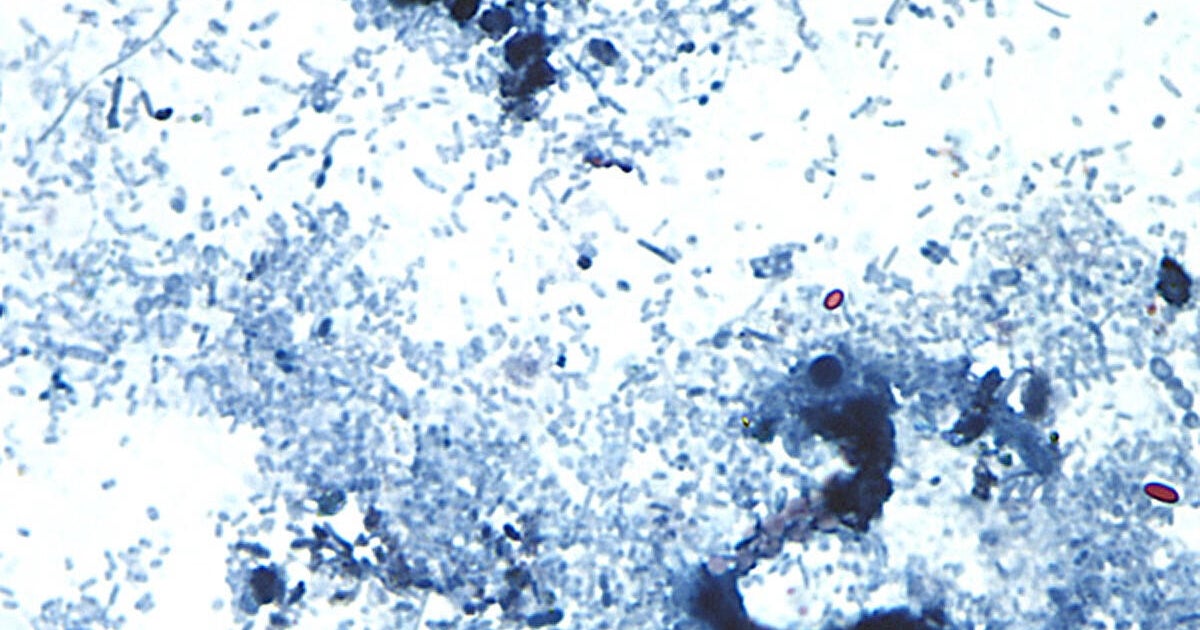
Michigan has reported 992 confirmed cases of cyclosporiasis as of mid-June, making this the largest cyclospora outbreak in the state's history; about 40 people have been hospitalized and no deaths have been reported. Investigations are examining similar illnesses in more than two dozen states, with 17 states reporting confirmed cases from early May to June 16 and regional clusters in northwest Ohio (more than 400 cases) and Lucas County (306 cases). The source of the infections has not been identified. Cyclospora is a parasite that causes prolonged watery diarrhea and is typically transmitted when fresh produce or water has been contaminated with feces; past U.S. outbreaks have been linked to items like bagged salad mixes, cilantro, basil, raspberries and scallions. Detection is difficult because some routine tests miss cyclospora, the organism cannot be grown in labs, and contaminated ingredients can be widely distributed, so investigations can take months and sometimes find no clear source. The CDC and state health officials do not consider this a national emergency, say there is no evidence the parasite has become more infectious, and note case counts may be higher in places with aggressive testing and reporting. Most infected people recover with hydration and, when needed, antibiotic treatment; public health guidance stresses washing produce, preferring whole heads of lettuce over prewashed mixes, removing outer leaves, and cooking vegetables when possible.
Biblical Reflection
The article reports a real public-health problem without overstating fatalities or panic; its emphasis on unknown source, testing limits, and past produce-linked outbreaks points readers toward measured vigilance rather than alarmism. From a Christian perspective, this situation calls for truth-seeking (careful attention to accurate reporting and public-health guidance), compassion for those ill and for workers in food supply chains who may be affected, and humility about uncertainty—especially where detection gaps and structural issues (distribution systems, water sanitation, climate impacts) complicate answers. Christians should resist sensational language that stokes fear and instead prioritize neighbor-love: support for the sick, cooperation with public-health measures, and advocacy for safer food and water systems for vulnerable communities. The piece shows institutional transparency in reporting but also highlights how reporting differences can shape perception; readers should weigh both local case-finding intensity and national surveillance lags when gauging scope.
Scripture in context
This outlook does not yet include contextual Scripture citations. Do not treat a general biblical theme as an exegetical conclusion.
Faithful Response
No prescribed response is offered. Consider the reflection prompts below in your own church context.
Reflection and Discussion
- 1Are we allowing fear or headlines to drive our response, or are we guided by clear facts and public-health expertise?
- 2What structural factors—like supply chains, worker protections, and water safety—might this outbreak reveal about how we care for vulnerable communities?
- 3How does differential testing and reporting between places shape our perception of where a problem truly lies?
Sources
Reporting links are evidence inputs; Sanctuary News' biblical reflection is commentary.
This outlook currently relies on fewer than two linked sources. Broaden verification before teaching from it.
- 1.Original reportprimary