News Summary
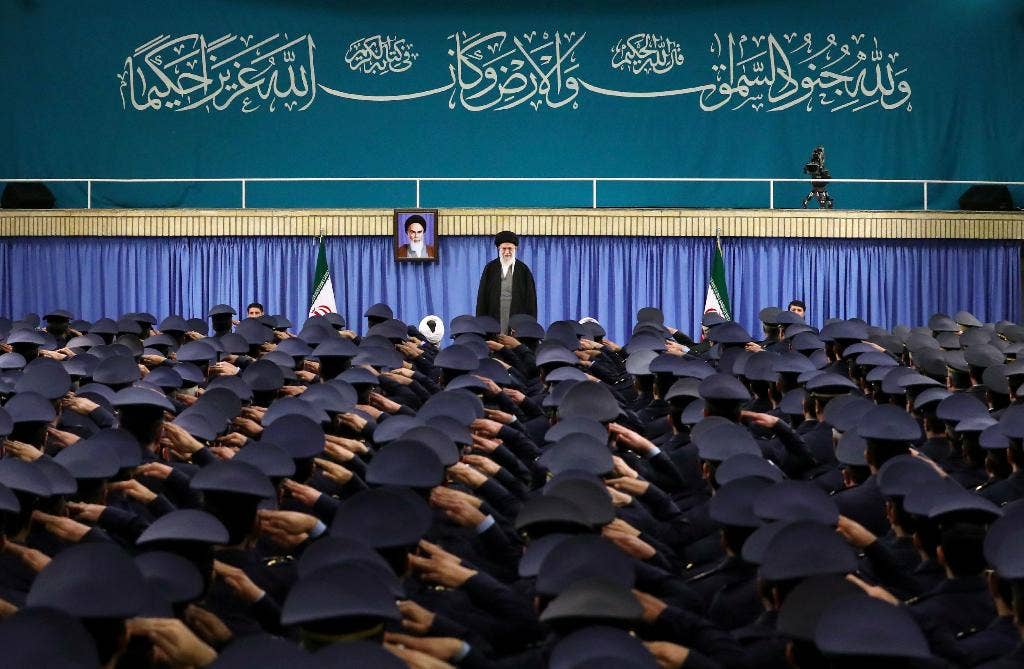
Fox News Digital published an analysis based largely on interviews with critics and former insiders claiming Iran’s ruling system is sustained less by a single leader than by an institutional ideology that fuses political power with religious mission. Iranian journalist Mehdi Ghadimi described lifelong indoctrination—through schools, mosques and state media—that presents Iran’s leadership as part of a divinely chosen group tasked with ‘‘reviving God’s religion’’ and preparing for the return of the Mahdi, a messianic figure in Twelver Shiʿism. Analysts quoted in the piece (including Lisa Daftari and Kasra Aarabi) argue that framing the supreme leader as custodian of the Hidden Imam gives his decisions a sacred dimension, making compromise politically and religiously difficult. The article links a cohort of IRGC commanders and hardline politicians to wartime experiences and a worldview that blurs religious and security objectives. Critics assert this messianic-political framework can justify repression at home and aggressive policies abroad; one source compared the rhetoric to extremist groups, alleging it can sanctify violence. The story also notes an Iranian official’s warning that economic collapse and wartime destruction breed long-term resentment and cycles of hostility. The piece was written by Efrat Lachter for Fox News Digital.
Biblical Reflection
This article raises a real and important question: what happens when religious conviction is institutionalized to legitimize political power? The piece presents credible concerns—indoctrination from childhood, fusion of clerical authority with state coercion, and use of messianic language to delegitimize dissent—any of which can entrench injustice and fuel violence. At the same time, readers should note the article’s heavy reliance on critics and former insiders; there are few direct quotes from current clerical authorities and limited primary-source evidence of policy decisions explicitly tied to the Mahdi doctrine. That creates a risk of overstating uniformity inside Iran or of conflating the beliefs of many ordinary Shia Muslims with the political strategies of regime actors. From a biblical perspective, the core problem is not religion itself but the idolatrous use of religion to seize power, silence dissent, or justify harm (cf. warnings against religious hypocrisy and wielding spiritual language for domination). Christians must therefore distinguish between (a) faithful religious conviction that humbly submits to God and seeks justice and mercy, and (b) political religion that claims divine warrant for oppression or violence. The article rightly points to the practical difficulty negotiators face when an opponent frames compromise as betrayal of sacred purpose. But Christian response should avoid demonizing all who share the faith of those in power; Scripture calls us to pray for rulers, seek the welfare of the oppressed, and pursue peace and justice. Discernment requires sober attention to evidence, guarded critique of political religion, and compassion for civilians who suffer under violent or repressive systems.
Scripture in context
This outlook does not yet include contextual Scripture citations. Do not treat a general biblical theme as an exegetical conclusion.
Faithful Response
No prescribed response is offered. Consider the reflection prompts below in your own church context.
Reflection and Discussion
- 1How does the fusion of religious language and state authority change the space for disagreement and accountability within a society?
- 2What evidence would distinguish sincere theological belief from political rhetoric that uses messianic language as a tool for preserving power?
- 3When criticizing a regime that claims religious legitimacy, how can Christians avoid treating a whole faith community as morally culpable for the actions of its rulers?
Sources
Reporting links are evidence inputs; Sanctuary News' biblical reflection is commentary.
This outlook currently relies on fewer than two linked sources. Broaden verification before teaching from it.
- 1.Original reportprimary