News Summary
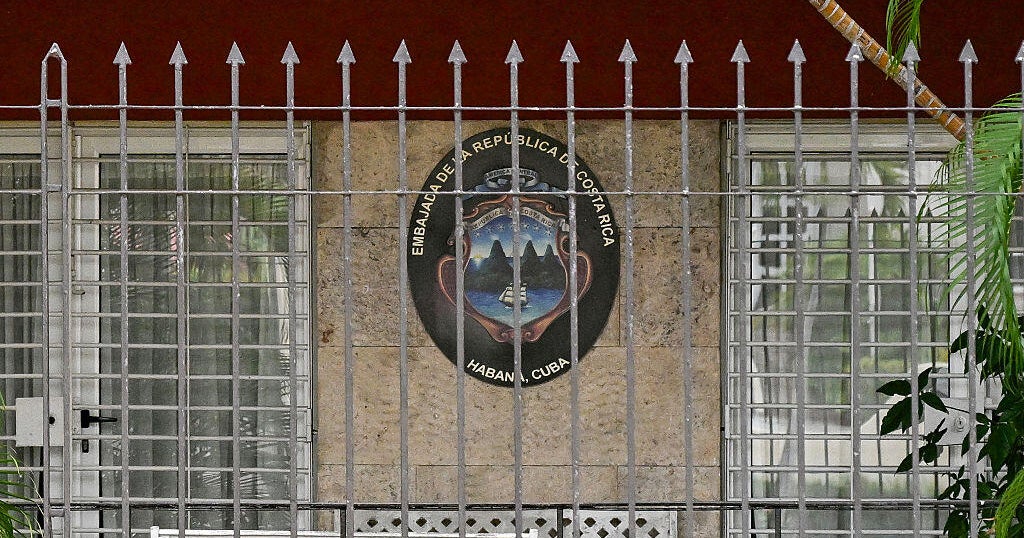
On March 18, 2026, Costa Rica announced the closure of its embassy in Havana and requested that Cuba withdraw its diplomatic staff from San José (except consular officials). President Rodrigo Chaves framed the action with strong anti-communist language, saying "We have to clean out communists from the hemisphere." Foreign Minister Arnoldo Andre Tinoco justified the move by citing "deep concern" over a sustained deterioration of human rights in Cuba and increased repression of activists and dissidents. The Cuban embassy in the United States suggested Costa Rica acted under U.S. pressure. The decision follows similar actions by Ecuador, which recently expelled Cuba's ambassador. The article also notes growing tensions between the U.S. and Cuba, including statements by former President Donald Trump suggesting he may take aggressive action toward Cuba, while Cuban President Miguel Díaz-Canel warned any aggressor would face staunch resistance. The report places the diplomatic rupture in the context of Cuba's domestic energy shortages, island-wide blackouts, and recent protests.
Biblical Reflection
From a Scriptural perspective, this story raises two overlapping concerns: the pursuit of justice for the oppressed and the risks of harsh rhetoric and politicized retribution. The Costa Rican government's stated motive—concern for human rights and repression—aligns with biblical commands to defend the vulnerable and speak up for those who cannot speak for themselves (e.g., Proverbs 31:8–9; Isaiah 1:17). Christians should welcome efforts that seek to alleviate suffering and hold oppressive actors accountable.
At the same time, language like "clean out communists from the hemisphere" and talk of "taking" another nation veers toward dehumanization, triumphalism, and potential militarism. Scripture repeatedly warns against pride, vengeance, and the temptation to exalt political power as an end in itself (James 4:6–8; Romans 12:17–21). Jesus calls his followers to be peacemakers (Matthew 5:9) and to love enemies (Matthew 5:44), which does not negate a call to justice but does temper how Christians engage politically: pursuing justice with mercy, humility, and restraint.
Practically, the Christian response should include honest advocacy for human rights and for humanitarian relief to those suffering in Cuba—energizing compassion and concrete help—while resisting dehumanizing rhetoric and blind alignment with any political leader or power. We should pray for truth to surface, for peaceful solutions that protect civilians, and for leaders to act with wisdom rather than vengeance. Finally, Christians must remain attentive to the people harmed by political maneuvers—refugees, prisoners, the poor—seeking avenues of mercy and service regardless of political affiliation.
Scripture in context
This outlook does not yet include contextual Scripture citations. Do not treat a general biblical theme as an exegetical conclusion.
Faithful Response
No prescribed response is offered. Consider the reflection prompts below in your own church context.
Reflection and Discussion
- 1Am I more inclined to celebrate assertive political action or to pray for mercy and restraint when nations clash, and why?
- 2Where can I advocate or serve so that people harmed by political conflict receive justice and compassion?
- 3How can I hold leaders accountable for human rights without dehumanizing those with different political beliefs?
Sources
Reporting links are evidence inputs; Sanctuary News' biblical reflection is commentary.
This outlook currently relies on fewer than two linked sources. Broaden verification before teaching from it.
- 1.Original reportprimary