News Summary
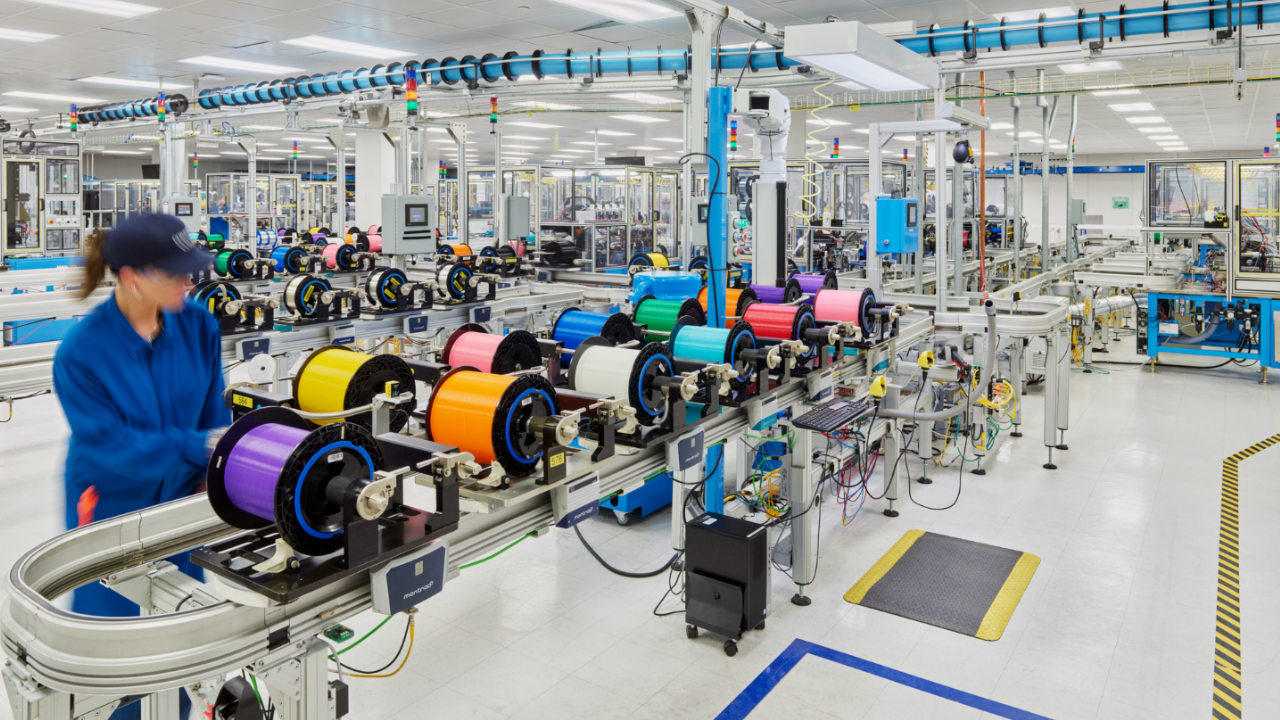
Corning, a 175-year-old U.S. manufacturer, is expanding optical-fiber production to meet rising demand tied to artificial intelligence systems. In partnership with NVIDIA, Corning plans to build three advanced optical manufacturing facilities in North Carolina and Texas, which the companies say will create more than 3,000 jobs and expand Corning’s U.S. optical manufacturing capacity roughly tenfold. Corning CEO Wendell Weeks stated the company is experiencing its fastest growth period and expects most new hires to be in advanced manufacturing in the U.S. Corning employees described increased demand on factory floors. The article also notes foreign firms such as Taiwan-based Wistron are investing in U.S. AI-related manufacturing for NVIDIA, citing speed, resilience, and strategic advantages of domestic production. The piece quotes corporate leaders and workers and frames the expansion as part of a broader AI infrastructure buildout.
Biblical Reflection
The report highlights a real economic opportunity: investment in physical infrastructure can create manufacturing jobs and strengthen supply chains. The article leans on corporate voices and optimistic framing, which is valid for reporting announced investments but risks understating broader complexities—such as the kinds of jobs created (wage levels, permanence, skill requirements), potential labor displacement elsewhere from automation or AI, environmental impacts of new facilities, and the geopolitical motives behind reshoring. From a Christian perspective, this development can be welcomed when it honors the dignity of work, provides fair wages, and serves the common good. We should celebrate innovation that creates livelihoods and national resilience, but also resist uncritical techno-optimism. Truth requires asking whether promises will translate into secure, livable jobs and whether communities harmed by technological change receive care and retraining. Mercy and neighbor-love call churches and civic leaders to advocate for workers, to steward creation responsibly, and to ensure that economic growth does not leave vulnerable people behind.
Scripture in context
This outlook does not yet include contextual Scripture citations. Do not treat a general biblical theme as an exegetical conclusion.
Faithful Response
No prescribed response is offered. Consider the reflection prompts below in your own church context.
Reflection and Discussion
- 1Who benefits from this investment beyond company shareholders—do workers, local communities, and the environment share in the gains?
- 2Are the jobs being promised durable and well-paid, and what plans exist for training or supporting workers displaced by automation?
- 3How does the narrative of national competitiveness shape the story, and does it obscure responsibilities toward global neighbors and creation care?
Sources
Reporting links are evidence inputs; Sanctuary News' biblical reflection is commentary.
This outlook currently relies on fewer than two linked sources. Broaden verification before teaching from it.
- 1.Original reportprimary