News Summary
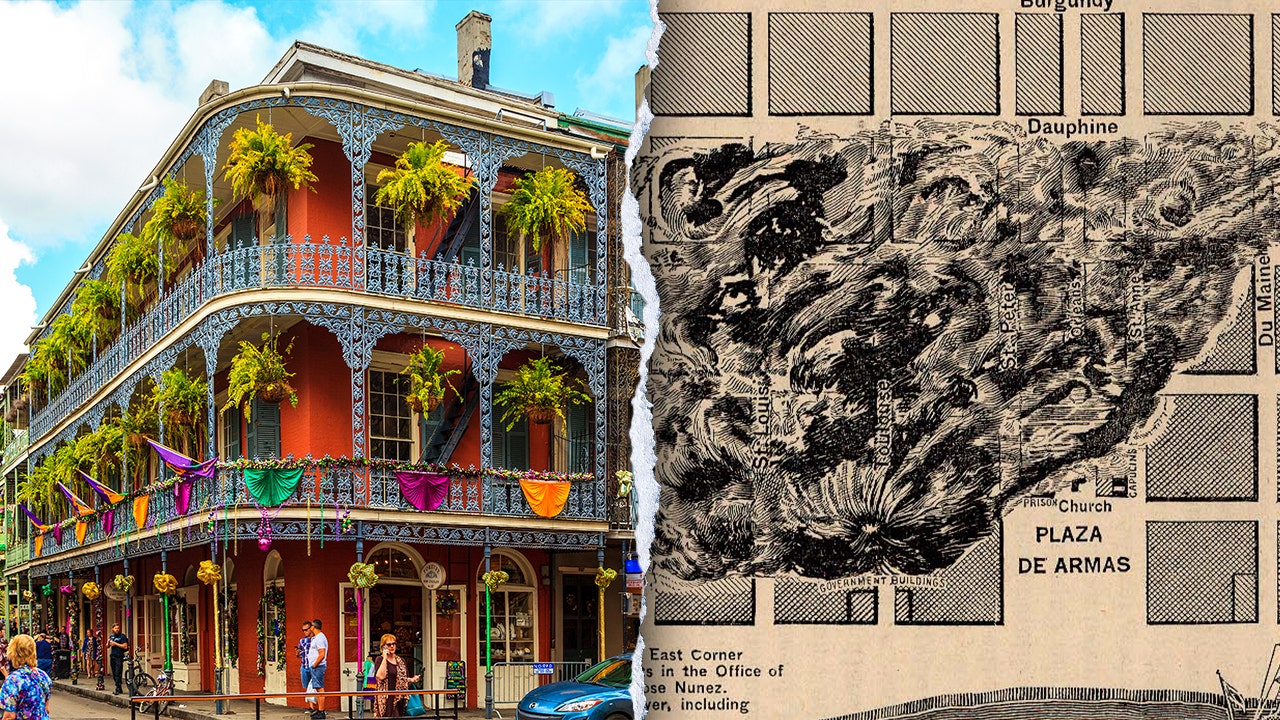
During a $9 million water main replacement project on St. Peter Street in New Orleans' French Quarter, construction crews uncovered a trove of artifacts and evidence of two major historic fires from the late 1700s. These included about 1,000 objects, such as nails, buttons, coins, glass, and buckles, along with a distinct layer of burnt clay. These findings are believed to be remnants from the Fire of 1788, which destroyed over 800 buildings, and the Fire of 1794, which claimed more than 200 structures. The artifacts provide a new window into the devastation and subsequent rebuilding of New Orleans. The items and burn layers are now being analyzed by archaeologists to better understand the extent of the destruction and the city's recovery history. This discovery adds to New Orleans' reputation as a city with a deep, layered past often revealed through archaeological finds.
Biblical Reflection
This discovery is a vivid reminder of the impermanence of human achievement and the resilience that communities must show in the face of destruction. Scripture is filled with stories of cities rising, falling, and being rebuilt—often serving as metaphors for spiritual renewal and God's faithfulness through adversity. The biblical narrative does not shy away from disaster; rather, it frames such events within God's larger plan for redemption and restoration. The uncovering of these layers in New Orleans can prompt us to reflect on the cycles of loss and renewal in our own lives. Like the citizens of ancient Jerusalem who rebuilt their walls after destruction (Nehemiah), or the early church rising from persecution, New Orleans' history echoes the biblical call to persevere and rebuild with hope. These artifacts are not just remnants of tragedy, but testimonies of a community's endurance and the enduring value of remembering and learning from the past.
Scripture in context
This outlook does not yet include contextual Scripture citations. Do not treat a general biblical theme as an exegetical conclusion.
Faithful Response
No prescribed response is offered. Consider the reflection prompts below in your own church context.
Reflection and Discussion
- 1How do times of destruction or loss shape your faith and perspective?
- 2In what ways can remembering the past help you or your community rebuild with wisdom and hope?
- 3Are there areas in your life where God may be calling you to rebuild or restore what has been damaged?
Sources
Reporting links are evidence inputs; Sanctuary News' biblical reflection is commentary.
This outlook currently relies on fewer than two linked sources. Broaden verification before teaching from it.
- 1.Original reportprimary