News Summary
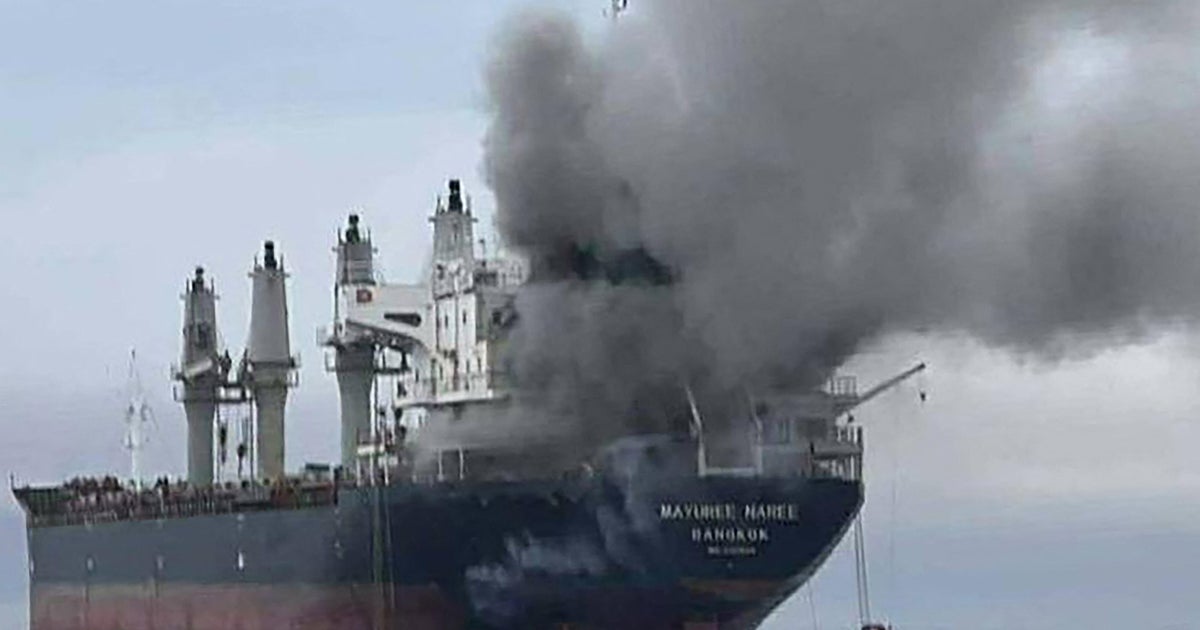
During a 109-day regional conflict, both U.S. and Iranian forces have detained and attacked commercial vessels in and near the Strait of Hormuz. At least 14 commercial mariners have died; among them were three Indian nationals killed in a recent U.S. strike and a fourth Indian mariner who died aboard the MT Celestial Sea. Business intelligence firm Kpler reports about 600 vessels remain trapped in the Persian Gulf; shipping companies predict weeks to months before normal traffic resumes. India reports nearly 18,000 Indian seafarers are still in the region. Trapped crews have faced shortages of food, water, medical care, and threats of attack; some have been detained or redirected by military authorities. CENTCOM says it has disabled nine ships and turned back 135 for failing to comply with its blockade. Unions and the International Transport Workers’ Federation are calling for evacuation, repatriation, investigations into strikes that caused casualties, and compensation for victims’ families. Coordinated evacuation and repatriation do not appear imminent despite a U.S.-Iran deal reportedly due to be signed that may ease conditions.
Biblical Reflection
This story centers on the human toll borne by largely invisible, noncombatant workers caught between rival military efforts. The article reports credible claims of deaths, suffering, and stalled repatriation, relying on union statements, government accounts, and business data. Christians should be especially attentive to how security objectives can dehumanize persons who are not part of the fighting. The narrative rightly highlights calls for accountability and humanitarian action, but readers should note the heavy reliance on union and Indian government sources and the absence of detailed independent investigations of specific strikes. Biblically, the situation raises concerns about justice for the vulnerable, the moral limits of military force, and the duty to care for foreigners and workers in distress. Practically, the church can pray, advocate for transparent investigations and humane evacuation, and support organizations aiding stranded seafarers.
Scripture in context
This outlook does not yet include contextual Scripture citations. Do not treat a general biblical theme as an exegetical conclusion.
Faithful Response
No prescribed response is offered. Consider the reflection prompts below in your own church context.
Reflection and Discussion
- 1Whose humanity becomes invisible when states prioritize security measures, and how should that shape our response?
- 2What questions should we ask about accountability and transparency when military actions harm civilians at sea?
- 3How does the article’s sourcing (unions, government statements, military accounts) shape which voices are heard and which are missing?
Sources
Reporting links are evidence inputs; Sanctuary News' biblical reflection is commentary.
This outlook currently relies on fewer than two linked sources. Broaden verification before teaching from it.
- 1.Original reportprimary