News Summary
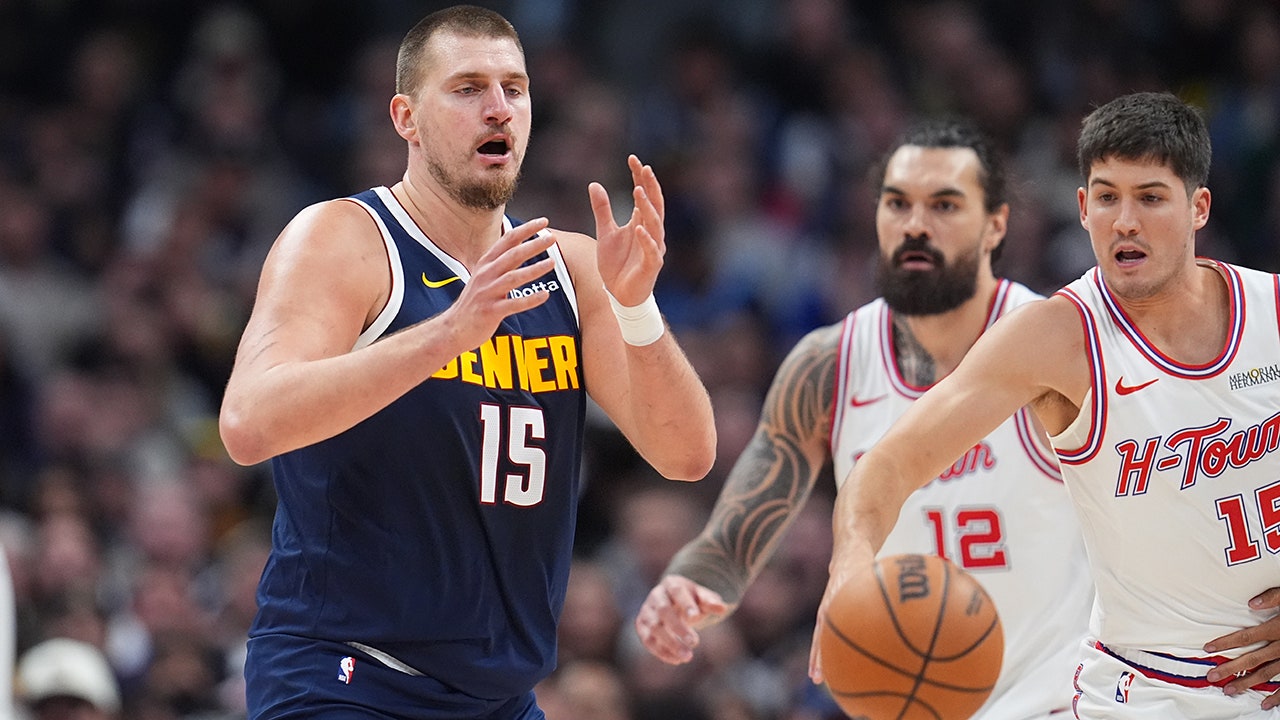
The Denver Nuggets were eliminated in the first round of the 2026 NBA playoffs by the Minnesota Timberwolves in six games. Nikola Jokic averaged 25.8 points per game on 44.6% shooting in the series. The Timberwolves' Anthony Edwards suffered a series-ending injury during the matchup. Following the elimination, several sports commentators publicly criticized or mocked Jokic. The article cites specific examples: former ESPN broadcaster Mark Jones mocked Jokic; ESPN analyst Kendrick Perkins said Jokic had been "exposed" and suggested some observers favor white players in MVP voting; Paul Pierce and broadcaster Dan Patrick offered hypothetical comparisons to LeBron James, arguing that a player of LeBron’s stature would face harsher criticism for a similar exit. The article argues that some post-series commentary has become excessive, that comparisons to LeBron are misleading because of differences in fame and public scrutiny, and that framing Jokic as "protected" because he is White is inaccurate. The author contends that the gloating and race-focused framing tell us more about sports media culture than about Jokic’s performance.
Biblical Reflection
From a Christian perspective, this story touches on truth-telling, fairness, and the temptation toward sensationalism. Public accountability of public figures is legitimate—players can be evaluated on performance and leadership—but commentary that slides into mockery, stereotyping, or presumptive motive‑assigning is spiritually dangerous. Scripture consistently warns against slander, partiality, and harsh judgment (e.g., avoid bearing false witness and hasty accusations). At the same time, Christians should avoid reflexively dismissing legitimate criticism by accusing critics of bad motives when evidence for bias is not established. Two common sinful tendencies appear in modern sports media: (1) using charged narratives (including racial framing) to inflame audiences and increase engagement, and (2) elevating or attacking personalities in ways that dehumanize them. Both undermine charity, humility, and a search for objective truth. A faithful Christian response is to call for honest, evidence-based critique delivered with humility and to resist participating in gloating or identity‑based attacks. We should pray for journalists and commentators to pursue truth over clicks, for fans to seek fair perspective, and for athletes to be seen as image-bearers worthy of dignity even when held accountable.
Scripture in context
This outlook does not yet include contextual Scripture citations. Do not treat a general biblical theme as an exegetical conclusion.
Faithful Response
No prescribed response is offered. Consider the reflection prompts below in your own church context.
Reflection and Discussion
- 1What specific evidence separates fair performance-based criticism from commentary that weaponizes race or personal identity to inflame audiences?
- 2How might the media incentives for clicks and engagement shape which narratives (hero, villain, victim, protected) gain traction in sports coverage?
- 3Are we quick to assign bad motives to commentators we disagree with, and how does that affect our ability to pursue truth and charity?
Sources
Reporting links are evidence inputs; Sanctuary News' biblical reflection is commentary.
This outlook currently relies on fewer than two linked sources. Broaden verification before teaching from it.
- 1.Original reportprimary