News Summary
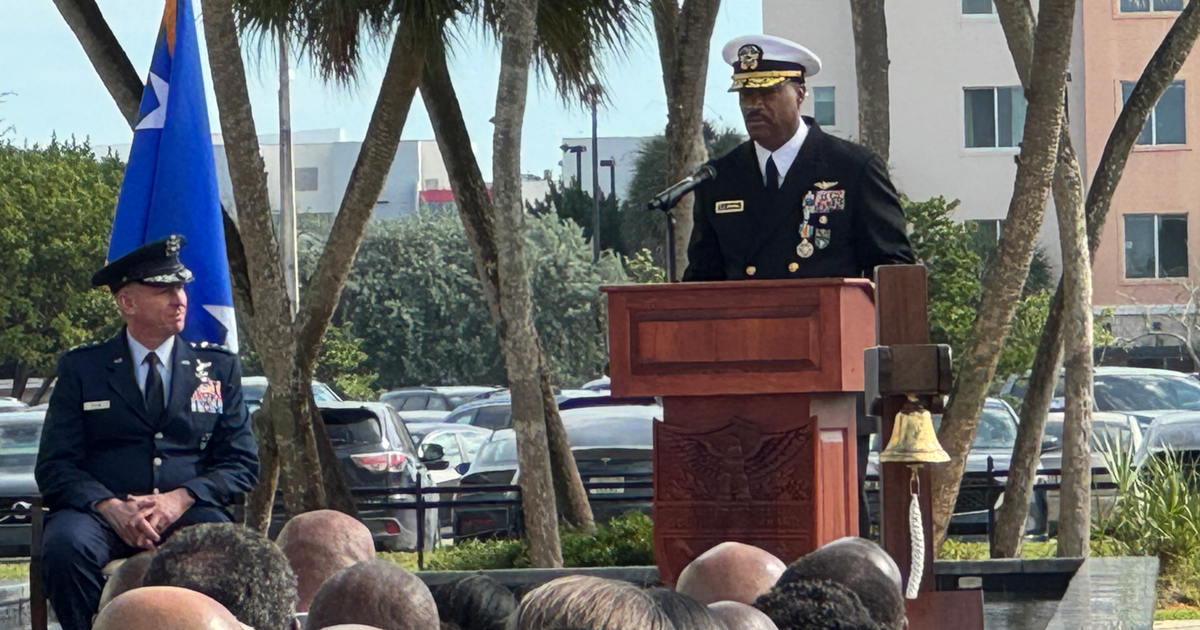
Admiral Alvin Holsey, the commander overseeing U.S. military forces in South America and the Caribbean, stepped down from his post at U.S. Southern Command headquarters in Florida, retiring early after only one year of what is usually a three-year term. His departure comes amid a substantial U.S. military buildup in the Caribbean, including increased warships and personnel, and an ongoing campaign ('Operation Southern Spear') that has destroyed numerous drug boats and resulted in significant loss of life. Holsey's early retirement is reportedly due to personal reasons, but tensions with Defense Secretary Pete Hegseth over deployment decisions have been noted. The campaign has attracted scrutiny, especially after a controversial 'double tap' military strike killed survivors from a previous attack. Congressional lawmakers are also questioning the expanding military presence in the region, which is widely seen as part of the Trump administration's pressure campaign against Venezuela's President Maduro. Holsey was honored at the ceremony and will be temporarily replaced by Lt. Gen. Evan Lamar Pettus.
Biblical Reflection
From a biblical perspective, this article raises several concerns about the use of military power, the value of human life, and the responsibilities of leaders. Scripture consistently calls for justice, mercy, and the pursuit of peace (Micah 6:8, Matthew 5:9). The destruction of drug boats and the resultant deaths, especially in controversial strikes, prompt reflection on whether justice and compassion are being balanced with the pursuit of national security. The expansion of military presence, especially when linked to political pressures and regime change efforts, should be weighed against Jesus’ teachings on peacemaking and loving one’s neighbor—even across national boundaries (Luke 6:27-36). Leaders bear a heavy weight of responsibility, and abrupt transitions or conflicts among them may signal deeper issues of discernment, accountability, and humility—qualities that are biblically essential for those in authority (James 3:17). Christians are called to pray for leaders and for wisdom in how nations use their power, always striving for actions that reflect God’s justice and mercy.
Scripture in context
This outlook does not yet include contextual Scripture citations. Do not treat a general biblical theme as an exegetical conclusion.
Faithful Response
No prescribed response is offered. Consider the reflection prompts below in your own church context.
Reflection and Discussion
- 1How do I discern when actions taken for security or justice cross the line into disregard for human life?
- 2What does it mean to be a peacemaker in a world where national interests sometimes conflict with biblical values?
- 3How can I pray for wisdom and humility among those entrusted with great power and authority?
Sources
Reporting links are evidence inputs; Sanctuary News' biblical reflection is commentary.
This outlook currently relies on fewer than two linked sources. Broaden verification before teaching from it.
- 1.Original reportprimary