News Summary
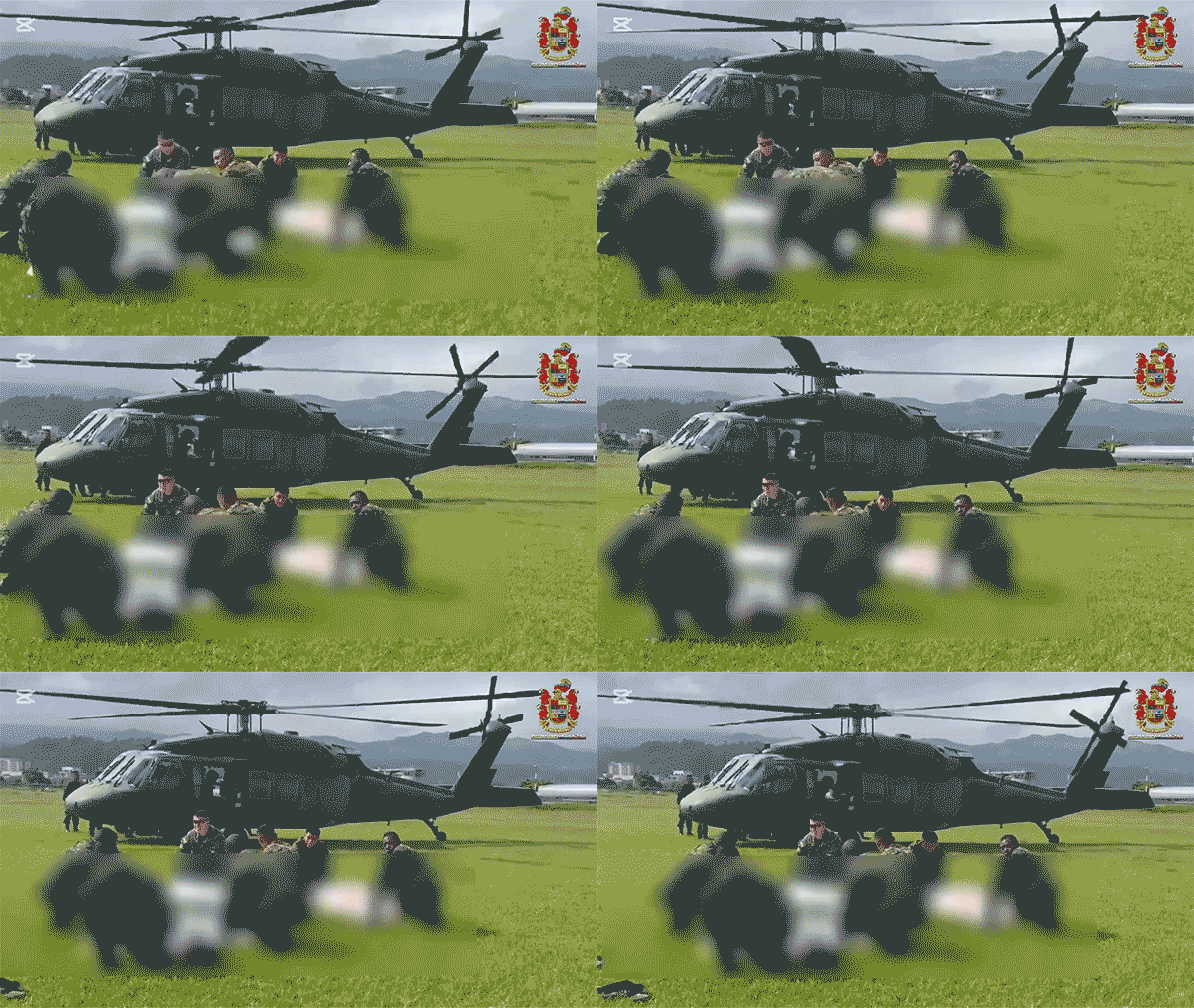
On April 26, an explosive device detonated on a passenger bus on the Pan‑American Highway in the Cauca region near Cajibío, killing 20 civilians (15 women and five men) and injuring 45 others. The Colombian Military Forces released a statement saying they ‘‘neutralized’’ five members of the armed group called Estructura Jaime Martínez, which they accuse of planting the device and carrying out other criminal actions such as vehicle theft and use of explosive-laden drones. The military published video material showing seized weapons and body bags. Gen. Hugo López, commander of Colombia’s armed forces, condemned the bombing as a terrorist act and attributed it to dissident FARC factions, including the Jaime Martínez faction and the network linked to Iván Mordisco. The U.N. human rights office called for justice for the victims. The article notes southwestern Colombia is contested by illegal armed groups competing for control of coca cultivation and trafficking routes. The report cites the Colombian military and includes material from the Associated Press; military claims in the statement were reported as presented by officials.
Biblical Reflection
The article reports a grave act of violence and the military’s response, but most of its key claims come from official sources and military footage; independent confirmation and full judicial details (e.g., arrests, charges, circumstances of the killings) are not provided. Christians should grieve for the dead and wounded and hold two truths together: the need for security and accountability, and the imperative to protect human dignity even of those accused. Language like “neutralized” can dehumanize and obscure whether suspects were captured, killed, or given due process; Christians should be attentive to such framing because truth and justice require clarity. The wider context—competition over coca, trafficking routes, and poverty—shows structural causes that perpetuate violence; addressing those will require long‑term courage, humility, and policies that pursue both justice and reconciliation. As you read, look for voices of survivors, independent investigators, and human rights monitors alongside official statements, and weigh calls for security with concern for civilian protection and lawful process.
Scripture in context
This outlook does not yet include contextual Scripture citations. Do not treat a general biblical theme as an exegetical conclusion.
Faithful Response
No prescribed response is offered. Consider the reflection prompts below in your own church context.
Reflection and Discussion
- 1Whose perspectives are absent from the report—survivors, local community leaders, independent investigators—and how might their inclusion change our understanding?
- 2Does the article’s use of terms like “neutralized” obscure whether accountability and due process are being observed?
- 3How do economic and social drivers (coca cultivation, trafficking routes, local poverty) shape the cycle of violence, and what kinds of responses reflect both justice and neighbor‑love?
Sources
Reporting links are evidence inputs; Sanctuary News' biblical reflection is commentary.
This outlook currently relies on fewer than two linked sources. Broaden verification before teaching from it.
- 1.Original reportprimary