News Summary
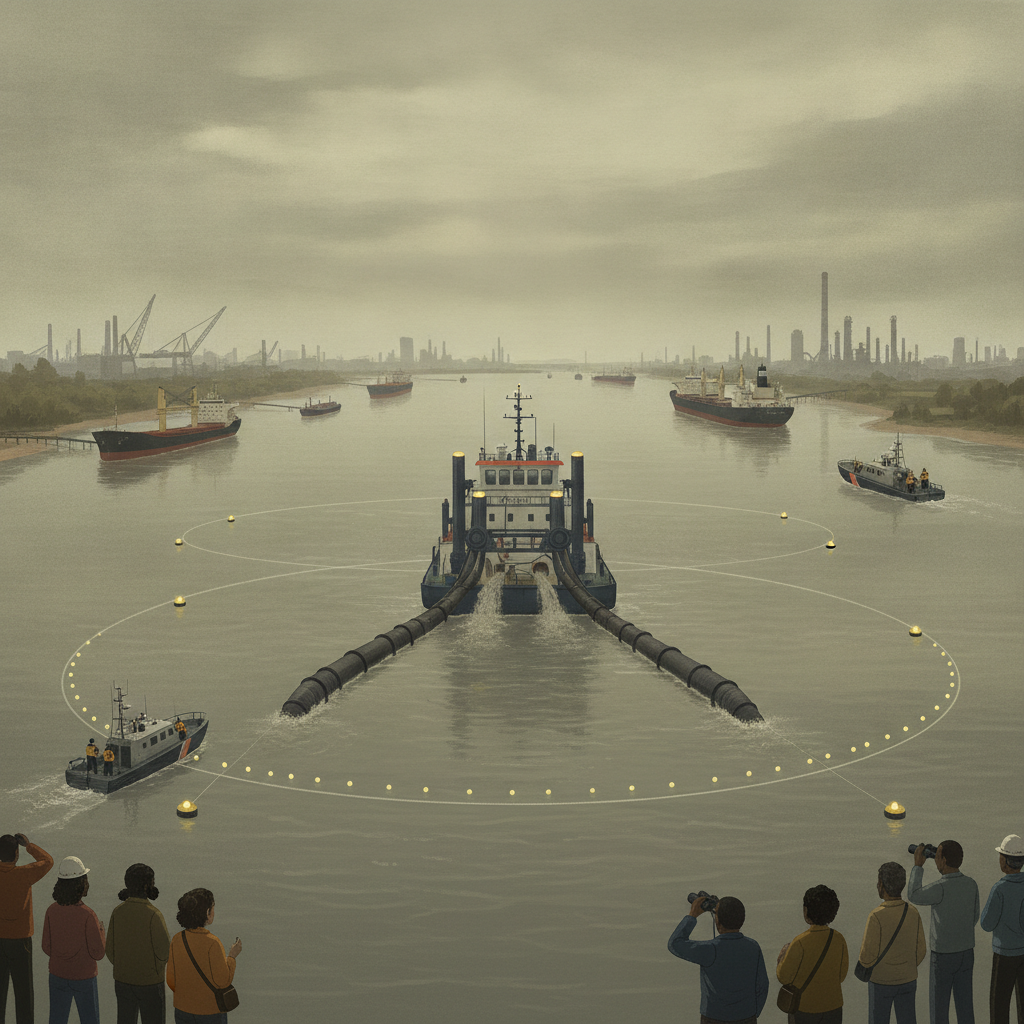
Facts: The Coast Guard issued an interim rule establishing three safety zones for dredging near Marcus Hook, PA (Marcus Hook Range, Anchorage 7, Anchorage 9). The rule is enforceable July 15, 2026 through October 31, 2026 (published July 20, 2026) and prohibits entry within 250 yards of dredging operations without COTP authorization; anchorage size and permission limits are specified (Anchorage 7: generally ≥650 feet; Anchorage 9: generally ≥500 feet). The dredge CHARLESTON is likely to be used though other dredges may operate. The Coast Guard invoked 5 U.S.C. 553(b)(B) to waive prior notice and invited comments through August 19, 2026. Attributed claims: The Coast Guard states the safety zones are needed to protect personnel, vessels, and the marine environment from hazards associated with dredging. Uncertainties: The notice does not provide detailed environmental impact analysis in the text (it cites a categorical exclusion), precise daily dredging schedules, or details on disposal sites for dredged material.
Source and Framing Analysis
The Federal Register entry is an official primary source containing regulatory text, legal justifications, and operational restrictions. Framing is administrative and technical rather than narrative or persuasive. Material uncertainties that affect understanding include limited operational detail (exact dredge schedule, disposal location), the environmental review summary (categorical exclusion referenced but not reproduced), and the effects on smaller local users. The rule emphasizes safety and legal authority; it also relies on the good-cause waiver, which shortens prior public input in favor of immediate operational needs.
Biblical Reflection
This is a pragmatic exercise of civil authority intended to protect life, property, and the marine environment while maintaining navigation during maintenance dredging. The rule reflects a technocratic, safety-first worldview: it prioritizes risk mitigation for workers and mariners and manages limited anchorage capacity to prevent collisions or environmental harm. Christians should appreciate the care for neighbor and community safety here, while also asking whether procedures adequately respect public participation and environmental stewardship. The Coast Guard cites legal authority and environmental categorical exclusions; readers should note that administrative speed (invoking the good-cause waiver) reduces prior public input even as it seeks to prevent immediate physical danger. The pastoral lens calls for gratitude for protective institutions, vigilance for vulnerable workers and local residents, and insistence that stewardship of creation and transparent public engagement not be sidelined by expedience.
Scripture in context
- 1Genesis 2:15 — In the early chapters of Genesis, humanity is placed in the garden with a charge to tend and keep it, establishing a theological basis for caretaking responsibility toward creation. — This passage grounds the obligation to steward waterways and the environment; it supports scrutiny of practices that affect the river and encourages care that prevents harm to the created order and communities depending on it.
- 2Luke 10:25-37 (Good Samaritan) — Jesus tells a parable about mercy and neighbor-love in response to a question about inheriting eternal life; the Samaritan acts to rescue and care for a wounded stranger. — The story calls Christians to active, practical care for others in danger; public safety measures that protect workers and mariners align with this ethic, and the church should emulate that practical compassion for those at risk or displaced by the work.
Faithful Response
Pray for the safety of dredging crews, mariners, and local communities; include specific petitions for wisdom for officials and protection for workers.
If materially affected (e.g., commercial mariners, local businesses), participate in the Coast Guard docket by submitting factual, constructive comments before the August 19, 2026 deadline.
Encourage local congregations to reach out to maritime ministries or port chaplains to offer pastoral care and practical assistance to seafarers and their families.
Advocate for clear environmental monitoring and transparency about dredged-material disposal to ensure long-term stewardship of the river.
Reflection and Discussion
- 1How does love of neighbor require both support for protective public measures and careful oversight to ensure environmental and social justice?
- 2Where might expedited government decisions be necessary, and where should we insist on fuller public participation as an expression of communal prudence?
Sources
Reporting links are evidence inputs; Sanctuary News' biblical reflection is commentary.
This outlook currently relies on fewer than two linked sources. Broaden verification before teaching from it.
- 1.Safety Zones; Delaware River Dredging, Marcus Hook, PAofficial_document