News Summary
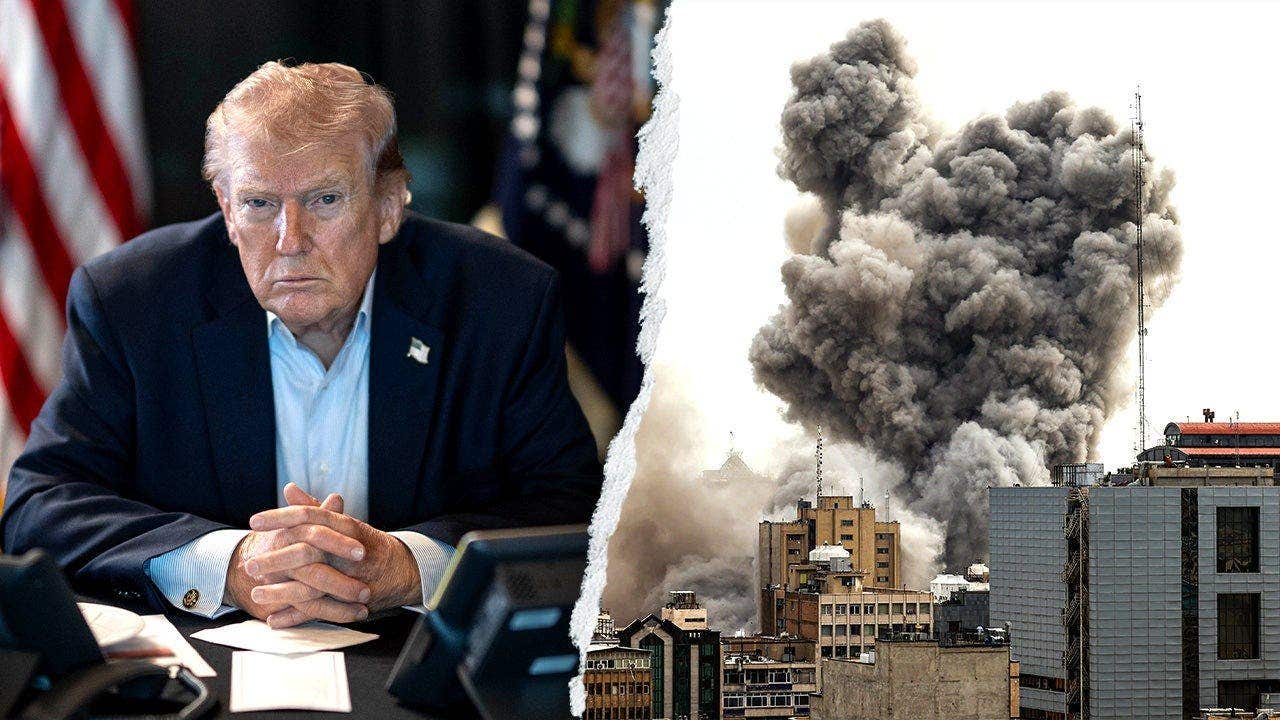
Fox News reports that retired Brig. Gen. Mark Kimmitt challenged CNN on air over its reliance on unnamed sources in coverage of the Iran war. According to the Fox article, CNN told Fox News Digital it stands by its reporting. The Fox piece also reports that Joseph Holstead, public affairs adviser to the chairman of the Joint Chiefs of Staff, declined to comment on CNN’s report or on Kimmitt’s assessment but told Fox News Digital he agreed with Fox’s characterization that CNN’s sources lacked firsthand knowledge of the conversations the CNN report described. The Fox article includes a promotional opening paragraph about Fox News’ editorial positioning.
Source and Framing Analysis
The report is a single-source piece from Fox News Digital about a media dispute; it quotes a retired general and a public affairs adviser but does not reproduce CNN’s original reporting, the unnamed sources, or a transcript of Kimmitt’s interview. The piece frames the issue as a credibility challenge to CNN and opens with self-promotional wording that signals an editorial perspective. Material uncertainty remains about the substance of CNN’s sourcing and the precise nature of the conversations described, because no independent corroboration or primary documents are offered in this report.
Biblical Reflection
In an age of rapid conflict reporting, anonymous sourcing raises real moral and practical questions. Christians are called to love neighbors by seeking and speaking truth (and to do so in gentleness and humility). Public trust is fragile during war; when outlets use unnamed sources to report on high-stakes diplomatic or military matters, the risk is not only error but that citizens and leaders may make decisions based on incomplete or secondhand claims.
At the same time, journalism sometimes relies on confidential sources to surface wrongdoing or sensitive negotiations that otherwise would remain hidden; the ethical balance requires clear editorial standards, careful verification, and candid disclosure about what is known and what is alleged. As Christians we should resist reflexive partisanship: examine the facts, hold both institutions and individuals accountable, and avoid weaponizing doubts about accuracy for tribal advantage. Seek clarity, pray for peace, and support practices that protect truthful reporting while protecting lives that can be endangered by careless disclosures.
Scripture in context
- 1Ephesians 4:15 — Paul’s exhortation to the Ephesian church occurs in a section calling believers to unity and maturity, urging them to speak the truth in love rather than be driven by divisive or false teaching. — This passage presses Christians to seek and speak truth without harshness; applied here, it calls both critics of the press and journalists themselves to pursue accuracy while avoiding slander or partisan vitriol.
- 2Proverbs 12:17 — A wisdom proverb contrasting truthful speech with the harm of false testimony, grounded in the social and legal realities of ancient Israel where testimony shaped justice and community trust. — The proverb highlights the communal cost of unverified or false reports; it reminds readers that in matters of war and public safety, we must prefer verified testimony and avoid spreading claims that could harm others.
Faithful Response
Before sharing or reinforcing disputed reports about wartime matters, pause to seek primary sources, confirmations, or the reporting outlet’s sourcing explanations.
Pray for those directly affected by the conflict and for leaders making decisions under uncertainty; practice discernment rather than partisan amplification.
Support local and national journalism that demonstrates transparent sourcing practices, corrections, and editorial accountability.
Reflection and Discussion
- 1What evidence threshold should you require before believing or passing along sensitive claims related to war?
- 2How can your church community cultivate habits of truth-telling, humility, and peacemaking when media narratives are contested?
- 3Who in this situation bears responsibility for protecting lives and public trust—the press, former officials, or the institutions they reference?
Sources
Reporting links are evidence inputs; Sanctuary News' biblical reflection is commentary.
This outlook currently relies on fewer than two linked sources. Broaden verification before teaching from it.
- 1.CNN stands by Iran war reporting after retired general challenges ‘unnamed sources’ on airprimary_reporting