News Summary
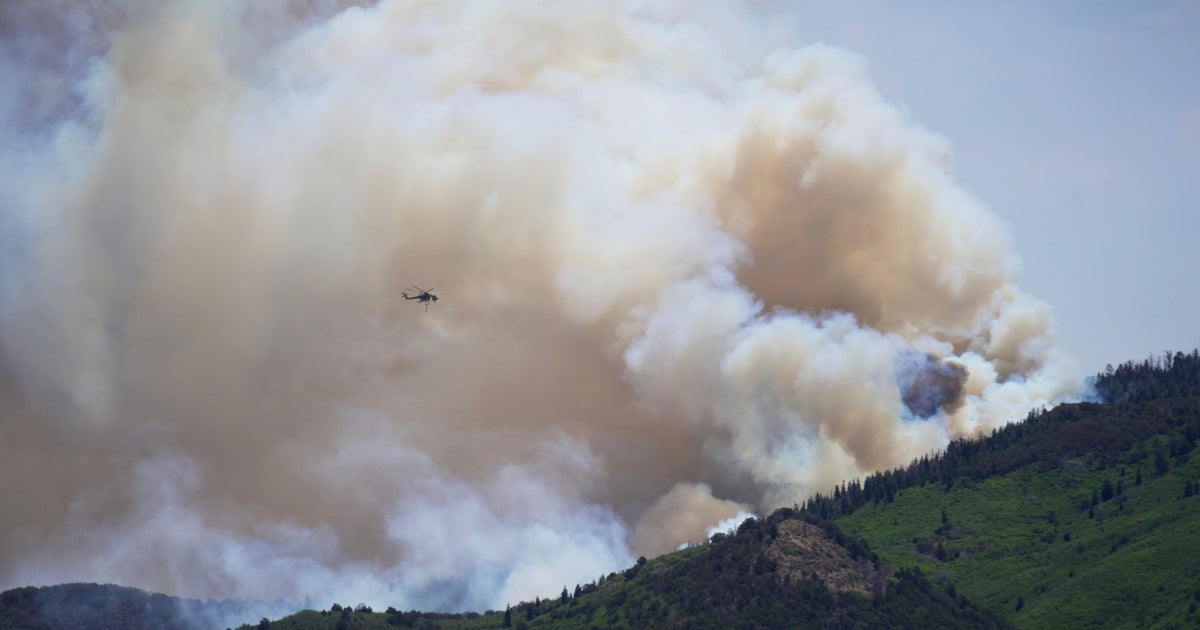
In mid‑July 2026, thousands of wildfires burned across Canada and the western United States, producing heavy smoke that degraded air quality across wide regions. Canada reported roughly 3,500 fires burning about 2.3 million acres so far this year; the U.S. recorded close to 40,000 fires burning about 3.6 million acres through mid‑July. More than 100 fires were active in Canada on a single day, and several large U.S. fires — concentrated in Colorado and Utah among other western states — remained active. Three firefighters died and two were injured in late‑June fighting the Knowles Fire on the Colorado‑Utah border. Experts cited a combination of prolonged drought, record high temperatures, historically low snowpack, and strong winds as factors intensifying the season. Climate scientists and Canadian officials linked the severity and earlier onset of fire seasons to climate change while noting other contributors (such as fuels and forest management). Agencies including the U.S. National Interagency Fire Center forecast above‑normal wildfire risk in much of the West into the fall, with uncertainty from El Niño and potential monsoon relief in some areas.
Biblical Reflection
The article aligns with mainstream scientific assessment that hotter, drier conditions have increased wildfire risk while acknowledging other factors. Its central claim—that climate extremes have primed this season for unusually severe fires—is supported by multiple expert sources and observed metrics (high temperatures, low snowpack, expanded acreage burned). The framing leans toward attributing a major role to climate trends, which is defensible given research estimating climate's substantial contribution to rising burned area in the West, but the piece responsibly notes forest fuels and weather also matter. From a Christian pastoral perspective, this news calls for sober truthfulness, compassionate action, and faithful stewardship: truth in recognizing human influence and natural causes; mercy and aid for those harmed and for firefighters; humility about limits and the need to listen to scientific and local expertise; courage to support policies and practices that reduce harm and protect vulnerable communities; and neighbor‑love expressed through relief, preparedness, and sustainable care of creation. The article does not deeply examine policy responses, historical land management (including Indigenous practices), or social inequities in exposure, so readers should be attentive to those missing dimensions when forming judgments.
Scripture in context
This outlook does not yet include contextual Scripture citations. Do not treat a general biblical theme as an exegetical conclusion.
Faithful Response
No prescribed response is offered. Consider the reflection prompts below in your own church context.
Reflection and Discussion
- 1How does a theology of stewardship shape our judgment about the roles of personal behavior, public policy, and collective responsibility when climate‑driven risks increase?
- 2Which perspectives—such as Indigenous land practices, disadvantaged communities, or long‑term ecological restoration—are missing from media accounts of wildfire causes and responses?
- 3Does attributing disasters to climate change change how we assign responsibility and prioritize prevention, relief, and resilience?
Sources
Reporting links are evidence inputs; Sanctuary News' biblical reflection is commentary.
This outlook currently relies on fewer than two linked sources. Broaden verification before teaching from it.
- 1.Original reportprimary