News Summary
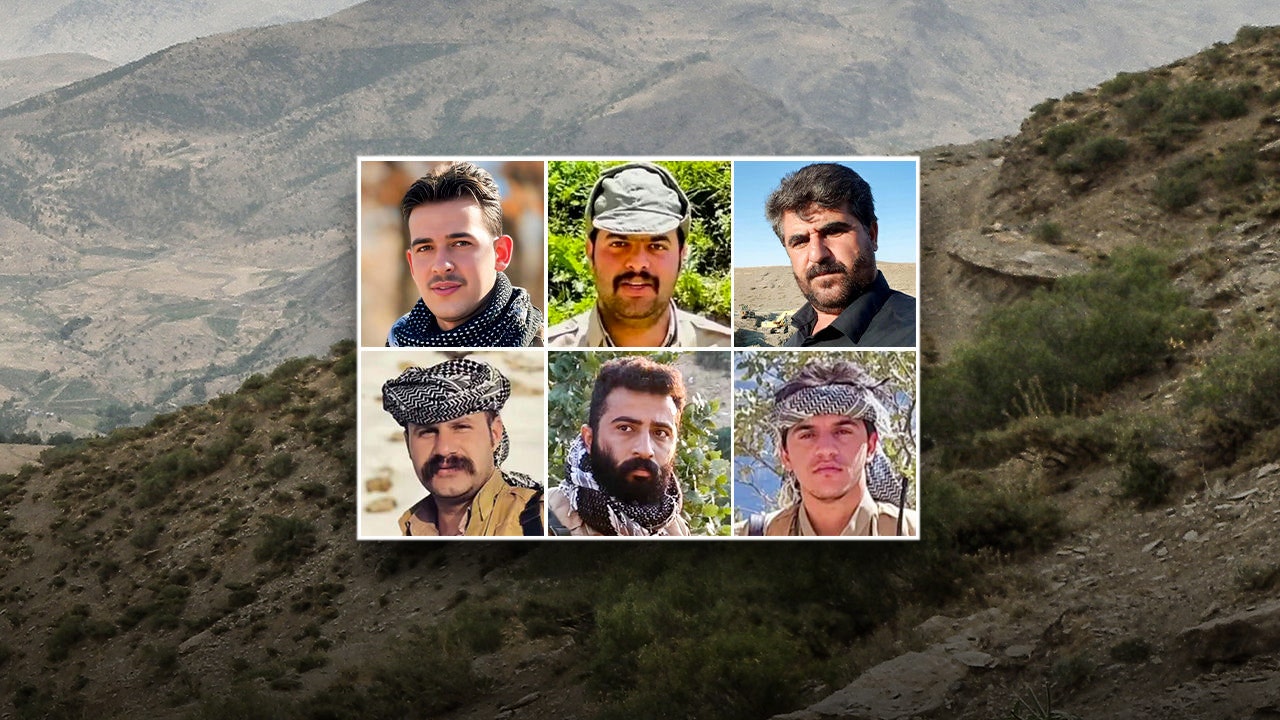
Iran’s Revolutionary Guards and Kurdish opposition sources reported a deadly clash near Piranshahr in Iran’s West Azerbaijan Province on July 1, 2026. The Democratic Party of Iranian Kurdistan (PDKI) said six of its Peshmerga were killed in what it described as an IRGC ambush in the village of Qizqapan; the IRGC and Iranian state media reported killing five members of the PDKI after they crossed into Iranian territory. The incident follows several days of violence in western Iran that included other reported clashes, an attack in Kermanshah Province that killed two IRGC members, and reported strikes on Kurdish-linked sites in the Kurdistan Region of Iraq. Human-rights groups and Kurdish representatives cited broader repression inside Iran, including recent executions and mass detentions, as context for rising Kurdish frustration. U.S. and regional officials previously discussed Kurdish groups as potential pressure points on Tehran during the U.S.–Israeli war with Iran, but Kurdish forces did not launch a major operation during that conflict amid mixed international signals and regional pressures.
Biblical Reflection
This article highlights a localized but significant escalation in a long-running conflict between Tehran and Kurdish opposition groups. The reporting presents competing claims from the IRGC and the PDKI, illustrating the common wartime pattern of contradictory casualty figures and partisan framing; readers should weigh both sources and recognize the fog of conflict. The piece also ties the fighting to broader political maneuvers—external actors considering Kurdish groups as leverage against Iran—which risks instrumentalizing vulnerable communities for larger strategic aims. From a Christian perspective, the immediate concern is the human cost: lives lost, families grieving, and civilians living under repression or threat. Scripture calls Christians to seek justice for the oppressed, to pursue peace, and to speak truth amid power. That means advocating for accurate reporting, humanitarian access, restraint by armed actors, and policies that protect civilians rather than treat them merely as strategic tools. Pastoral wisdom also warns against simplifying complex ethnic and political grievances into binary narratives; loving our neighbor requires listening to silenced voices, exposing falsehoods, and praying and working for nonviolent pathways out of conflict.
Scripture in context
This outlook does not yet include contextual Scripture citations. Do not treat a general biblical theme as an exegetical conclusion.
Faithful Response
No prescribed response is offered. Consider the reflection prompts below in your own church context.
Reflection and Discussion
- 1Which voices are most prominent in this account, and whose perspectives are missing or marginalized?
- 2How might strategic framing (portraying groups as 'pressure points') obscure the human realities and rights of those directly affected?
- 3Given conflicting claims about casualties and motives, what standards of evidence should we require before forming strong judgments?
Sources
Reporting links are evidence inputs; Sanctuary News' biblical reflection is commentary.
This outlook currently relies on fewer than two linked sources. Broaden verification before teaching from it.
- 1.Original reportprimary