News Summary
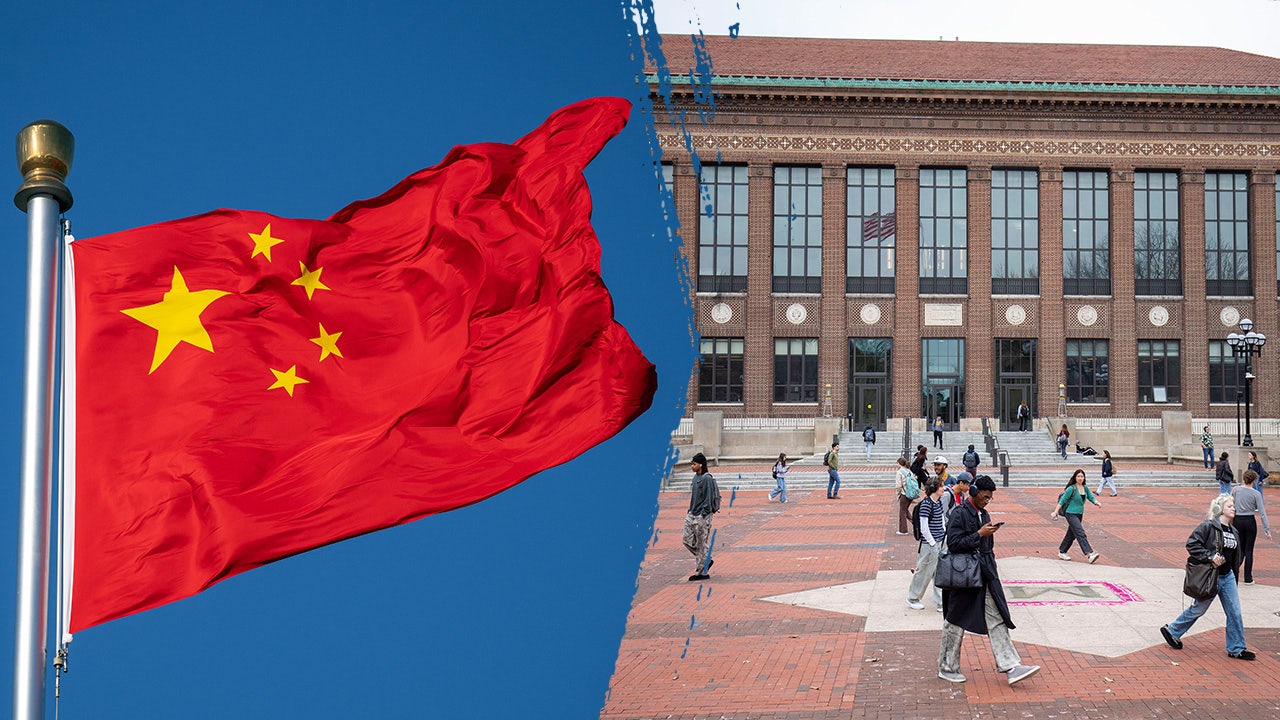
On March 19, 2026, University of Michigan police responded to a report around 11 p.m. that a person had fallen inside the George G. Brown Building. An assistant research scientist was found after falling from an upper level and was later pronounced dead. The University of Michigan said the case is being investigated as a possible act of self-harm and that there is no indication of an ongoing threat to the campus. The deceased was later identified by the university as research assistant Danhao Wang, whose published work included research on semiconductor materials. The Chinese Consulate in Chicago issued a March 30 statement saying a Chinese scholar died "the day after being questioned by U.S. law enforcement personnel," and said it had protested to U.S. agencies and the university; the consulate did not identify the individual in that statement. Chinese Foreign Ministry officials publicly urged a full investigation. U.S. authorities have not confirmed whether Wang was questioned; the FBI Detroit field office declined to comment, citing its policy of neither confirming nor denying investigative activity involving individuals. University police declined to release additional information beyond their public statement. An autopsy report has been requested and the death remains under investigation. The article notes this event comes amid increased scrutiny of Chinese nationals at U.S. universities and mentions recent federal charges against individuals with ties to the University of Michigan related to alleged smuggling of biological materials.
Biblical Reflection
This story sits at the intersection of grief, national security concerns, and international diplomacy, and it highlights how quickly uncertainty can become politicized. The factual record in the article is limited: a university death under investigation and public statements from the Chinese consulate alleging questioning by U.S. authorities that U.S. agencies have not confirmed. From a Christian perspective, we should hold three commitments simultaneously: a pursuit of truth, compassion for the bereaved, and caution about jumping to conclusions. Scripture calls us to seek justice and to speak truth (Micah 6:8), but it also warns against hasty or slanderous accusations (Proverbs 18:13). Media framing and government silence can both leave gaps that political actors or foreign governments may fill with claims serving broader narratives — for example, casting U.S. law enforcement as abusive or, conversely, depicting foreign nationals as threats. Christians should be attentive to such framing: ask what motivations might shape each side’s public statements, avoid amplifying unverified allegations, and pray and advocate for transparent, accountable investigations. At the same time, Christians are called to lament with those who mourn (Romans 12:15) and to seek systems that protect the vulnerable and preserve due process. In short: press for thorough, unbiased fact-finding and accountability, resist the impulse to adopt partisan or conspiratorial narratives without evidence, and respond with compassion toward the human suffering at the center of the story.
Scripture in context
This outlook does not yet include contextual Scripture citations. Do not treat a general biblical theme as an exegetical conclusion.
Faithful Response
No prescribed response is offered. Consider the reflection prompts below in your own church context.
Reflection and Discussion
- 1What assumptions am I making when an official source is silent — do I interpret silence as guilt, protection, or prudent procedure?
- 2Who benefits if this incident is narrated primarily as diplomatic misconduct, domestic injustice, or national-security evidence — and how does that shape the facts emphasized?
- 3How can I hold both a demand for a transparent investigation and a posture of compassionate restraint toward those grieving, without reducing either to a political talking point?
Sources
Reporting links are evidence inputs; Sanctuary News' biblical reflection is commentary.
This outlook currently relies on fewer than two linked sources. Broaden verification before teaching from it.
- 1.Original reportprimary