News Summary
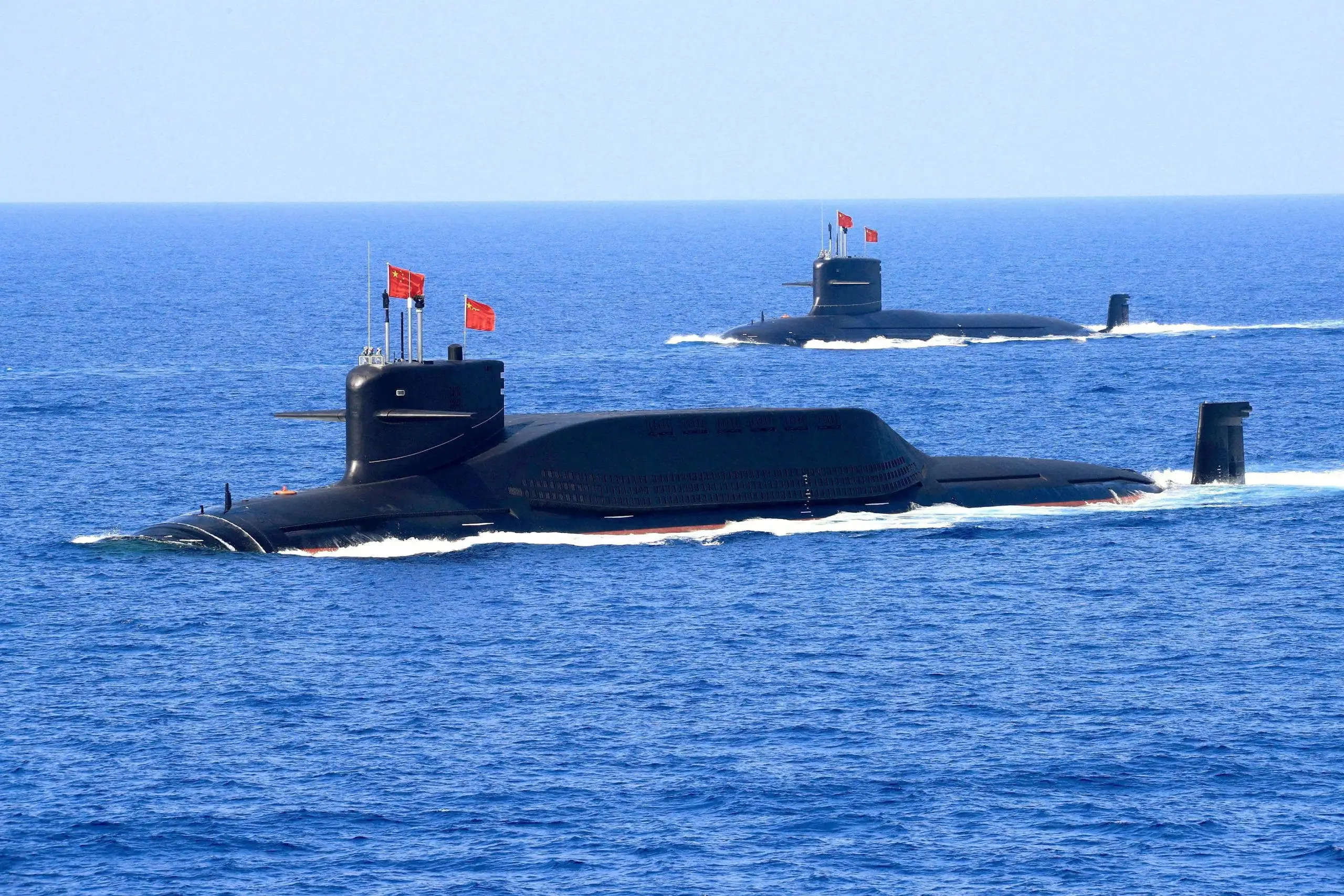
China's People's Liberation Army Navy publicly announced it launched a ballistic missile from a Type 094 (Jin-class) nuclear-powered submarine into the Pacific Ocean during a routine annual training exercise; Chinese officials said the missile carried a dummy warhead, landed in a designated Pacific area, and the test was conducted in accordance with international law. The launch, reportedly the first such test since 2024, was announced as U.S. allies deepen Indo-Pacific security ties and as NATO leaders prepare to meet in Ankara. Australia said it was informed in advance and called the launch destabilizing; Japan expressed serious concern; New Zealand said the missile landed in the South Pacific Nuclear Free Zone and criticized the action as inconsistent with the zone’s spirit but did not formally accuse China of violating the Treaty of Rarotonga. The article cites U.S. defense concerns that an expanding, more survivable Chinese sea-based nuclear capability could extend Beijing’s ability to threaten the U.S. and allies, and notes Pentagon projections that China’s nuclear arsenal will grow substantially this decade as it expands all three legs of its triad. The piece also contrasts China’s activities with long-standing U.S. sea-based deterrent operations and notes broader PLA naval modernization, increased patrols, and pressure around Taiwan and the South China Sea.
Biblical Reflection
The article reports a concrete military development with genuine strategic implications. Its framing centers U.S. and allied security concerns and includes official Chinese rebuttals; readers should note that cited projections (e.g., warhead counts) are forecasts and that emphasis on threat is a common angle in security reporting. From a Christian lens, the story raises moral questions about the human cost and spiritual consequences of escalating military capabilities: deterrence may be necessary for protecting the vulnerable, but an arms buildup driven by suspicion and power competition increases fear, mistrust, and the risk of miscalculation. Christians are called to pursue truth—pressing for transparency and accurate information—and mercy—seeking to minimize human suffering by advocating restraint, arms-control, and diplomacy. The piece reflects a realist worldview focused on balance-of-power and deterrence; faith-informed response should balance prudent defense with persistent advocacy for de-escalation, honest dialogue between nations, and care for civilians who bear the consequences of geopolitical rivalry.
Scripture in context
This outlook does not yet include contextual Scripture citations. Do not treat a general biblical theme as an exegetical conclusion.
Faithful Response
No prescribed response is offered. Consider the reflection prompts below in your own church context.
Reflection and Discussion
- 1Which voices are prioritized in this coverage, and how might that shape our view of intent and threat?
- 2Does emphasizing military capability as the primary solution obscure opportunities for diplomacy, transparency, and confidence-building?
- 3How should Christians weigh the need for national defense against the biblical call to pursue peace and protect the vulnerable?
Sources
Reporting links are evidence inputs; Sanctuary News' biblical reflection is commentary.
This outlook currently relies on fewer than two linked sources. Broaden verification before teaching from it.
- 1.Original reportprimary