News Summary
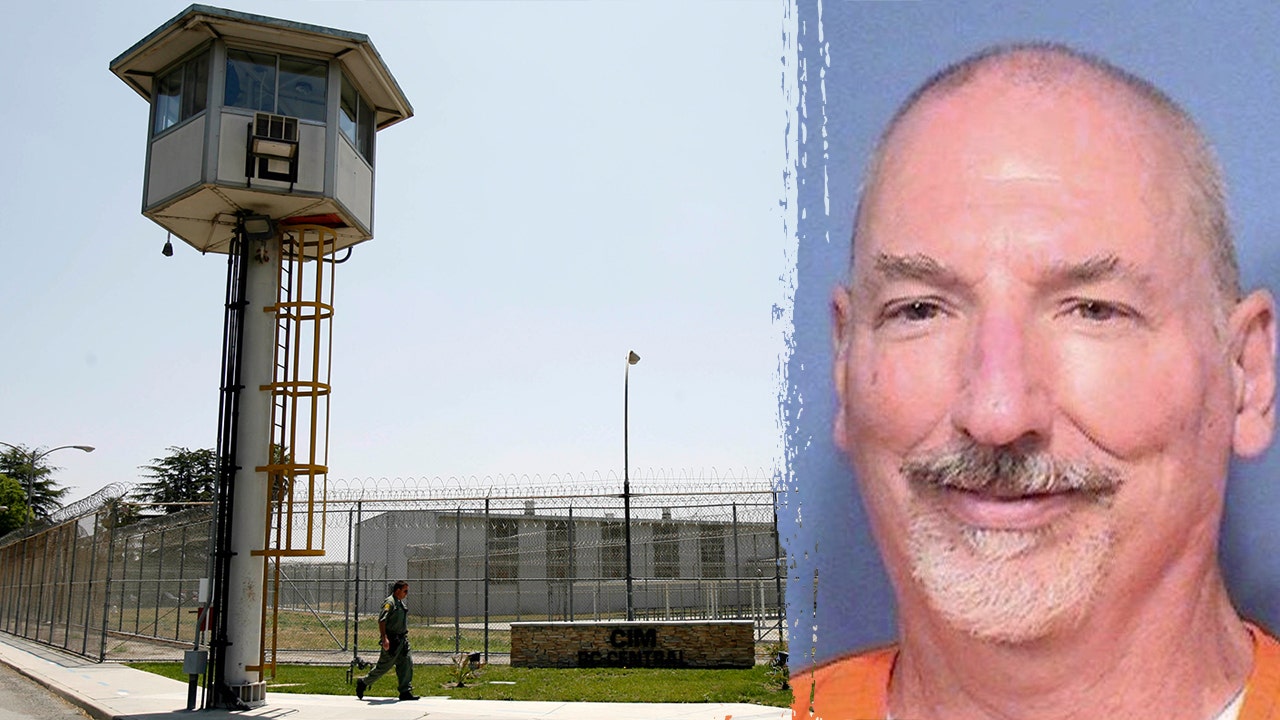
David Allen Funston, a convicted child molester in California, was about to be released on parole under the state's Elderly Parole Program after serving over two decades in prison for kidnapping and sexually abusing children. Despite being found suitable for parole by the Board of Parole Hearings, and despite California Governor Gavin Newsom's opposition, the parole process moved forward. However, just hours before his scheduled release, Placer County filed new criminal charges related to a 1996 incident, leading to Funston's immediate arrest. The case has sparked significant public outrage, particularly from victims, law enforcement, and political figures, who argue the parole system prioritizes offenders over victims. One of Funston's victims, Amelia, shared her ongoing trauma and distrust, expressing deep concerns for public safety if he were released. Critics argue that this last-minute arrest highlights systemic issues within California's criminal justice and parole policies.
Biblical Reflection
From a biblical perspective, this story is a sobering reminder of the devastating effects of sin—especially sins committed against the most vulnerable: children. Scripture is unambiguously clear about the gravity of harming children (Matthew 18:6). The outrage and deep pain expressed by victims and their families reflect the profound injustice such crimes inflict, and the Bible calls for justice and care for the oppressed (Isaiah 1:17). While the parole system aims to balance justice, mercy, and rehabilitation, this case shows the complexity and fallibility of human justice systems. It raises essential questions about the protection of the innocent, the possibility of true repentance and transformation, and the need for ongoing vigilance to protect society's most vulnerable members. The Christian response involves praying for the healing of victims, seeking justice, and also advocating for repentance and accountability for offenders. However, mercy must never come at the expense of safety or justice for victims. Ultimately, this story exposes the brokenness of a world in need of Christ’s redemption—a world where true justice and restoration can only be fully realized in Him.
Scripture in context
This outlook does not yet include contextual Scripture citations. Do not treat a general biblical theme as an exegetical conclusion.
Faithful Response
No prescribed response is offered. Consider the reflection prompts below in your own church context.
Reflection and Discussion
- 1How can we as Christians balance the call to forgiveness with the biblical mandate to protect and seek justice for the vulnerable?
- 2What role should mercy play in criminal justice, and where should we draw boundaries for the safety of others?
- 3How can we support those who have been traumatized by such crimes, both spiritually and practically?
Sources
Reporting links are evidence inputs; Sanctuary News' biblical reflection is commentary.
This outlook currently relies on fewer than two linked sources. Broaden verification before teaching from it.
- 1.Original reportprimary