News Summary
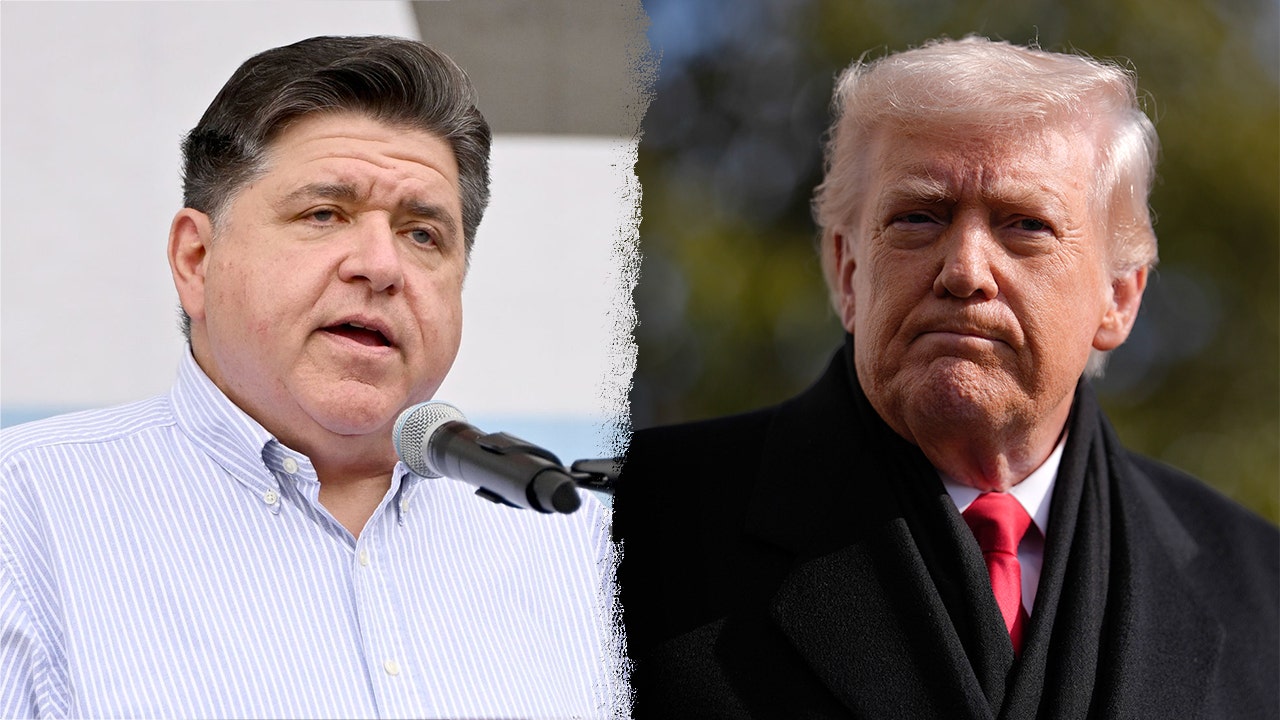
Over a multi-day Juneteenth weekend in Chicago, numerous shooting incidents left multiple people dead and many more wounded; reporting in the article cites totals of roughly seven killed and around 38 injured, with individual incidents including a drive‑by shooting in Princeton Park that hospitalized a dozen people, the killing of a 29‑year‑old man named Mario Price, and the earlier fatal shooting of a 14‑year‑old boy. Acting U.S. Attorney General Todd Blanche criticized Illinois Gov. J.B. Pritzker for declining offers of federal assistance to address the violence and cited reductions in crime after federal interventions in other cities. Former President Donald Trump publicly urged Pritzker to request federal help, saying he could make the city safer and pointing to his administration’s actions in Washington, D.C., and deployments in other cities. The article notes that National Guard or federal deployments to Chicago have been proposed or briefly initiated in the past year but encountered legal or political obstacles. Pritzker has previously rejected federal involvement, characterizing it as unwelcome and framing it as a potential power grab; the story includes his past public remarks mocking claims that Chicago is “war‑torn.”
Biblical Reflection
This coverage describes a tragic local surge of violence and a sharp partisan exchange over how to respond. The human reality—families grieving and communities harmed—is urgent and objective; political actors’ competing claims about federal intervention and ‘‘success’’ in other cities require independent verification and fuller context (differences in local policing, community programs, court rulings, and underlying causes of violence are not explored). The article frames the story through a national political lens, which can encourage readers to view loss and public safety primarily as political leverage rather than communal sorrow demanding comprehensive solutions. From a Christian perspective we should first mourn with those who mourn, seek truth about what reduces violence (long‑term prevention, justice, and restoration as well as enforcement), and resist narratives that instrumentalize suffering for partisan advantage. Christians should press leaders for honest evidence, compassionate care for victims, and policies that protect the vulnerable while pursuing reconciliation and restoration where possible.
Scripture in context
This outlook does not yet include contextual Scripture citations. Do not treat a general biblical theme as an exegetical conclusion.
Faithful Response
No prescribed response is offered. Consider the reflection prompts below in your own church context.
Reflection and Discussion
- 1Is this coverage emphasizing political blame more than concrete evidence about what reduces violence in Chicago, and what key facts are missing?
- 2Are calls for federal force offered as a quick fix ignoring long‑term causes like poverty, trauma, and community disinvestment that also require healing and investment?
- 3How can Christians hold leaders accountable for public safety while resisting the temptation to weaponize others’ suffering for partisan gain?
Sources
Reporting links are evidence inputs; Sanctuary News' biblical reflection is commentary.
This outlook currently relies on fewer than two linked sources. Broaden verification before teaching from it.
- 1.Original reportprimary