News Summary
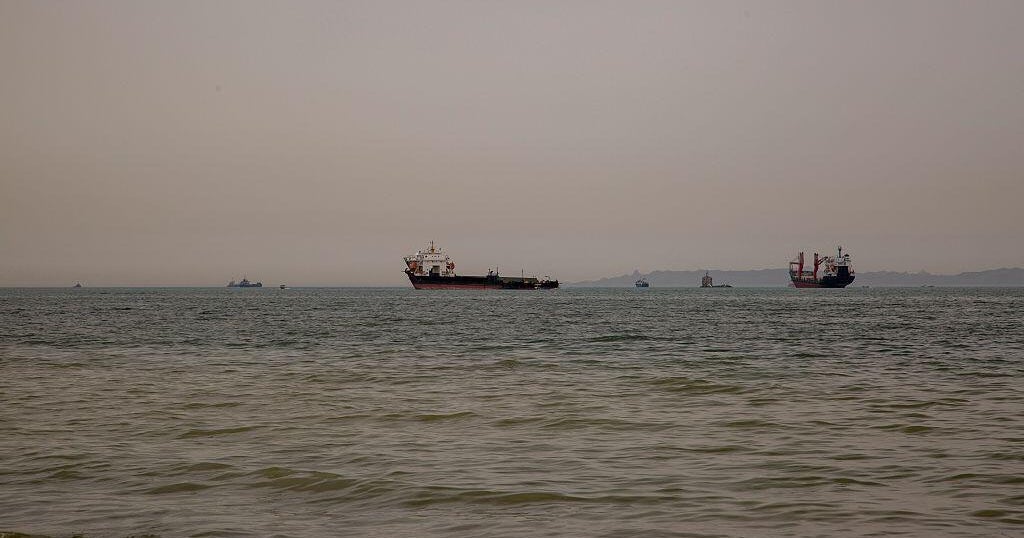
Chevron CEO Mike Wirth said in a Face the Nation interview that commercial ships will likely require U.S. Navy escorts when the Strait of Hormuz reopens to ensure the safety of crew and cargo. The comment came amid an intensified standoff: Iran has threatened the waterway while a U.S. blockade on Iranian ports has effectively closed it, and several recent maritime incidents have occurred. Wirth said any decision to send Chevron ships through the strait would be made in collaboration with the U.S. Navy and other military partners, and that early transits would likely include naval escorts due to risks such as mines and threats originating from land. The article also notes that President Trump has sent mixed public signals about securing the waterway, saying minesweepers were clearing the strait and directing the Navy to "shoot and kill" Iranian boats placing mines. The piece reports that roughly one-fifth of the world’s oil passes through the Strait of Hormuz.
Biblical Reflection
From a Christian perspective, this report highlights tensions between legitimate responsibilities to protect life and property and the serious risks of militarized escalation. Chevron’s emphasis on ensuring the safety of crew and cargo demonstrates prudential stewardship—protecting human life and resources—which Scripture supports (wise stewardship and care for neighbors). At the same time, rhetoric that emphasizes force (for example, commands to "shoot and kill") can harden public attitudes and narrow attention away from diplomatic, humanitarian, and de-escalatory options. The article largely presents statements from U.S. and corporate leaders; it does not explore Iranian motives or diplomatic avenues, which can create a one-sided framing that privileges security-first responses. Christians should note two tensions: the moral duty to defend innocent life and the biblical call to pursue peace and reconciliation. We should evaluate policy and rhetoric by asking whether actions are measured, aimed at minimizing harm, and coupled with sincere efforts at negotiation and protection of civilians. Finally, any appetite for escalatory language or imagery should be tested against the call to be peacemakers, to seek justice without vengeance, and to value human life beyond strategic or economic calculations.
Scripture in context
This outlook does not yet include contextual Scripture citations. Do not treat a general biblical theme as an exegetical conclusion.
Faithful Response
No prescribed response is offered. Consider the reflection prompts below in your own church context.
Reflection and Discussion
- 1Whose perspectives are centered in this report, and whose voices or motives are absent or downplayed?
- 2Does the framing favor immediate security measures over diplomatic or non-military solutions, and what spiritual assumptions underlie that preference?
- 3How should Christians weigh prudential measures to protect life (like naval escorts) against the biblical call to actively pursue peace?
Sources
Reporting links are evidence inputs; Sanctuary News' biblical reflection is commentary.
This outlook currently relies on fewer than two linked sources. Broaden verification before teaching from it.
- 1.Original reportprimary