News Summary
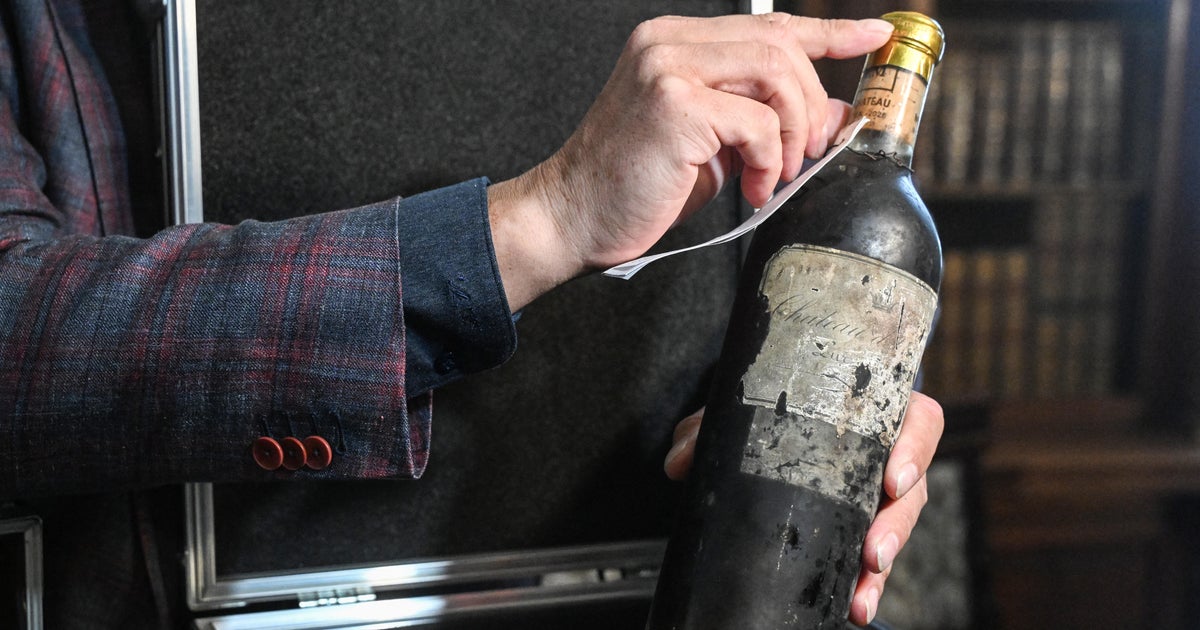
A collection of 136 bottles of wine and cognac, once owned by the Beaufort-Spontin family, was discovered hidden beneath the floorboards of the chapel at Becov nad Teplou castle in Czechoslovakia in the 1980s. The Reliquary of St. Maurus found nearby was taken for restoration and later returned to Becov in 2002; the wines remained in place. In 1984 the family requested help from an American businessman to recover the bottles, a move that led authorities to the hidden collection. Around a decade ago a focused rescue and conservation effort on the wines began. Chateau d'Yquem undertook conservation work on eight bottles from its estate dated 1892 and 1896: small samples were taste-tested and laboratory analysis confirmed authenticity. The winery replaced corks and fitted capsules, and because oxygen had already affected some bottles they re‑bottled contents; five original bottles were returned to Becov. The Czech National Heritage Institute has estimated the full collection’s auction value at about $5 million, though no sale is planned. Becov plans an exhibition of the bottles (including other historic sherry and port) and has launched fundraising to support further analysis and reconditioning. The story was reported alongside mention of a separate Georgian government discovery of thousands of historic bottles.
Biblical Reflection
The report is a straightforward account of artifact recovery and conservation, emphasizing historical value and the technical care taken by conservators. It largely avoids sensationalism, though it foregrounds rarity and monetary estimates that can encourage commodification. From a Christian perspective, this story raises questions about memory, stewardship, and how we treat objects that carry both beauty and difficult histories. The wine itself is described as a 'liquid memory'—a useful phrase reminding us that material things can preserve moments and craft, but they do not erase the moral complexities tied to their owners or provenance. Christians should welcome careful preservation and public exhibition when done transparently and with educational context, so history is remembered honestly rather than romanticized. We should also be wary of allowing wealth, nostalgia, or spectacle to crowd out truth-telling about the past. The church’s calling here is to model humility, truth, and charitable stewardship: support the conservation of cultural heritage while insisting that exhibits include fuller historical context and avoid turning painful histories into mere luxury narratives.
Scripture in context
This outlook does not yet include contextual Scripture citations. Do not treat a general biblical theme as an exegetical conclusion.
Faithful Response
No prescribed response is offered. Consider the reflection prompts below in your own church context.
Reflection and Discussion
- 1Which parts of this collection’s story are being highlighted (rarity, taste, value) and which are being downplayed (the family’s wartime history, questions of ownership or restitution)?
- 2Does presenting these bottles primarily as rare luxury items risk obscuring ethical or historical questions tied to their provenance?
- 3How can museums and stewards balance honoring cultural craftsmanship with teaching honest lessons about the past?
Sources
Reporting links are evidence inputs; Sanctuary News' biblical reflection is commentary.
This outlook currently relies on fewer than two linked sources. Broaden verification before teaching from it.
- 1.Original reportprimary