News Summary
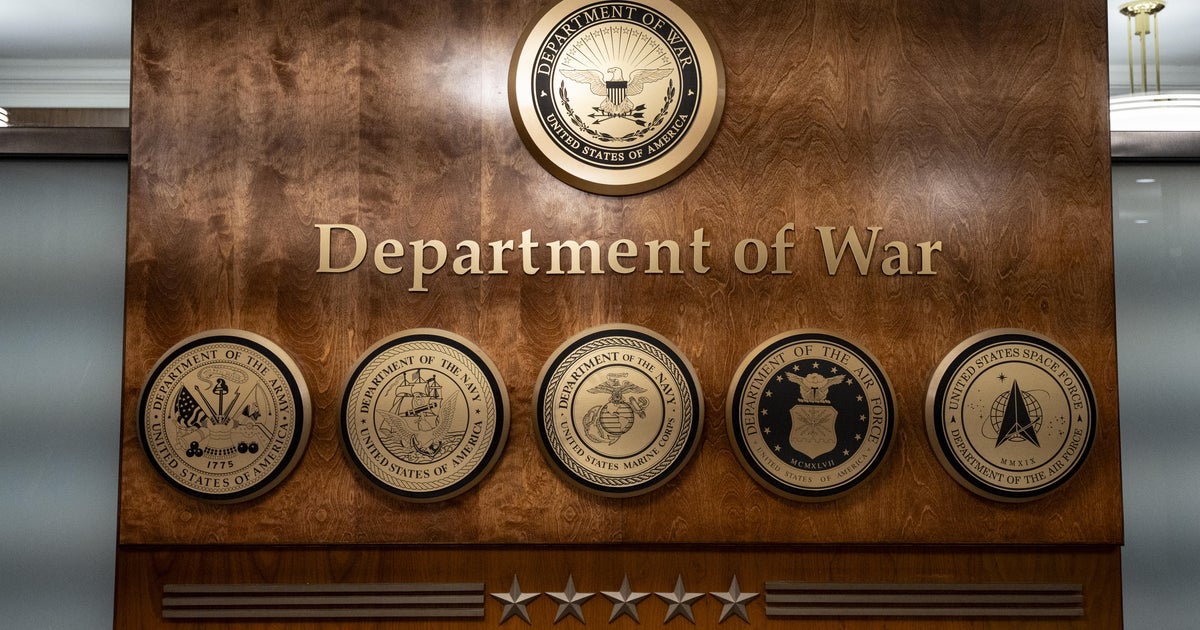
The Trump administration has initiated a process to rename the Department of Defense to the Department of War, a change that could cost taxpayers between $10 million and $125 million according to the Congressional Budget Office (CBO). The final cost depends on how extensively and rapidly the change is implemented, with broader changes (including renaming all defense-related agencies) being far more expensive. The move has sparked political debate, with President Trump and supporters arguing that the new name better reflects the department's mission and heritage, while critics like Sen. Jeff Merkley call it a wasteful, performative distraction from more pressing issues. The Department of War was the name from the 1790s to the 1940s, before being changed to the Department of Defense after World War II to reflect a broader mission. The military's overall budget dwarfs the potential cost, but questions remain about the necessity and symbolism of the renaming.
Biblical Reflection
From a biblical perspective, this article raises important questions about stewardship, priorities, and the posture of a nation. Scripture calls leaders to be wise stewards of resources (Luke 16:10-12) and to seek peace (Matthew 5:9; Romans 12:18). The focus on rebranding with an aggressive, martial identity may reflect a worldly mindset that values dominance and power over peacemaking and reconciliation. While defense is necessary in a fallen world, Christians are reminded that true strength lies not in military might but in pursuing justice, mercy, and humility before God (Micah 6:8). The significant expenditure on a name change—especially when basic needs and social concerns persist—also challenges believers to question whether this reflects God's priorities for leadership and care for the vulnerable. Are national resources being used to build up or to posture? Is the language we use shaping our hearts towards peace or war? Ultimately, Christians are called to pray for leaders, seek peace, and advocate for wise, compassionate stewardship.
Scripture in context
This outlook does not yet include contextual Scripture citations. Do not treat a general biblical theme as an exegetical conclusion.
Faithful Response
No prescribed response is offered. Consider the reflection prompts below in your own church context.
Reflection and Discussion
- 1Does the language we use as a nation align with biblical values of peace and stewardship?
- 2How should Christians respond when public resources are spent on symbolic changes rather than meeting essential needs?
- 3What does it mean to be a peacemaker in a world that often celebrates strength and aggression?
Sources
Reporting links are evidence inputs; Sanctuary News' biblical reflection is commentary.
This outlook currently relies on fewer than two linked sources. Broaden verification before teaching from it.
- 1.Original reportprimary