News Summary
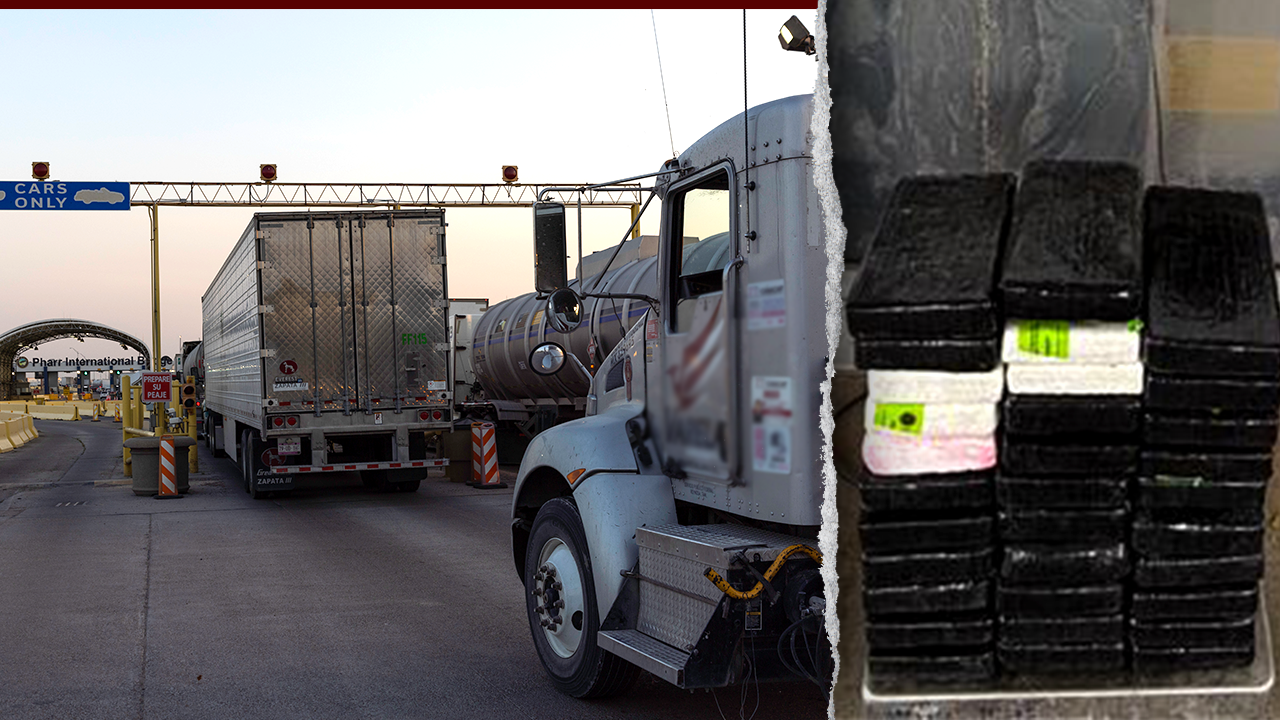
On April 15, U.S. Customs and Border Protection officers at the Pharr–Reynosa International Bridge cargo facility stopped an apparently empty commercial tractor-trailer arriving from Reynosa, Mexico. Using nonintrusive inspection equipment and a canine team, officers conducted a secondary inspection and a physical search that uncovered 32 packages of suspected cocaine concealed within the trailer floor. The packages had a combined weight of over 83 pounds and an estimated street value of $1,111,503. CBP seized the narcotics, tractor, and trailer. Homeland Security Investigations opened a criminal investigation into the seizure. The article quotes Acting CBP Deputy Commissioner Ron Vitiello and other DHS officials who credited screening technology, inspections experience, and the current administration’s border policies for the interdiction. The piece also cites DHS figures about nationwide drug seizures in March and references statements about border releases and security from Department of Homeland Security leaders.
Biblical Reflection
From a Christian perspective, the interdiction of a large drug shipment is a protection of vulnerable people and communities from substances that cause harm and addiction; upholding law and public safety aligns with biblical calls for justice. At the same time, readers should notice the article’s political framing: it links the seizure directly to specific administration policies and leadership, using declarative language like "most secure border" and "new normal." That framing can oversimplify complex causes of smuggling (organized crime networks, demand, corruption, economic factors) and elevate a political narrative over nuance. Christians should hold both truths together: endorse lawful efforts to prevent harm while remaining skeptical of claims that single policies alone explain complex trends. The story also invites a broader pastoral concern — interdiction addresses supply, but Scripture calls the church to care for those harmed by addiction and to seek restorative approaches for broken lives. Beware of a binary us-vs-them rhetoric; the gospel calls for justice, truth, and mercy simultaneously (see Micah 6:8).
Scripture in context
This outlook does not yet include contextual Scripture citations. Do not treat a general biblical theme as an exegetical conclusion.
Faithful Response
No prescribed response is offered. Consider the reflection prompts below in your own church context.
Reflection and Discussion
- 1How does the article’s emphasis on administration leadership shape your understanding of what caused the seizure, and what other factors (criminal networks, demand, corruption, economic drivers) might be missing from that framing?
- 2Does the coverage focus more on enforcement and deterrence than on the long-term needs of people harmed by drugs? How should Christians balance support for law enforcement with compassion and rehabilitation for addicts and vulnerable communities?
- 3What language or claims in the article signal political messaging rather than strictly evidentiary reporting, and how can you test those claims against broader data and sources?
Sources
Reporting links are evidence inputs; Sanctuary News' biblical reflection is commentary.
This outlook currently relies on fewer than two linked sources. Broaden verification before teaching from it.
- 1.Original reportprimary