News Summary
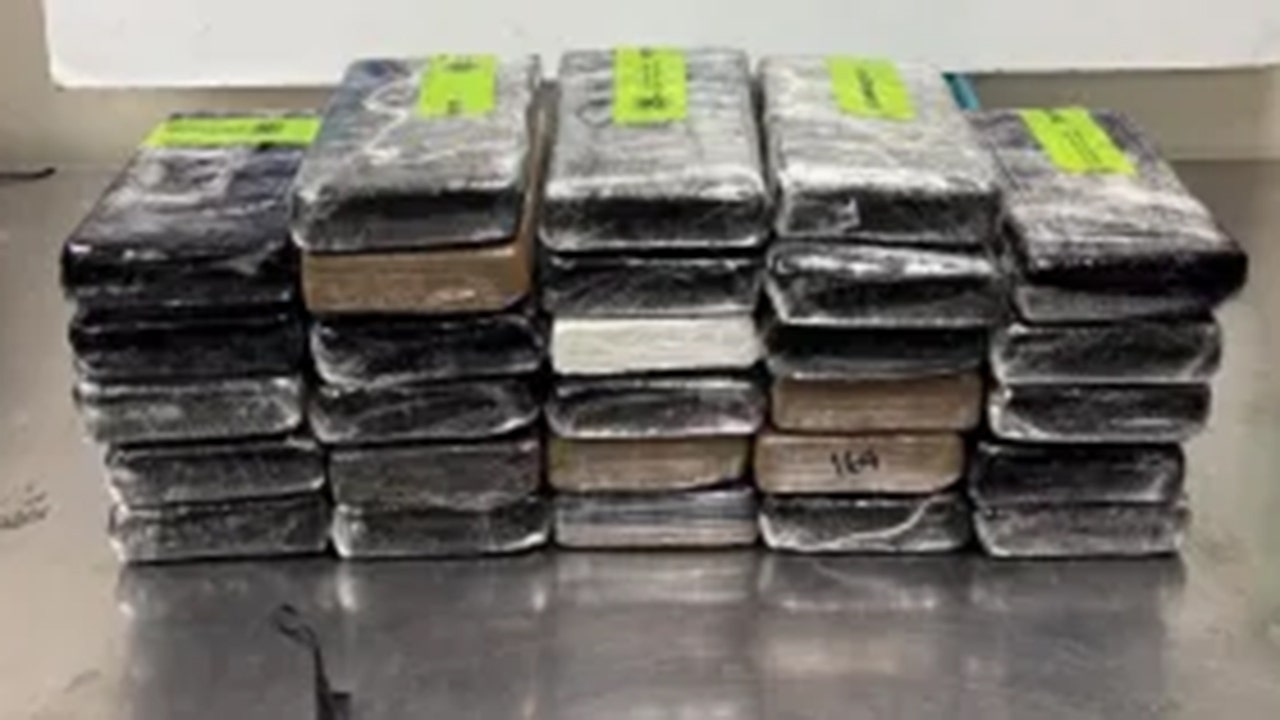
Customs and Border Protection agents at the Pharr International Bridge in Texas inspected a tractor-trailer carrying cucumbers and, after a canine alert and nonintrusive imaging scan, found 112 packages containing approximately 278.88 pounds of suspected cocaine. CBP reported the street value at $3,723,654 and seized the load. Port Director Carlos Rodriguez commented that the interception demonstrates continuous CBP scrutiny at ports of entry. The article places this seizure alongside other recent CBP interdictions, including a truckload of roses concealing over 515 pounds of cocaine, a separate seizure of 298 pounds of cocaine in a truck allegedly carrying carrots, and an interdiction of a vehicle carrying multiple weapons including an RPG and dozens of rifles and parts. The piece also notes a reported decline in border encounters from over 144,000 in December 2024 to about 10,000 in April 2025, and quotes CBP officials emphasizing ongoing vigilance against smuggling attempts.
Biblical Reflection
The report presents verifiable enforcement outcomes: a significant drug seizure and related interdictions that point to continued smuggling activity at U.S. ports of entry. As a pastoral reader, recognize two truths at once: law enforcement is carrying out its duties to protect communities from illicit drugs and weapons, and the story is framed to highlight enforcement successes without exploring root causes — such as demand for drugs, economic drivers in source countries, or criminal networks' broader tactics. The article’s sourcing and context (agency statements and selective statistics) lean toward a law-and-order perspective, which is valid for reporting seizures but can understate humanitarian and systemic dimensions. From a Christian wisdom standpoint, justice and public safety are important, but so are mercy and neighbor-love toward those harmed by addiction and those economically pressured into illegal trade. The faithful response includes supporting honest, effective policing while seeking long-term, compassionate solutions that address supply, demand, and recovery for affected communities. Be cautious of implicit political framing that attributes border trends to single policies or actors without fuller evidence.
Scripture in context
This outlook does not yet include contextual Scripture citations. Do not treat a general biblical theme as an exegetical conclusion.
Faithful Response
No prescribed response is offered. Consider the reflection prompts below in your own church context.
Reflection and Discussion
- 1Whose perspectives are missing in this enforcement-focused account — victims of addiction, communities in producing countries, or people affected by border policies?
- 2Does emphasizing interdiction alone help us think clearly about the long-term solutions needed to reduce drug harm and trafficking?
- 3How might the article’s selective statistics and agency quotes shape public opinion about border policy without addressing deeper causes?
Sources
Reporting links are evidence inputs; Sanctuary News' biblical reflection is commentary.
This outlook currently relies on fewer than two linked sources. Broaden verification before teaching from it.
- 1.Original reportprimary