News Summary
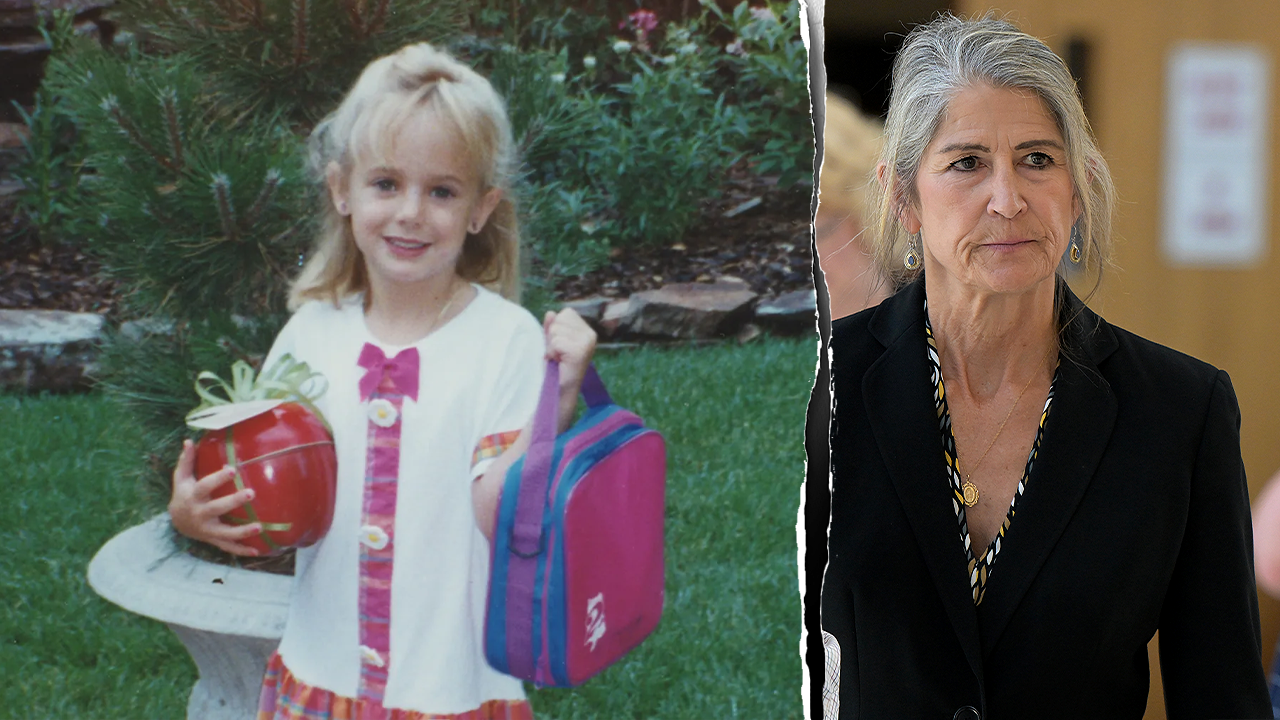
Former Colorado Bureau of Investigation (CBI) forensic analyst Yvonne “Missy” Woods pleaded guilty on June 23, 2026 to four felony counts — including cybercrime, first-degree perjury, attempting to influence a public servant, and forgery — for conduct prosecutors say occurred between 2008 and 2023 involving alteration and deletion of DNA quality-control data; under a plea agreement she faces a mandatory prison term of eight to 16 years and is scheduled for sentencing Sept. 8. Woods worked at CBI from 1994 to 2023. In response to the scandal, Boulder Police and the Boulder County District Attorney’s Office said their reviews found Woods’ misconduct did not affect the JonBenét Ramsey investigation. Authorities say the homicide probe remains active, investigators recently met with the Ramsey family, and the DA’s office is reviewing evidence and exploring advanced DNA testing methods, including work by independent outside laboratories. John Ramsey told reporters he believes independent testing done in 1997 found unidentified male DNA on evidence and that newer techniques — he specifically cited forensic genetic genealogy (FGG) — could identify the killer if investigators use specialized private labs. JonBenét Ramsey was found beaten and strangled in her family’s Boulder home on Dec. 26, 1996; the case remains unsolved and no one has been charged.
Biblical Reflection
This story sits at the intersection of a family's long grief, the public's desire for closure, and the systemic need for scientific integrity. The CBI analyst's admitted misconduct rightly raises broader concerns about accountability and transparency in forensic work — institutions entrusted with evidence must maintain rigorous standards because lives and liberty depend on them. At the same time, multiple official reviews so far say the Ramsey investigation itself was not compromised; investigators are pursuing updated, validated testing and considering outside labs, which is appropriate prudence rather than reflexive trust in any single claim. The article centers John Ramsey’s appeals and the hope that new DNA methods will produce answers, a perspective shaped by understandable desperation for justice. Readers should note potential bias toward the family's viewpoint and the tendency of media to emphasize renewed hope when new technology appears relevant. Christian discernment calls for both compassion for the bereaved and a sober insistence on truth, due process, and institutional reform: advocate for rigorous, validated forensic science, demand transparency where possible, resist premature conclusions, and treat all persons with dignity even amid the search for justice.
Scripture in context
This outlook does not yet include contextual Scripture citations. Do not treat a general biblical theme as an exegetical conclusion.
Faithful Response
No prescribed response is offered. Consider the reflection prompts below in your own church context.
Reflection and Discussion
- 1Are we equating technological possibility with certainty, and how should that shape our expectations for forensic breakthroughs?
- 2What systems of oversight and transparency are needed so forensic science serves justice rather than undermines it?
- 3How does our sympathy for victims and families interact with the need to protect due process and avoid rushing conclusions?
Sources
Reporting links are evidence inputs; Sanctuary News' biblical reflection is commentary.
This outlook currently relies on fewer than two linked sources. Broaden verification before teaching from it.
- 1.Original reportprimary