News Summary
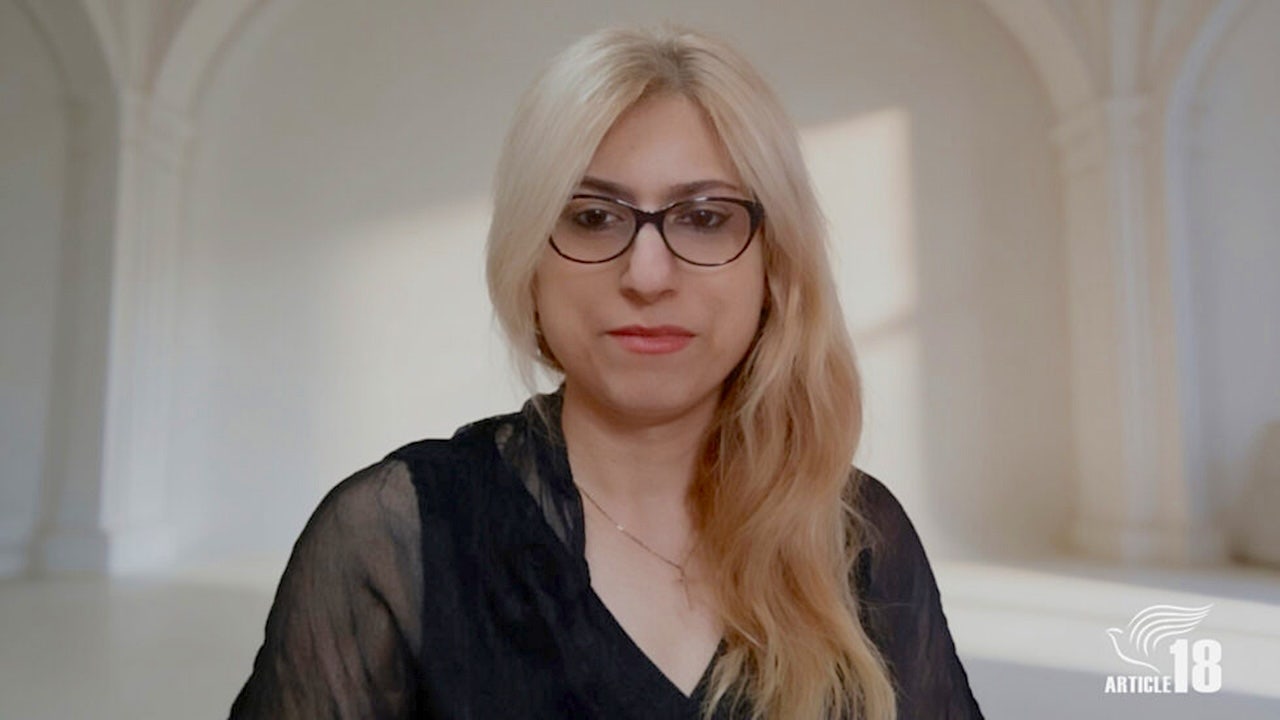
The article reports that Ghazal Marzban, a 42‑year‑old Catholic convert, is on a hunger strike while held in Evin Prison in Tehran after being sentenced to nearly ten years for practicing Christianity, according to Human Rights Activists News Agency and Article 18. Iranian and international watchdogs cited in the article — including Article 18, Hengaw, Open Doors and others — say arrests of Christians increased from 139 in 2024 to 254 in 2025, with a rise in long sentences and at least 11 people receiving sentences of over a decade. Reports also say Iranian authorities are moving to evict families from the St. Peter’s Church compound in Tehran, which houses historic Protestant congregations and family residences. The U.S. State Department condemned Iran’s treatment of religious minorities and called for the release of political and wrongfully detained prisoners. Commentators and experts quoted in the piece urged targeted sanctions on Iranian officials involved in religious‑freedom abuses and called for stronger international attention. The article links these human rights concerns to broader tensions between the U.S., Israel and Iran and cites claims (including a figure mentioned by President Trump) that large numbers of protesters were killed during earlier crackdowns — a claim presented as reported rather than independently verified by the article.
Biblical Reflection
The report aligns with long‑standing documentation from multiple NGOs that converts and minority faith communities face state pressure in the Islamic Republic. The central moral truth is straightforward: governments should not criminalize peaceful religious belief or use imprisonment, property seizure, or denial of medical care as tools of coercion. At the same time, readers should note the article’s political framing — connections to U.S. policy, references to military strikes, and reliance on advocacy groups — which can shape emphasis and selectively highlight certain claims (for example, large casualty figures cited by political figures). Christians are called to advocate for truth and the vulnerable without turning suffering into partisan ammunition. That means verifying claims where possible, supporting measured policies that protect lives and rights (such as targeted sanctions and diplomatic pressure), and responding with pastoral care and prayer for those harmed. Beware of narratives that simplify complex regional politics into binary good/evil terms; hold both a righteous indignation for injustice and a humility about policy consequences.
Scripture in context
This outlook does not yet include contextual Scripture citations. Do not treat a general biblical theme as an exegetical conclusion.
Faithful Response
No prescribed response is offered. Consider the reflection prompts below in your own church context.
Reflection and Discussion
- 1Which facts in this report are corroborated by multiple independent sources, and which rely primarily on advocacy or political statements?
- 2Is the suffering of persecuted believers being presented principally as a human rights issue or as a lever in wider geopolitical contestation?
- 3How can Christians both speak truth to power about injustice and resist allowing that truth to be co-opted for partisan ends?
Sources
Reporting links are evidence inputs; Sanctuary News' biblical reflection is commentary.
This outlook currently relies on fewer than two linked sources. Broaden verification before teaching from it.
- 1.Original reportprimary