News Summary
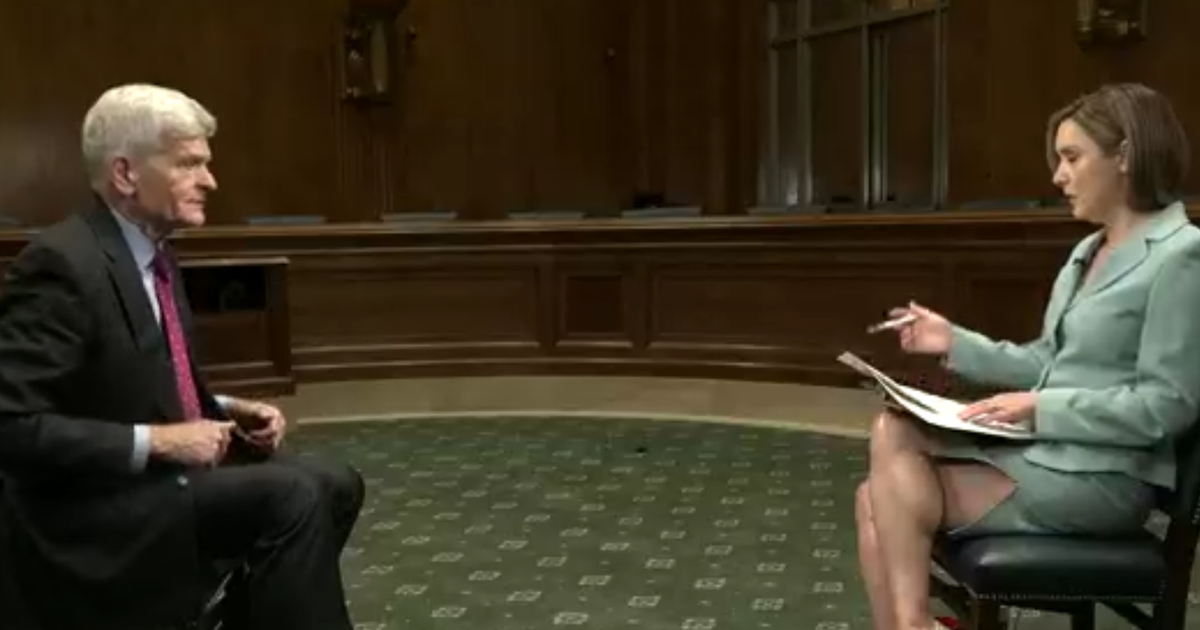
CBS News published the full transcript of the June 28, 2026 Face the Nation broadcast hosted by Margaret Brennan. The program featured extended interviews with Republican Senator Bill Cassidy and Democratic Senator Tim Kaine and segments on Supreme Court rulings. Key factual points: - The U.S. is four months into a war with Iran; recent exchanges included Iranian attacks on Gulf allies in Bahrain and Kuwait and U.S. strikes on Iranian missile sites and other targets. - Senator Cassidy described a heated exchange with President Trump on Capitol Hill over congressional oversight of the war; Cassidy said he initially voted against a War Powers measure but later backed a second measure after receiving a private briefing. Cassidy criticized secrecy around negotiations, called the intervention a major foreign policy mistake, cited costs (about $29 billion) and U.S. casualties (13 dead), and urged congressional involvement if an agreement resembles a treaty. - Cassidy discussed domestic priorities: health affordability proposals (including direct cash to families for out-of-pocket costs), Social Security solvency work, and concerns about HHS leadership—particularly Secretary Robert F. Kennedy—over vaccine skepticism and broken promises. He also criticized a currently acting director of national intelligence for alleged misuse of personal data while at HUD. - Senator Kaine, reporting from Brussels, raised alarms about the recent forced retirements of senior Army officers by Secretary of Defense Hegseth, warning that removing candid military advice risks miscalculation; he defended NATO coordination and explained his vote against a large defense spending increase because of timing and lack of fiscal guardrails amid what he called an unnecessary war. - The broadcast covered public health concerns: falling vaccination rates, recent measles outbreaks, numerous acting leaders across HHS/CDC/FDA/NIH, and debate over vaccine policy and public messaging. - Chief legal correspondent Jan Crawford summarized recent Supreme Court decisions limiting judicial review of the president’s TPS determinations and upholding restrictions tied to asylum “metering,” noting these rulings could place many temporary protected status holders at risk of deportation and that the outcomes turn on statutory text. - Other topics touched on included election-related legislation (SAVE Act and voter ID), a proposed DOJ fund and immunity language, primary politics (MAHA and Trump’s endorsements), and broader concerns about institutional stability and accountability.
Biblical Reflection
Christian perspective: This broadcast highlights two serious and overlapping responsibilities: the duty of government to protect neighbors and the duty of citizens and leaders to pursue truth and accountability. The conversations reveal real human costs—military casualties, displaced and vulnerable civilians, and public-health harms from declining vaccination rates. Christians should be cautious about easy loyalties to power. When leaders cloak decisions in secrecy (even for delicate diplomacy) or when political ends excuse broken promises, the biblical call to truth-telling and protection of the vulnerable is compromised. Similarly, rhetoric that dehumanizes groups (immigrants, other nations) undermines neighbor-love and the image-bearing dignity of all people. At the same time, Christlike responsibility demands prudence: there are legitimate reasons for some confidentiality in negotiations and for measured use of force, but those reasons do not remove the need for honest oversight, humility, and care for the innocents affected by policy. Regarding public health, the common good requires that leaders respect proven science while communicating compassionately with those who fear or distrust institutions. Lastly, the program’s focus on elite actors and procedural battles reminds Christians to seek the voices of those most affected—families of the fallen, refugees, patients, and local communities—rather than treating policy as merely partisan theatre. In short: insist on truth, protect the vulnerable, hold leaders accountable without yielding to partisan dehumanization, and pray for peace and wise stewardship of power.
Scripture in context
This outlook does not yet include contextual Scripture citations. Do not treat a general biblical theme as an exegetical conclusion.
Faithful Response
No prescribed response is offered. Consider the reflection prompts below in your own church context.
Reflection and Discussion
- 1When national security or diplomacy is cited for secrecy, what specific accountability measures should you expect from leaders to protect both the public interest and vulnerable people?
- 2How does partisan loyalty shape your willingness to demand truth and consequences when leaders break promises or spread misinformation about public health and justice?
- 3Whose voices are missing from this conversation (civilians affected by war, refugees, frontline health workers), and how would including them change our judgment about policy choices?
Sources
Reporting links are evidence inputs; Sanctuary News' biblical reflection is commentary.
This outlook currently relies on fewer than two linked sources. Broaden verification before teaching from it.
- 1.Original reportprimary