News Summary
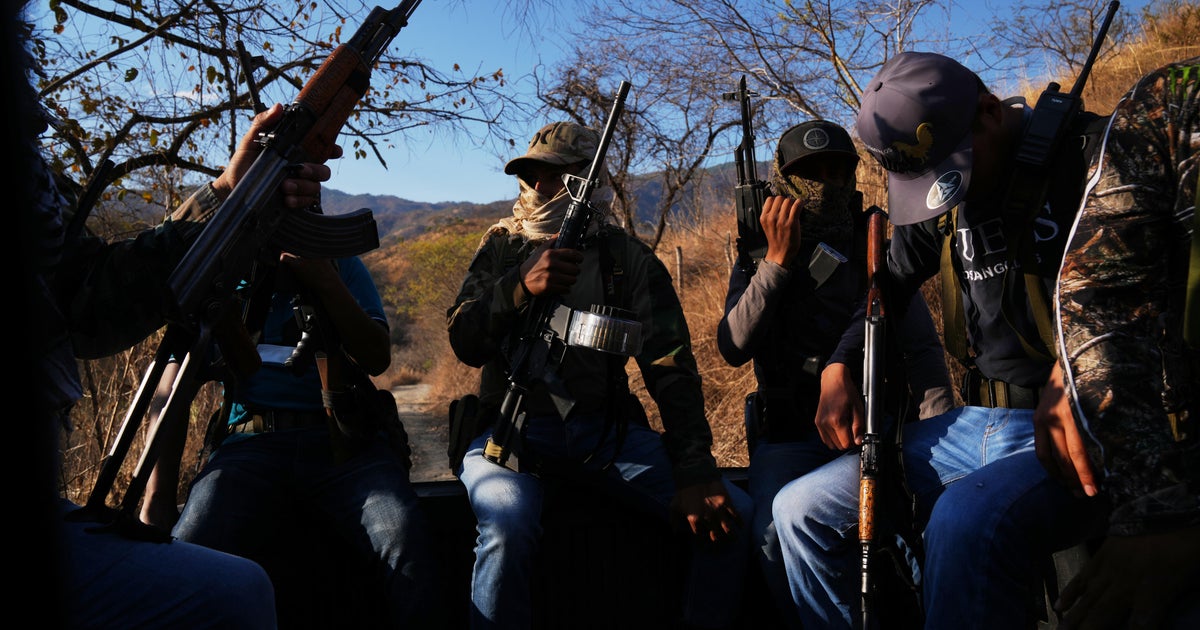
Early on July 9, 2026, residents of Guajes de Ayala in Guerrero reported drone-borne explosions, gunfire, and an attack by forces identified locally as members of the cartel La Nueva Familia Michoacana. Community members had warned state authorities in the weeks before the attack about cartel encroachment; after the incident locals livestreamed footage showing gunfire and smoke. Hundreds of residents have since fled, with many sheltering in abandoned buildings and churches. Local vigilante groups in the area — armed with weapons, grenades and drones and reportedly supported by rival criminal groups — engaged in fighting with the cartel. Mexican authorities initially denied the reported attacks after news inquiries but later said state security forces were moving to verify and secure the area. The violence occurred while Mexican security forces were heavily deployed to World Cup host cities (Mexico City, Guadalajara and Monterrey), a strategy critics say left other regions less protected. Separately, U.S. authorities have previously indicted leaders of La Nueva Familia Michoacana, offered rewards for their capture, and designated certain cartels as foreign terrorist organizations. Other violent incidents during the World Cup period were reported in Sinaloa, Veracruz and Chiapas.
Biblical Reflection
From a Christian perspective, this report highlights the failure of protection for vulnerable neighbors and the moral cost of choices that prioritize spectacle over people. The account contains competing claims — vivid testimony and video from residents versus initial denials by authorities — so Christians should seek truth without amplifying unverified sensationalism. The rise of vigilante self‑defense, armed by criminal networks, shows how lawlessness and fear push communities toward violent reprisals that often perpetuate cycles of harm. Scripture calls us to defend and care for the weak, pursue justice, and grieve with those who suffer; that means pressuring authorities for accountability and proper protection, supporting displaced families, and resisting narratives that dehumanize either victims or perpetrators. At the same time, Christians should avoid romanticizing armed self-help and instead advocate for lawful, compassionate solutions that restore safety and dignity. Practically, the story points to systemic failures — resource allocation, corruption, and cross‑border flows of weapons and money — that require both political remedies and sustained humanitarian care. Our response should combine truth-seeking, mercy for the afflicted, courageous advocacy for structural justice, and a refusal to be numbed by violence.
Scripture in context
This outlook does not yet include contextual Scripture citations. Do not treat a general biblical theme as an exegetical conclusion.
Faithful Response
No prescribed response is offered. Consider the reflection prompts below in your own church context.
Reflection and Discussion
- 1Whose safety becomes invisible when public resources are concentrated on high-profile events, and how should Christians weigh public spectacle against everyday protection of neighbors?
- 2How does fear reshape a community’s moral choices when institutions fail — and what responsibilities do outside churches and organizations have to support lawful, nonviolent relief and advocacy?
- 3What evidence should we demand before repeating claims of violence, and how can Christians balance urgency to help with careful truth-seeking?
Sources
Reporting links are evidence inputs; Sanctuary News' biblical reflection is commentary.
This outlook currently relies on fewer than two linked sources. Broaden verification before teaching from it.
- 1.Original reportprimary